Game Review, 2012: VMI

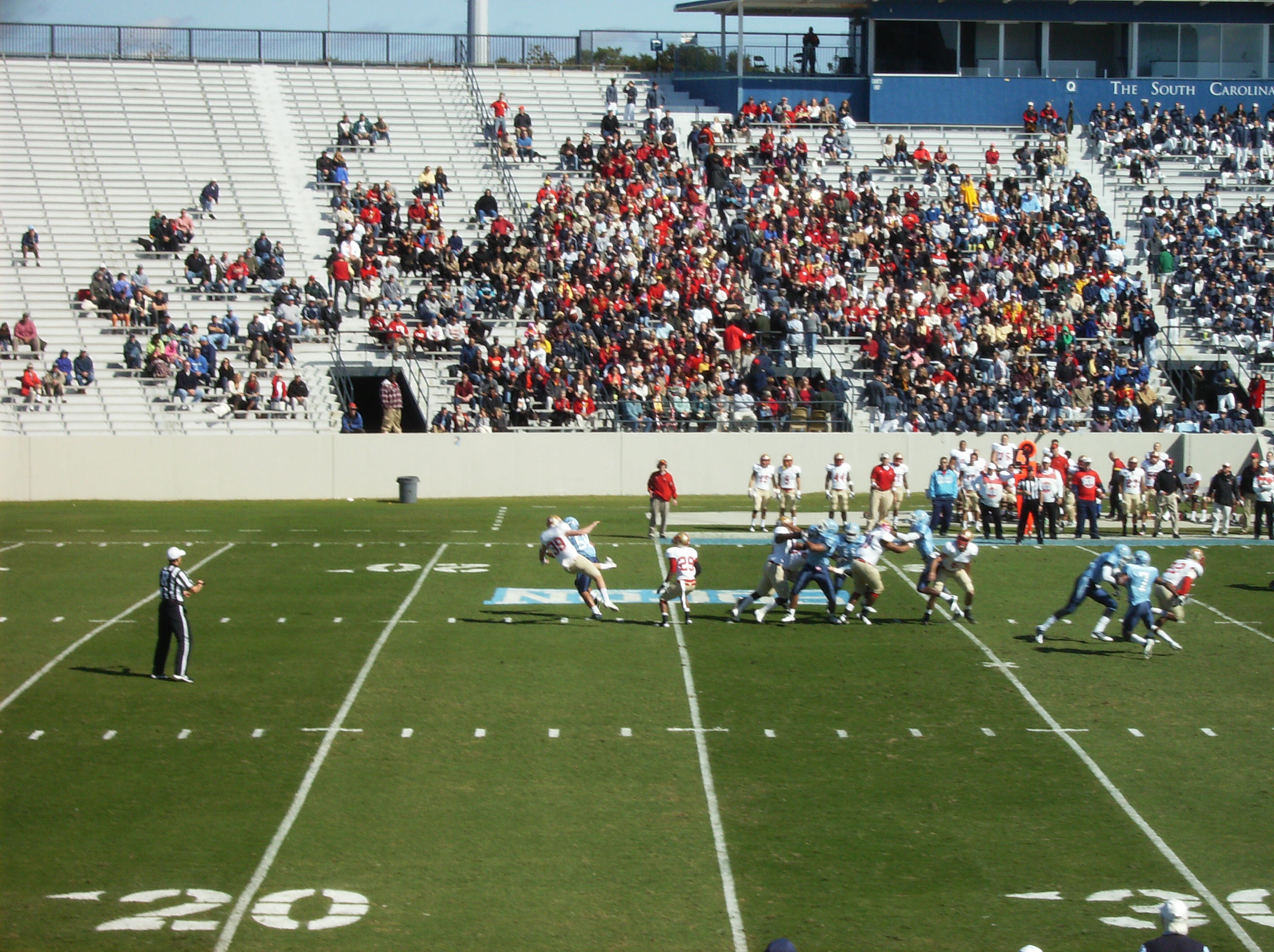
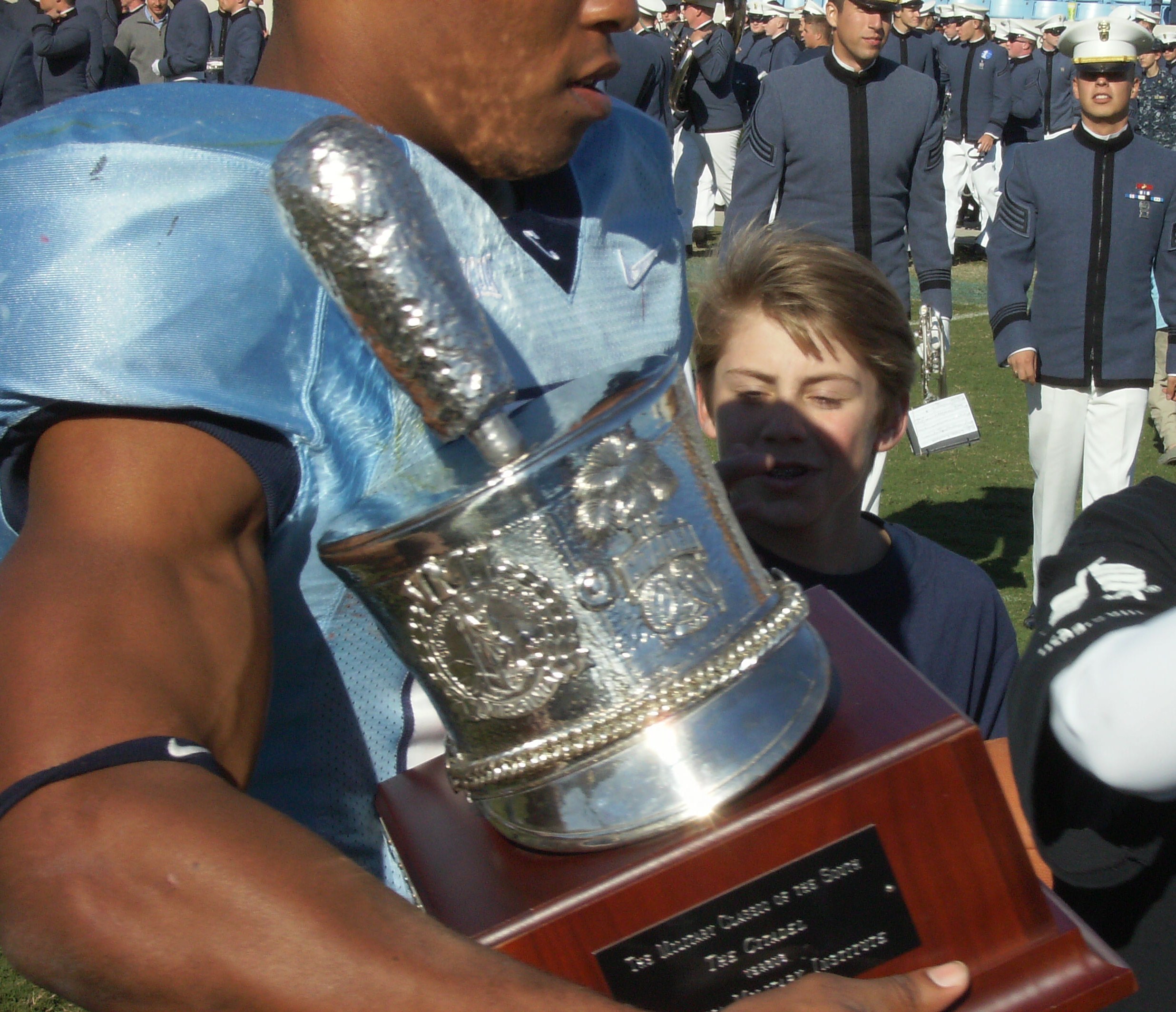
The Citadel 27, VMI 24.

Links of interest:

Game story, The Roanoke Times

Game story, The Post and Courier 

Note: both articles above written by Randy King of The Roanoke Times

The Citadel’s release

VMI’s release

Highlights from the game (video)

VMI postgame press conference with Sparky Woods and two players (video)

Box score

Uh, phew…

For the second week in a row, The Citadel built up a big lead only to see its opponent mount a furious comeback. For the second week in a row, the Bulldogs held on.

I don’t think anyone was truly surprised when Elon finally began scoring points in the second half of last week’s game. However, VMI should have been put away midway through the third quarter. The fact that the Keydets were one drive away from a miraculous victory is worrisome.

After Derek Douglas rumbled into the end zone with a fumble (following a sack by Mark Thomas), it was hard to imagine VMI doing much of anything in response. Not that anyone expected the Keydets to quit, but as it happens the Bulldogs helped VMI make its move.

Special teams were less than special. The Citadel should have had a sizable edge in this department, given the performances of the two teams’ kicking units during the season, but that wasn’t the case. The kickoff coverage for the Bulldogs was unacceptable, and there was also a blocked field goal attempt.

Sparky Woods said after the game that The Citadel “played better in the kicking game” than VMI, but I can’t say that I agree with him.

Then there were the penalties. I was concerned about the tendency of VMI’s opponents to commit more than their typical number of infractions, but the Bulldogs outdid themselves in a negative way, committing nine fouls for 89 yards. Seven of those penalties (and 79 of the 89 total yards) came in the second half and helped enable the Keydet comeback.

I wasn’t all that surprised VMI had some success defensively against The Citadel. I thought going into the game that the Keydet D was a bit underrated, and basically hamstrung by an ineffective offense.

However, the Bulldogs’ defense was disappointing, particularly in the second half. VMI does not have a big-play offense, but The Citadel allowed two huge pass plays (81 and 38 yards) to the Keydets that set up touchdowns.

The fumble return by Douglas was critical, and Sparky Woods has to be very tired of guys named Douglas making plays for The Citadel against his teams. However, don’t overlook Thomas Warren’s second made field goal, which pushed the margin to ten points with less than five minutes to play. The Bulldogs needed those three points.

That field goal came after The Citadel started on its own 49, a short field gifted to the Bulldogs by a “pop-up” kick that went awry. Woods said that it wasn’t really an onside kick attempt, but a placement-type kick that just wasn’t properly executed.

I questioned the play-calling (or simply the act of calling plays) at the end of the Western Carolina game. I’m going to do it again…

Aaron Miller picked up a first down for The Citadel with 2:42 remaining in the game. VMI was by then out of timeouts.

At that point, the Bulldogs could have lined up in “Victory Formation” and kneeled down three times. The clock would have run out, and The Citadel would have the victory.

However, three running plays were called instead, including two handoffs. I suppose the first down play (on which Miller kept for a four-yard loss) could be justified as ensuring the Bulldogs could run out the clock. It would have been close, though I think a run wasn’t necessary.

However, on second and third down it was clear that a kneeldown would do the trick. By that third down play, I was — well, I was upset, to be honest. I could just visualize a Joe Pisarcik-Herm Edwards situation that would be fondly remembered by Keydet fans for decades.

That didn’t happen, but it shouldn’t have been left to chance. It was the second time this season The Citadel had not properly managed the end of the game. If that keeps up, the Bulldogs will eventually get burned.

I’m not trying to be negative. After all, the Bulldogs clinched a winning season, which was the primary goal going into the 2012 campaign. The Citadel remains alive for a playoff berth, but realistically that isn’t going to happen. That’s okay, though. Beating Furman to finish 7-4 would be more than good enough for me.

It was nice to hear VMI’s band play on a regular basis during the game, as opposed to the game at Wofford (which has no band) and the games at Johnson Hagood Stadium (where the band is only occasionally allowed to play). However, someone needs to tell the band when to stop. For one thing, I think a VMI false start penalty in the second quarter could be largely attributed to the band playing as the Keydets were about to snap the ball.

I enjoyed the day in Lexington. The weather was great, and the gameday atmosphere was solid. Plenty of blue-clad supporters were on hand to cheer on the Bulldogs, coming close to filling the (admittedly small) visitors’ section of Foster Stadium.

The home side was mostly full too, a tribute to a very loyal VMI fan base. Some of those same fans traveled to Charleston for last year’s game between the two teams. They were part of arguably the most impressive (on a per capita basis, at least) group of visiting supporters, especially striking given VMI’s way-too-long stretch of gridiron futility.

Those fans deserve a winning season sooner than later, and I hope they get one. Of course, I don’t want it to come at The Citadel’s expense. I prefer that the coveted Silver Shako remain in Charleston, where it belongs.

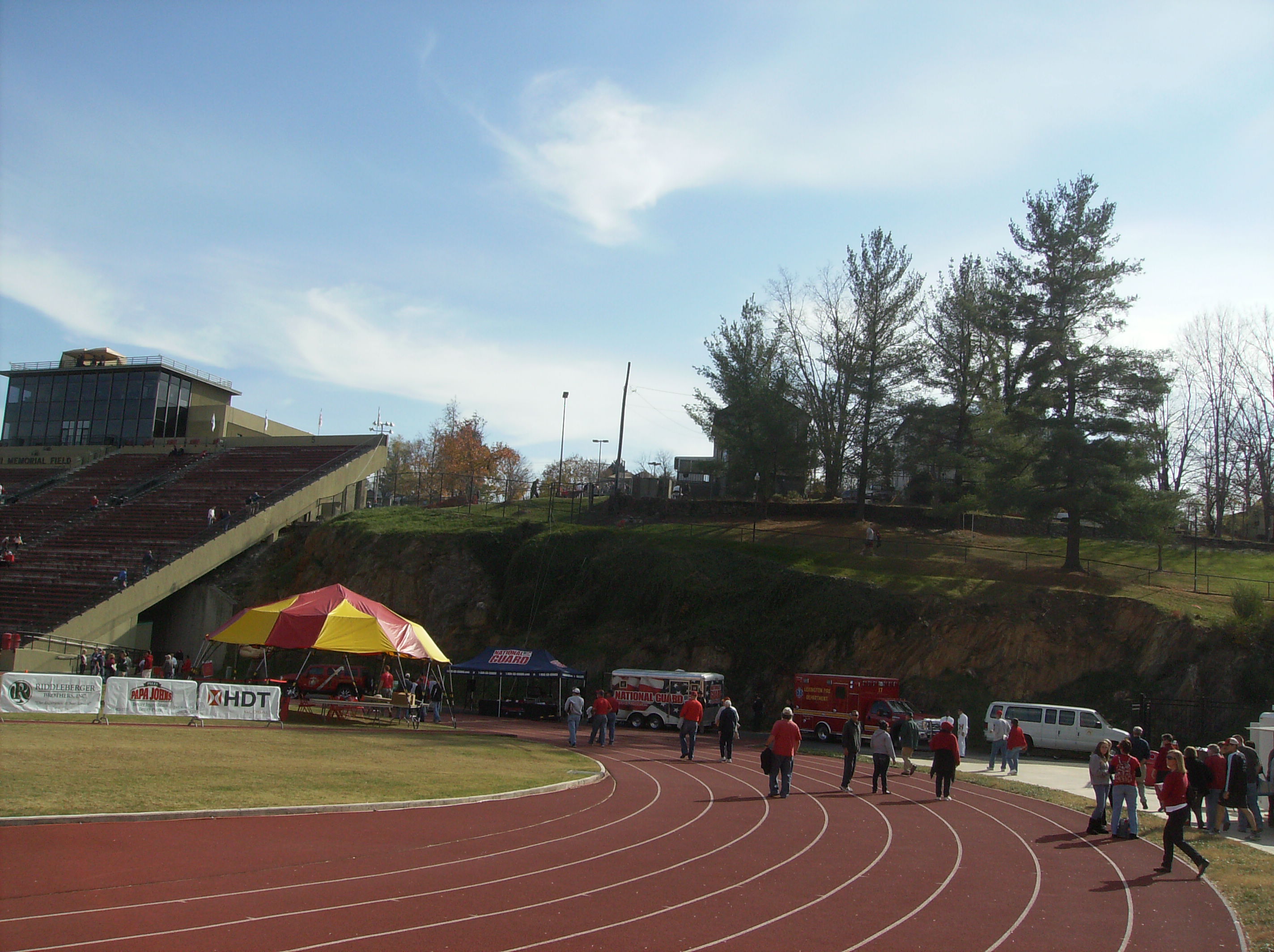
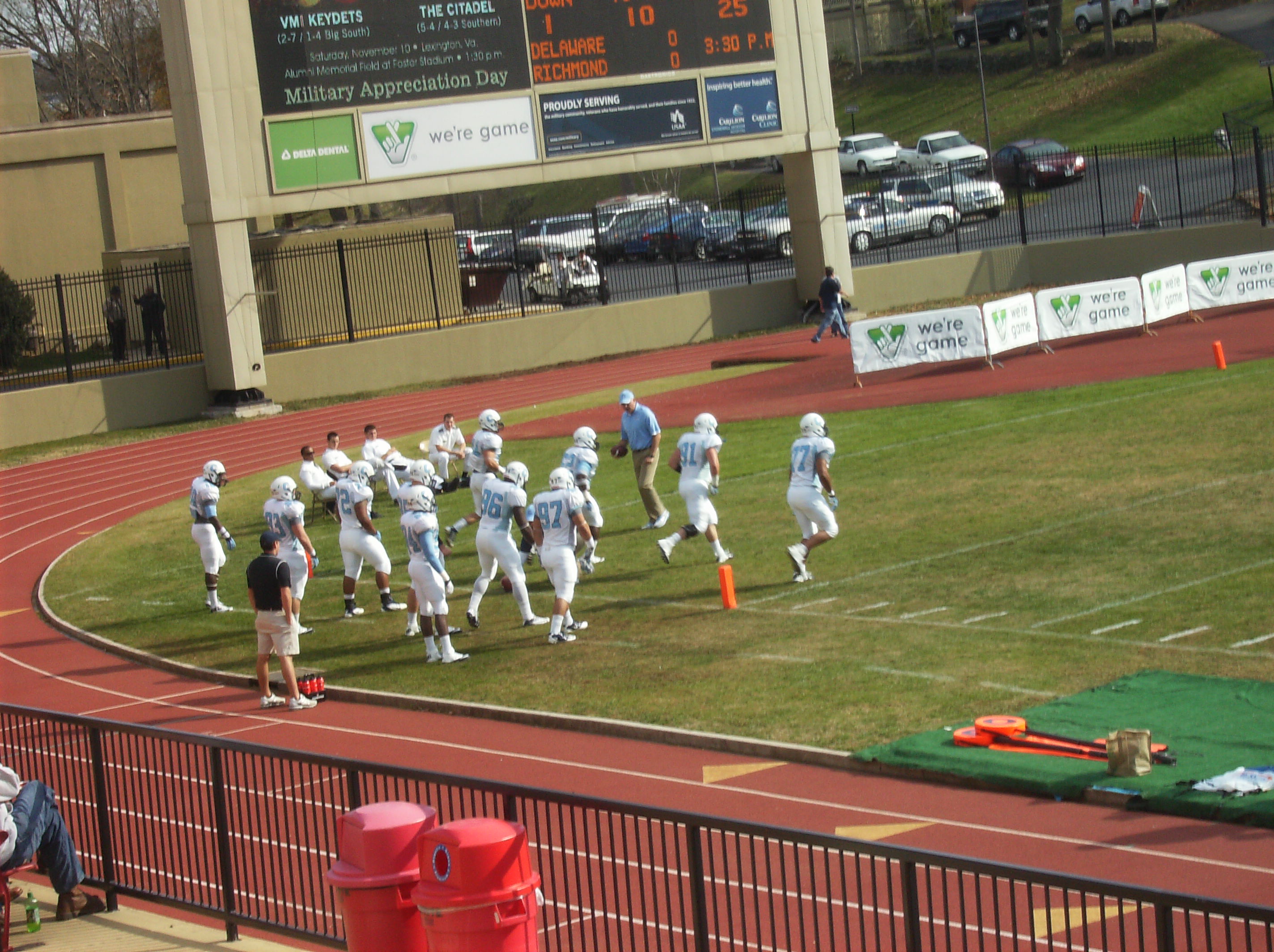
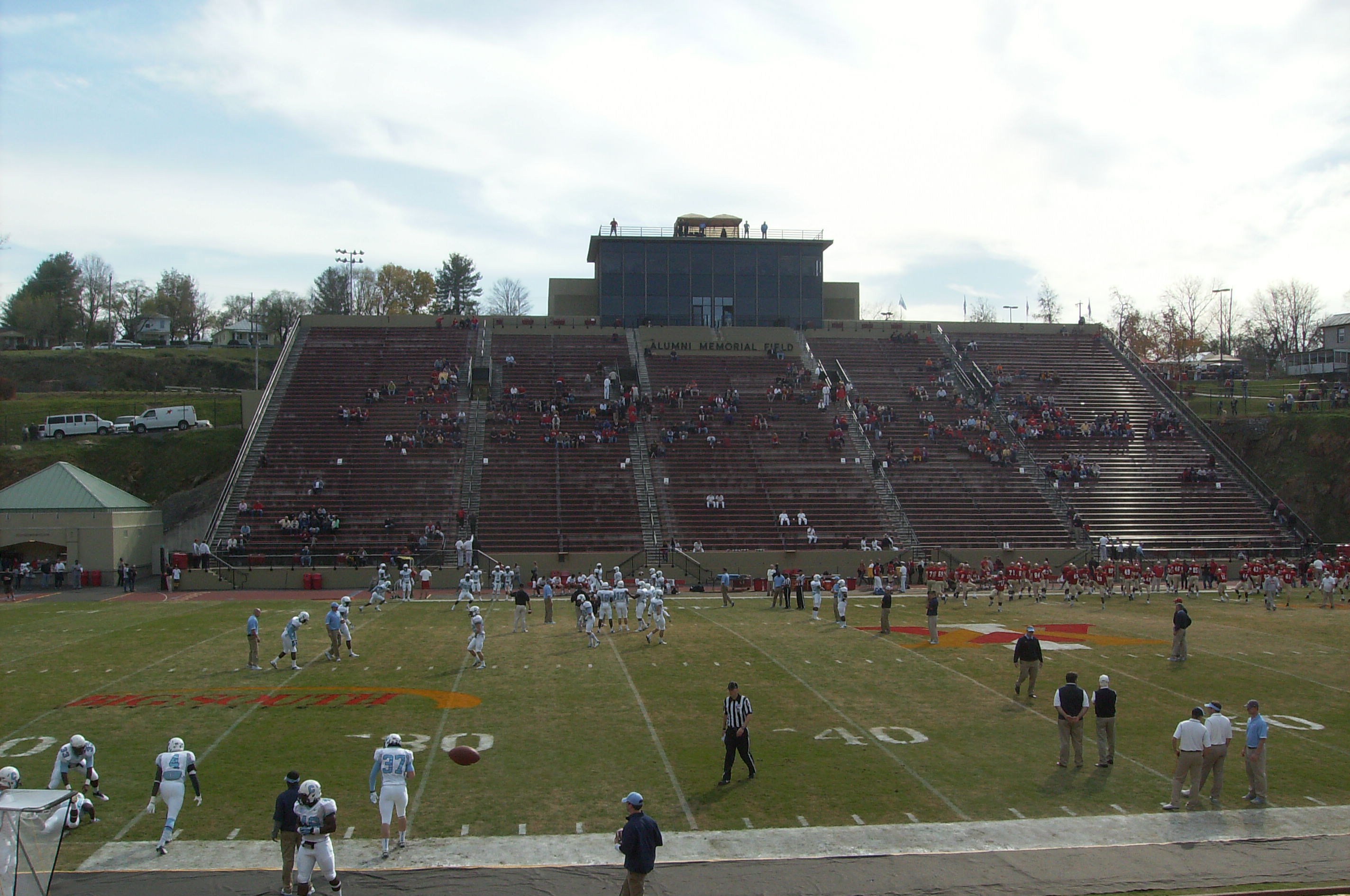
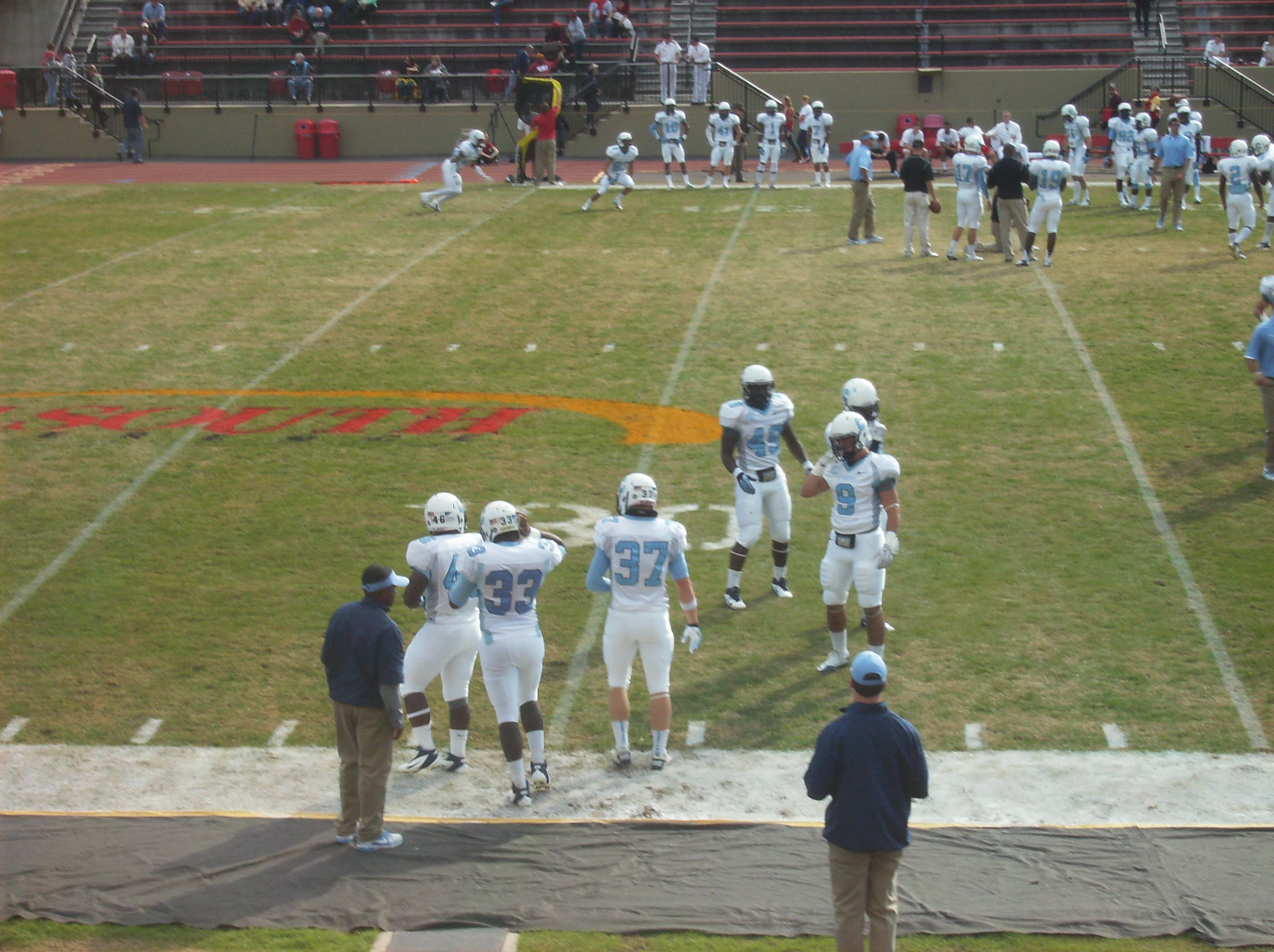
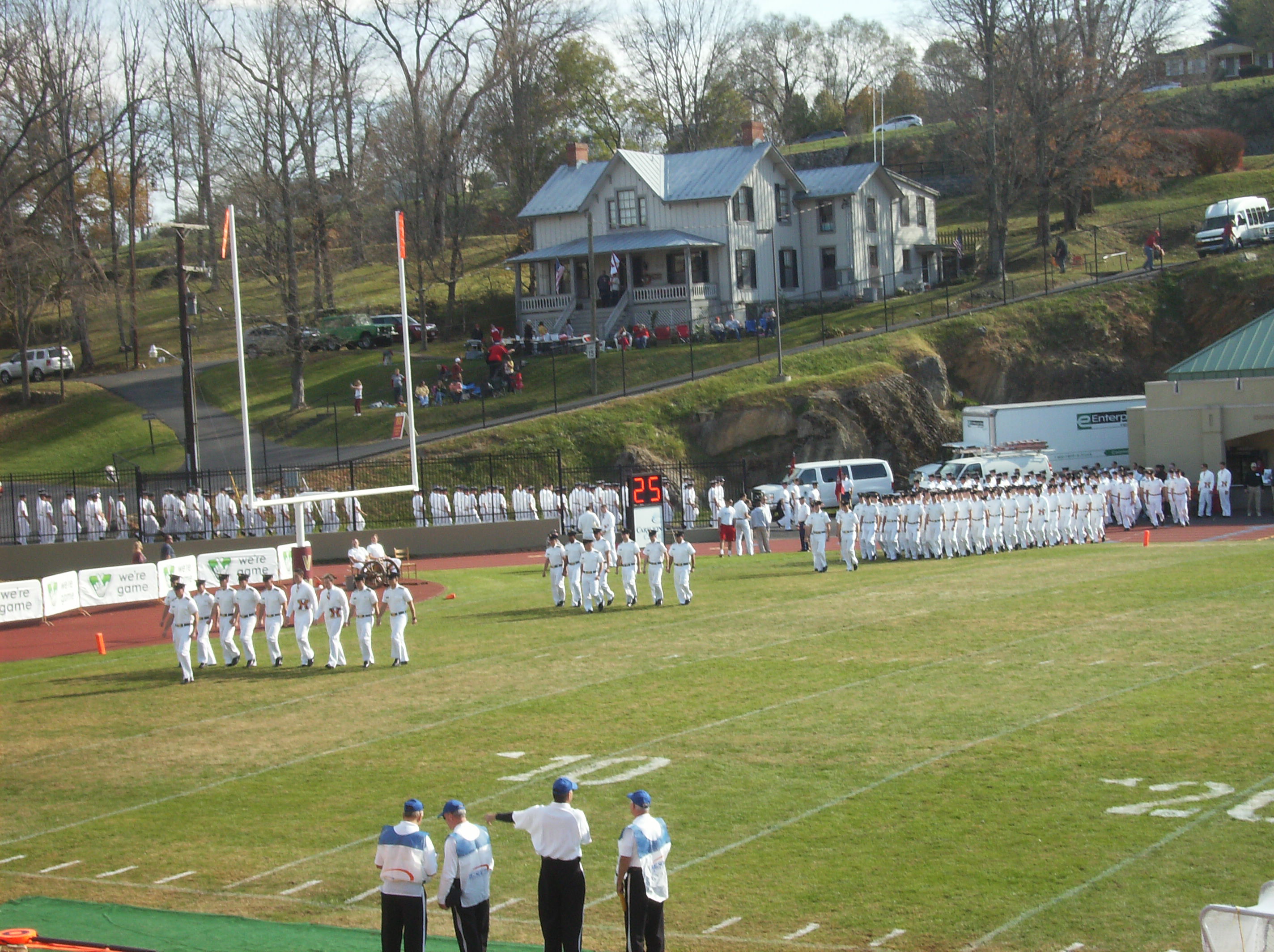
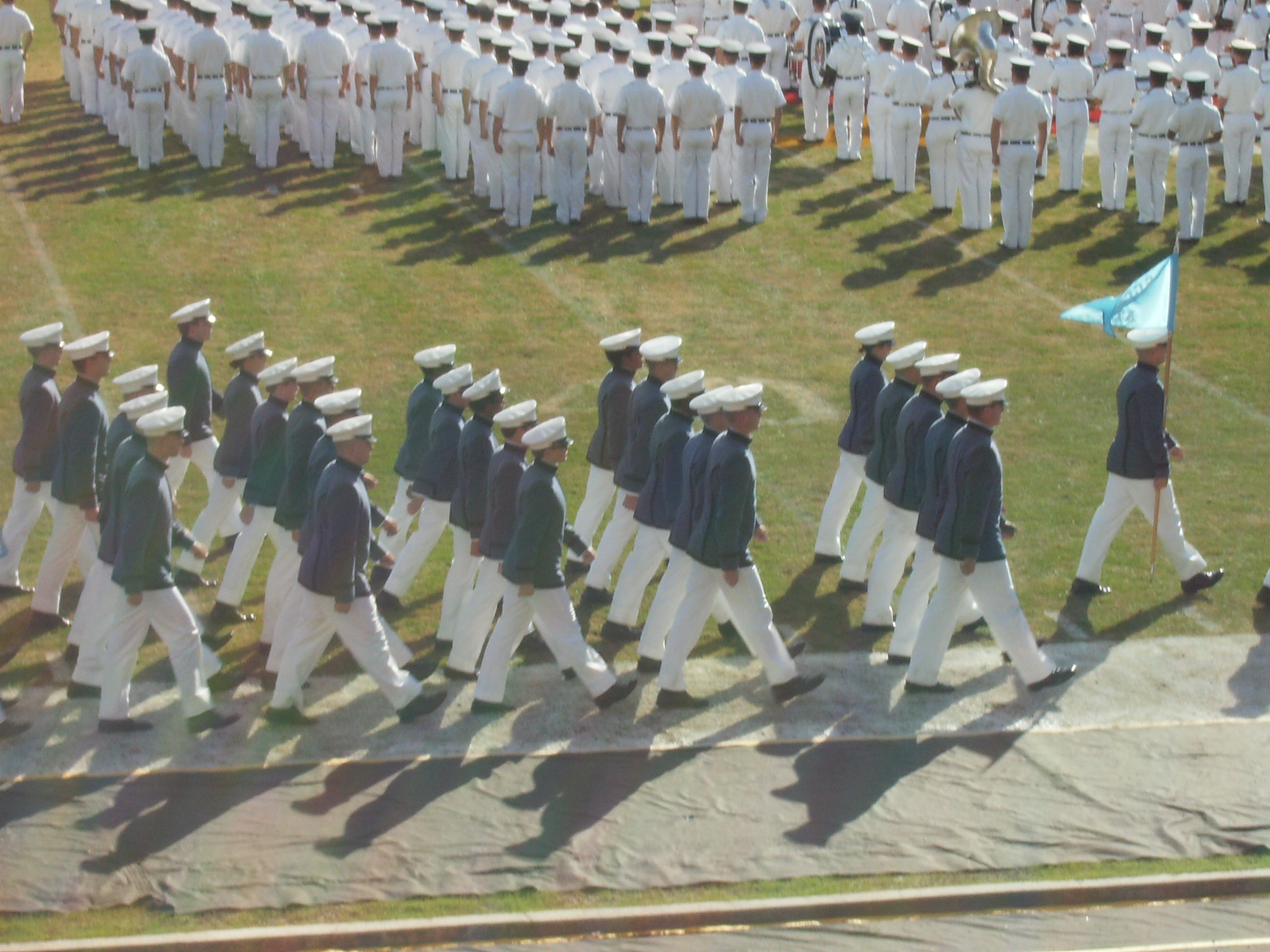
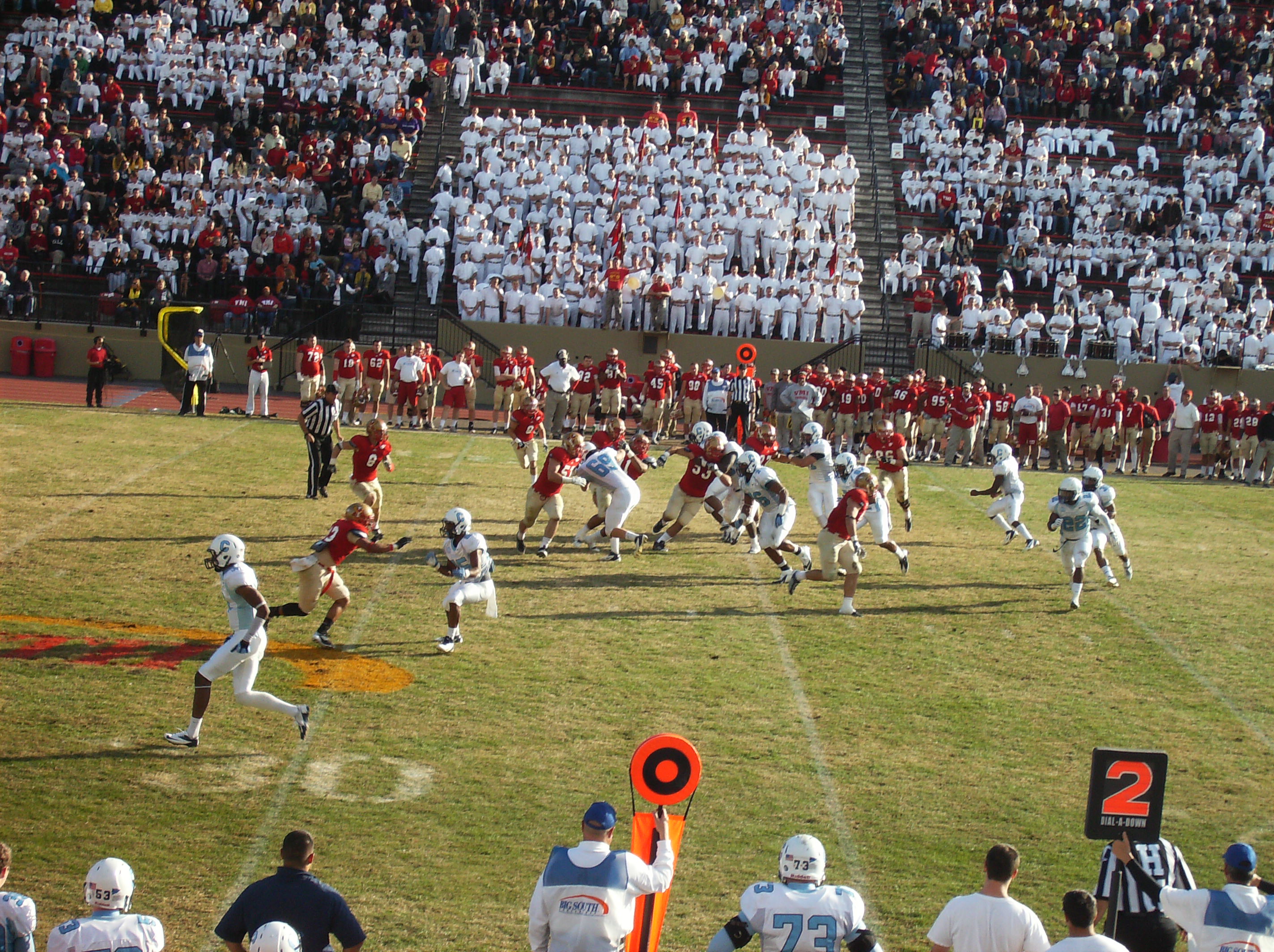
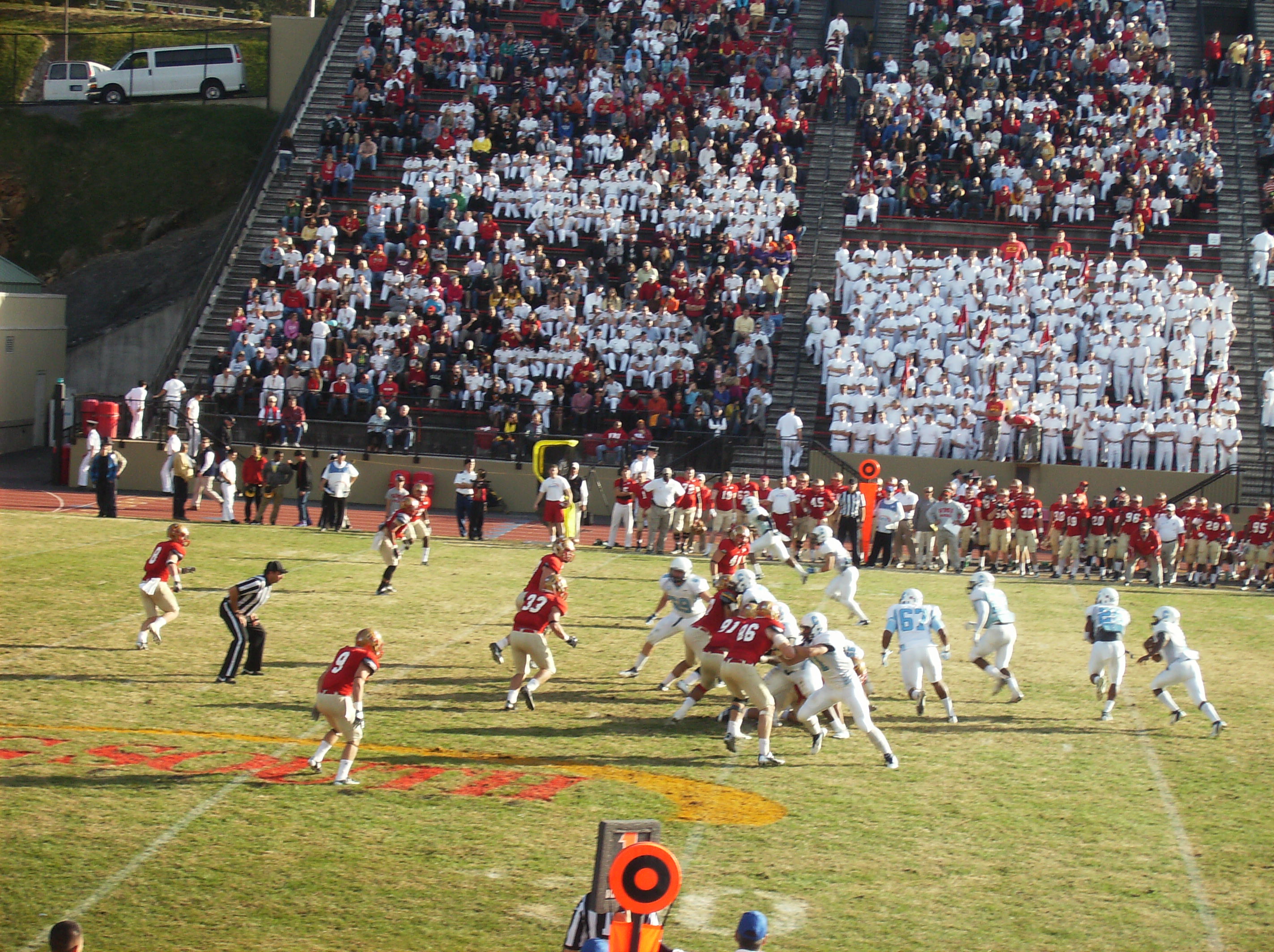
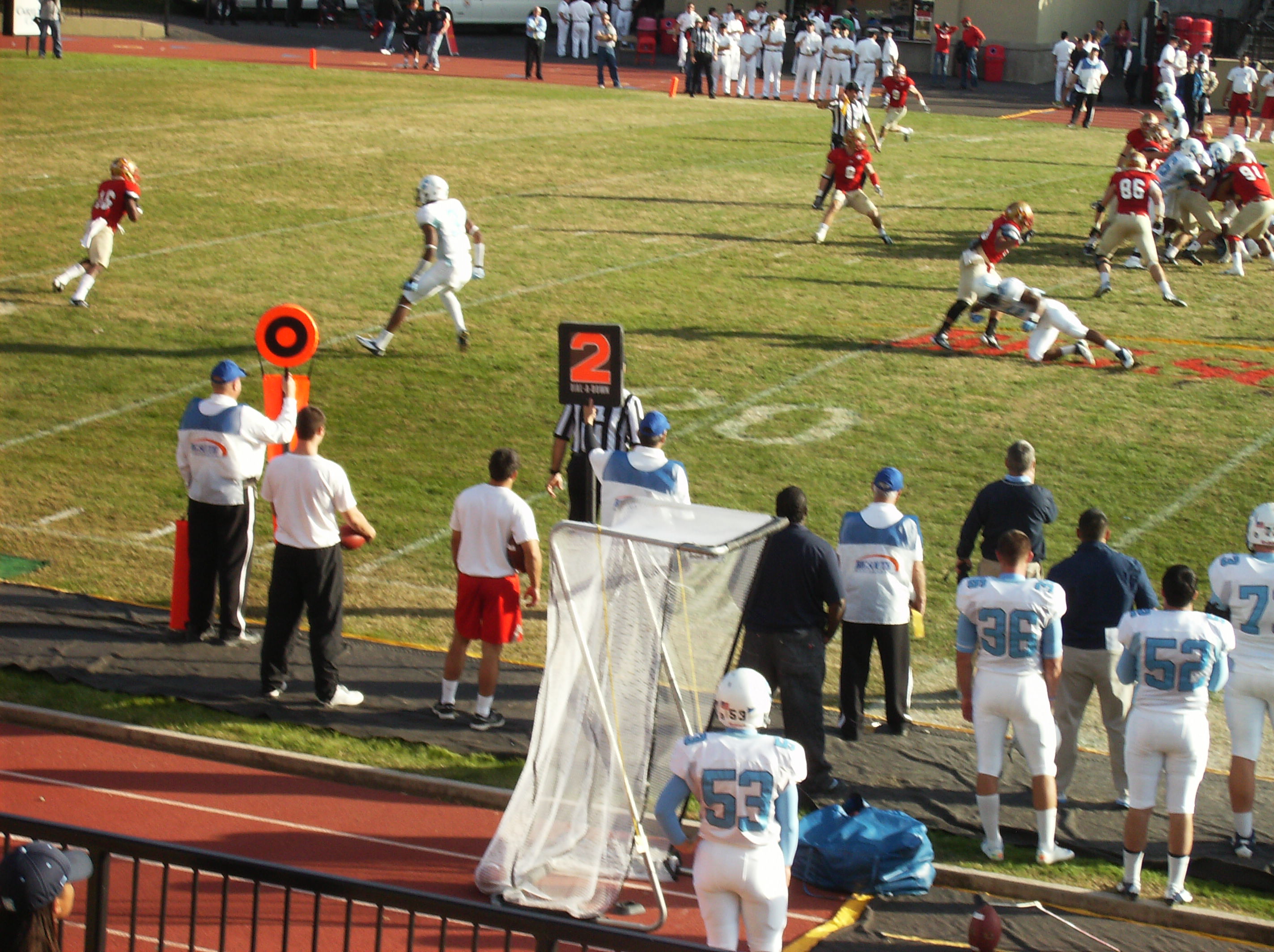
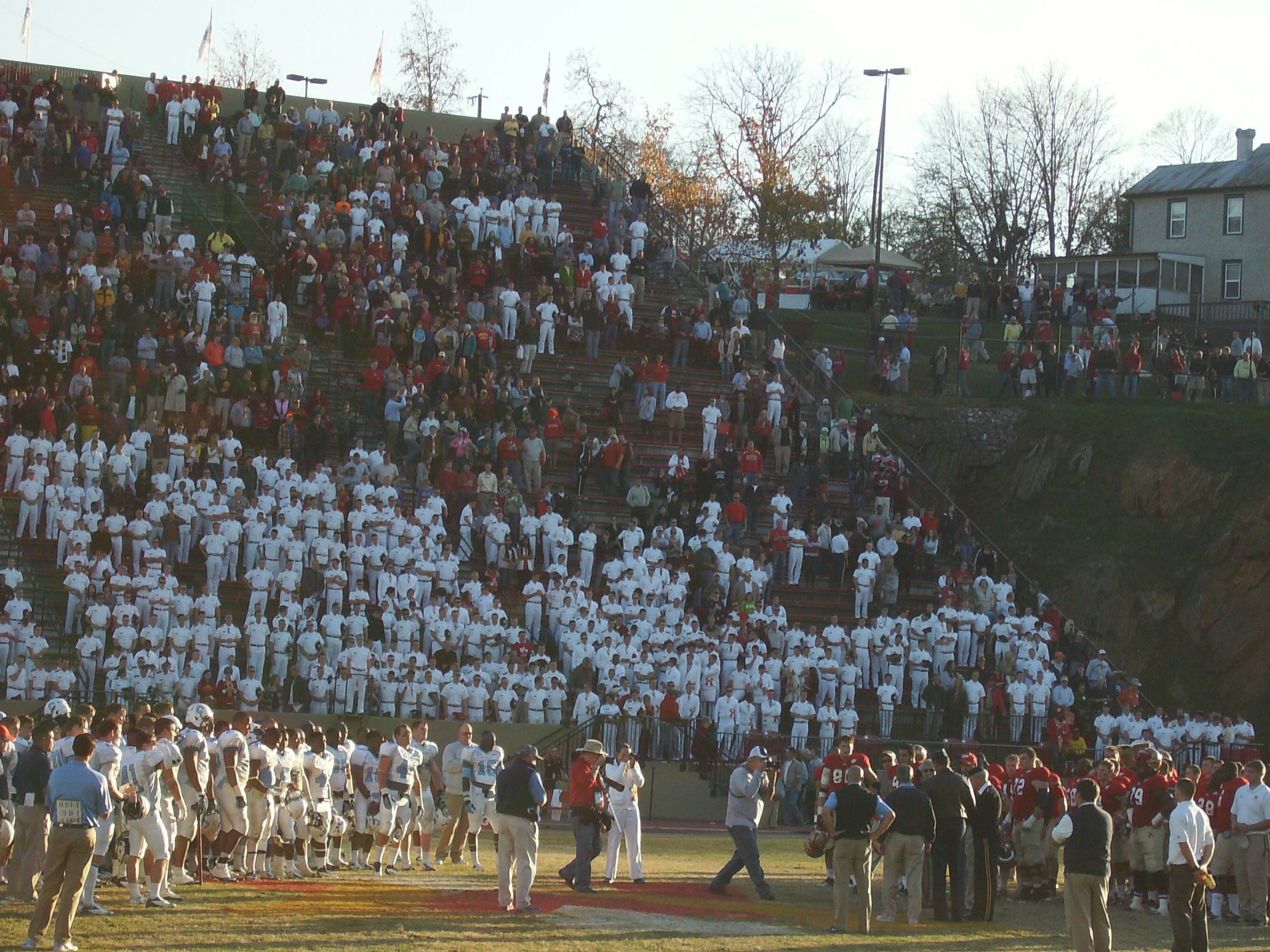
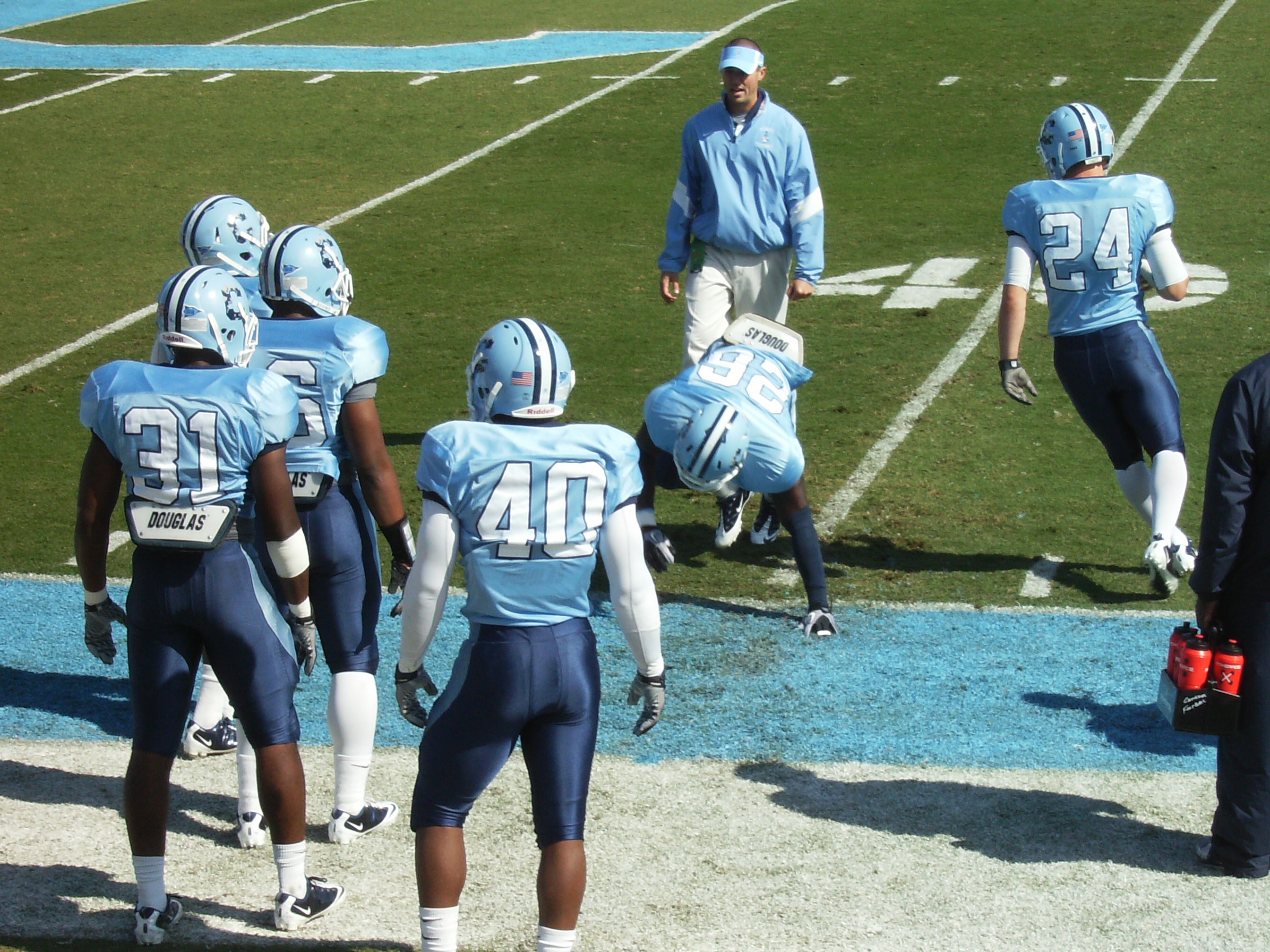
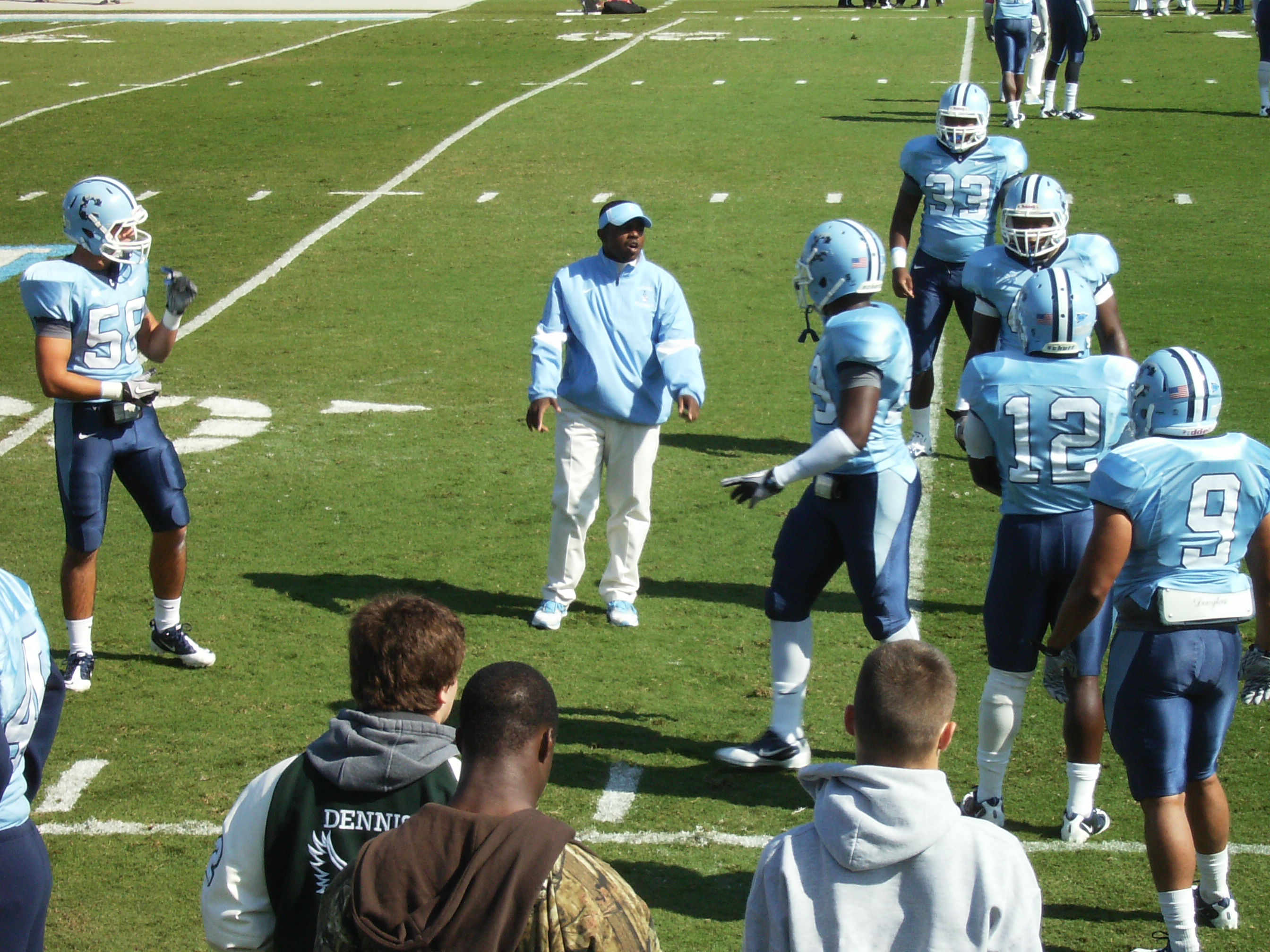
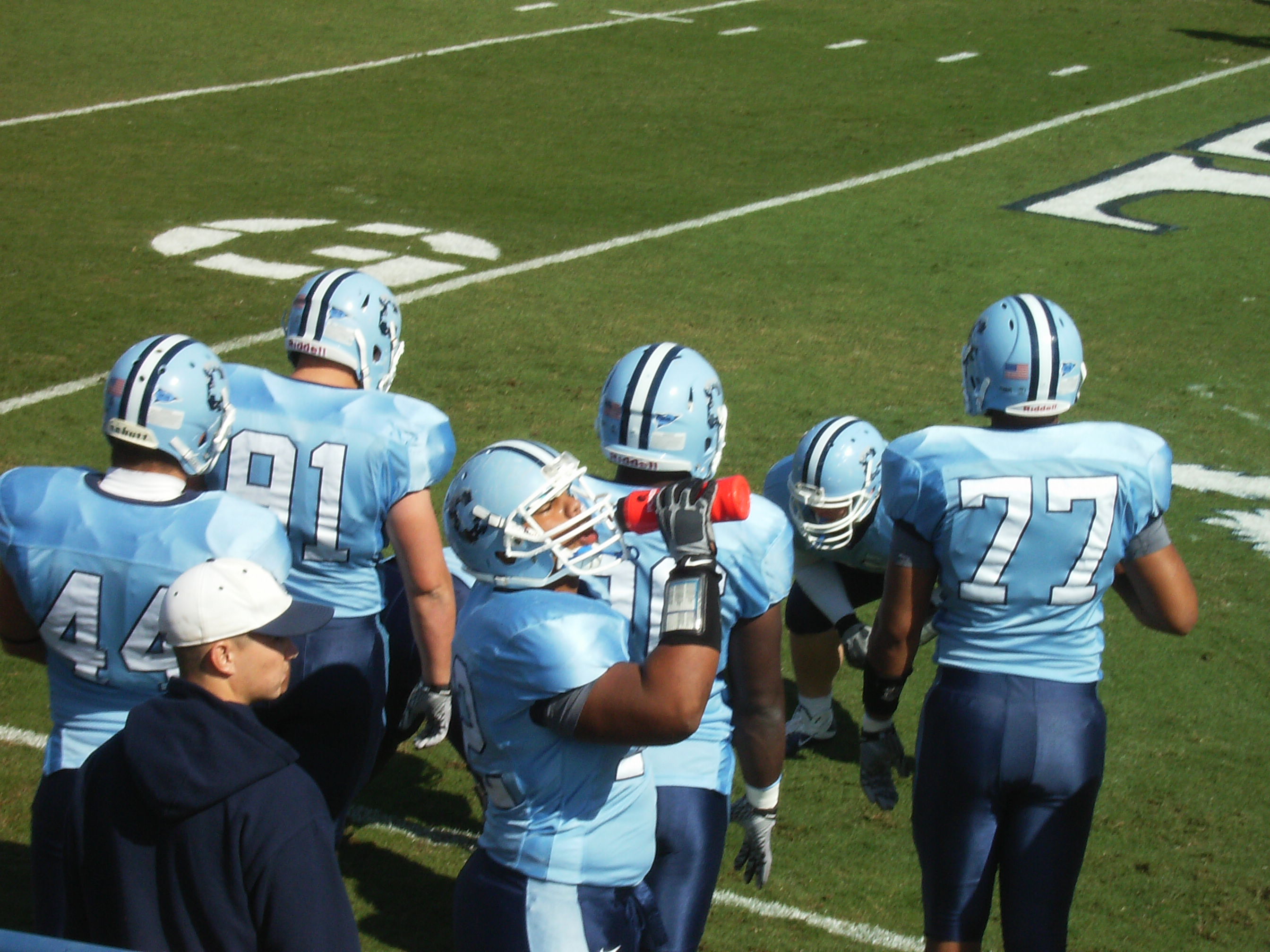
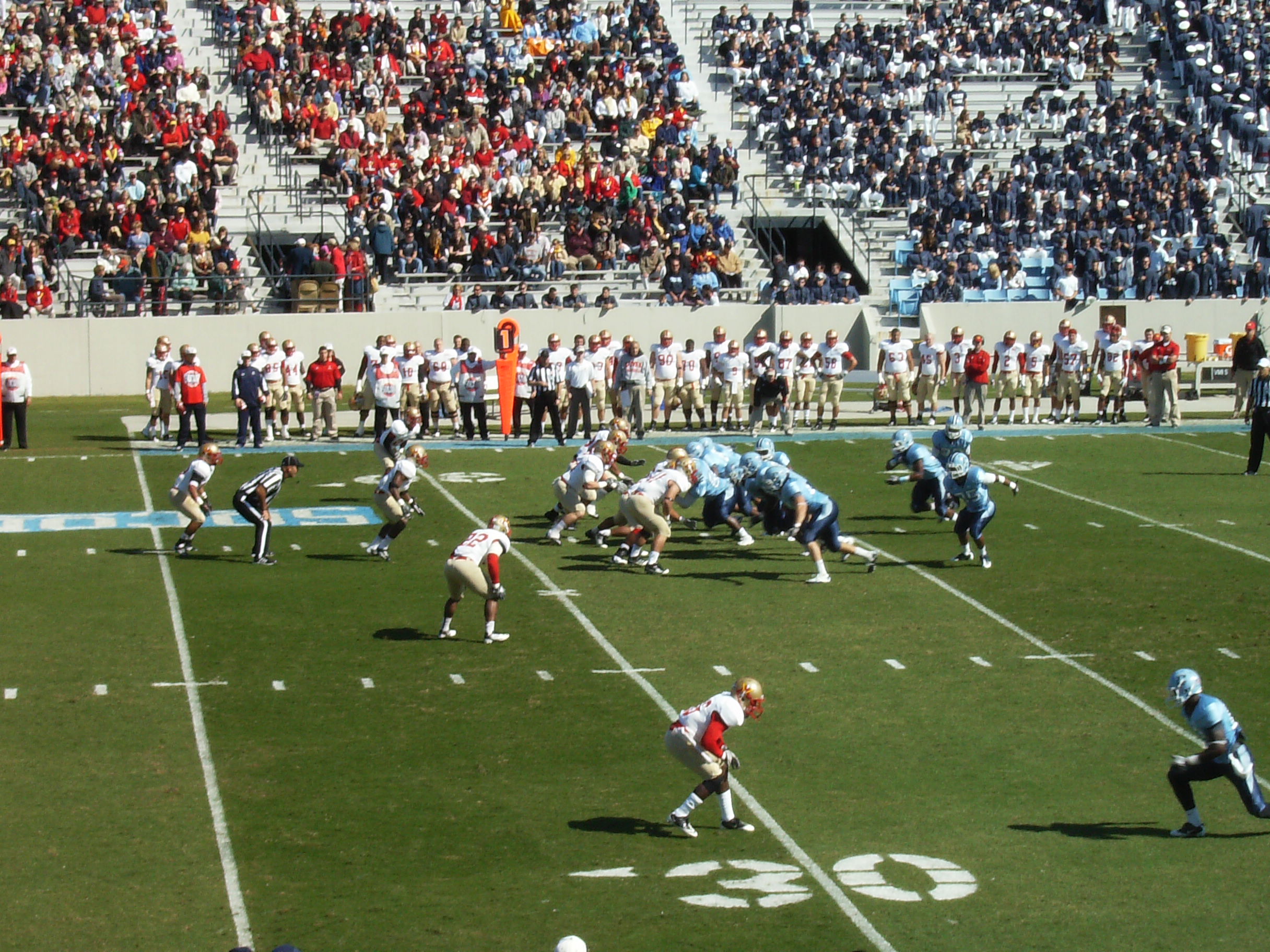
Pictures…well, every week I write about what a lame-o photographer I am, but I may have set a new standard for ineptitude this week. What follows is the best of a sorry lot.

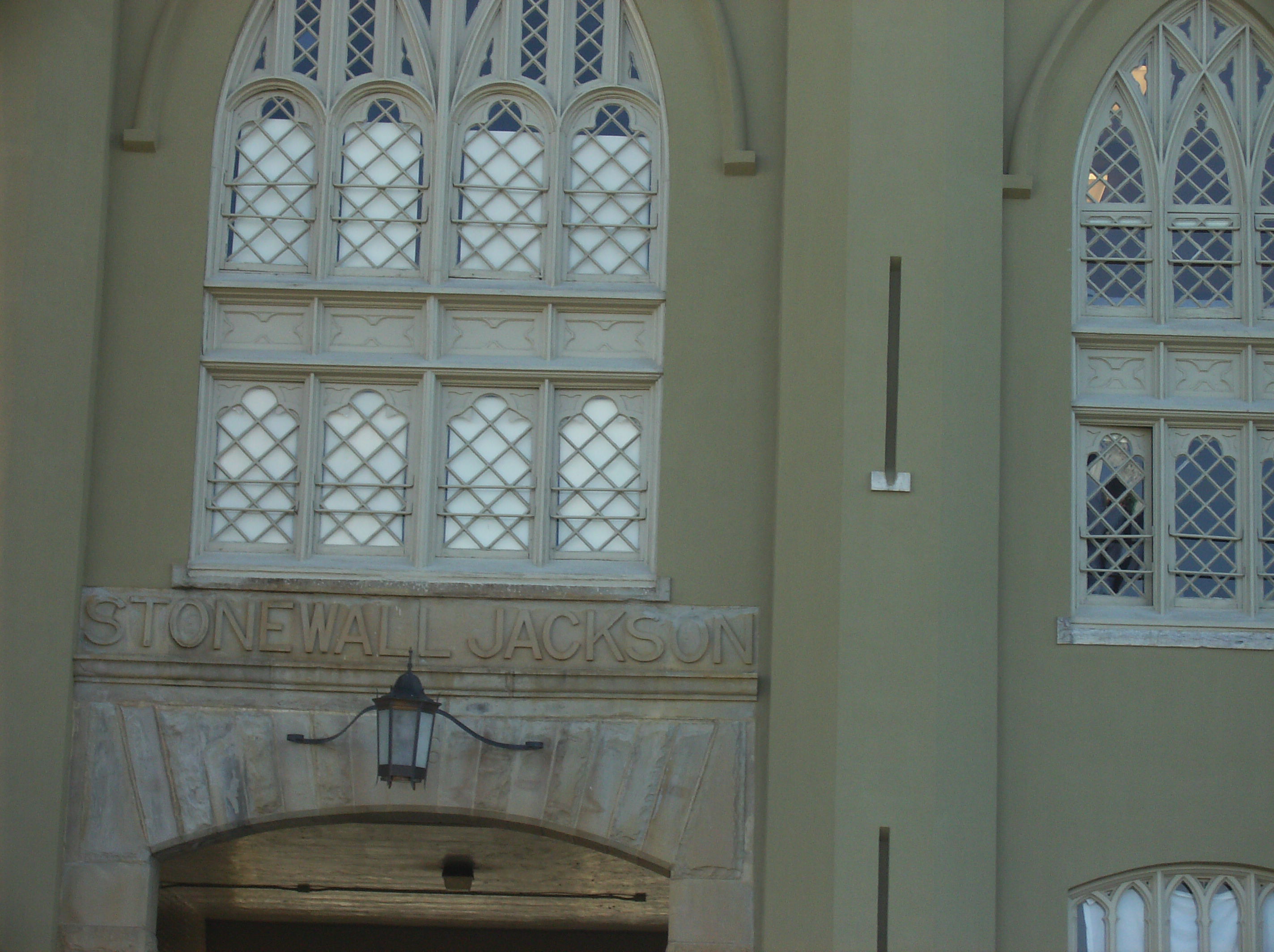
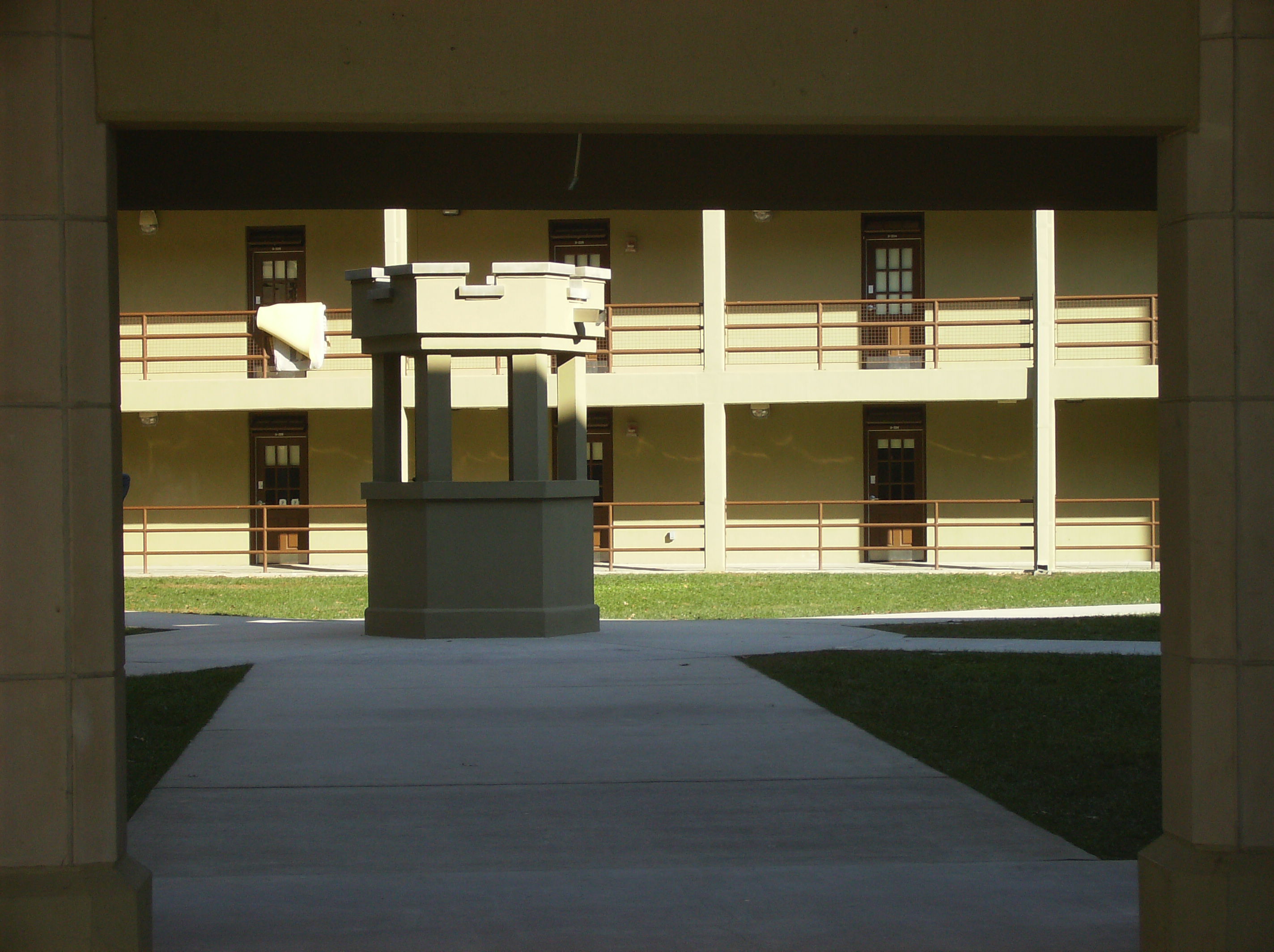
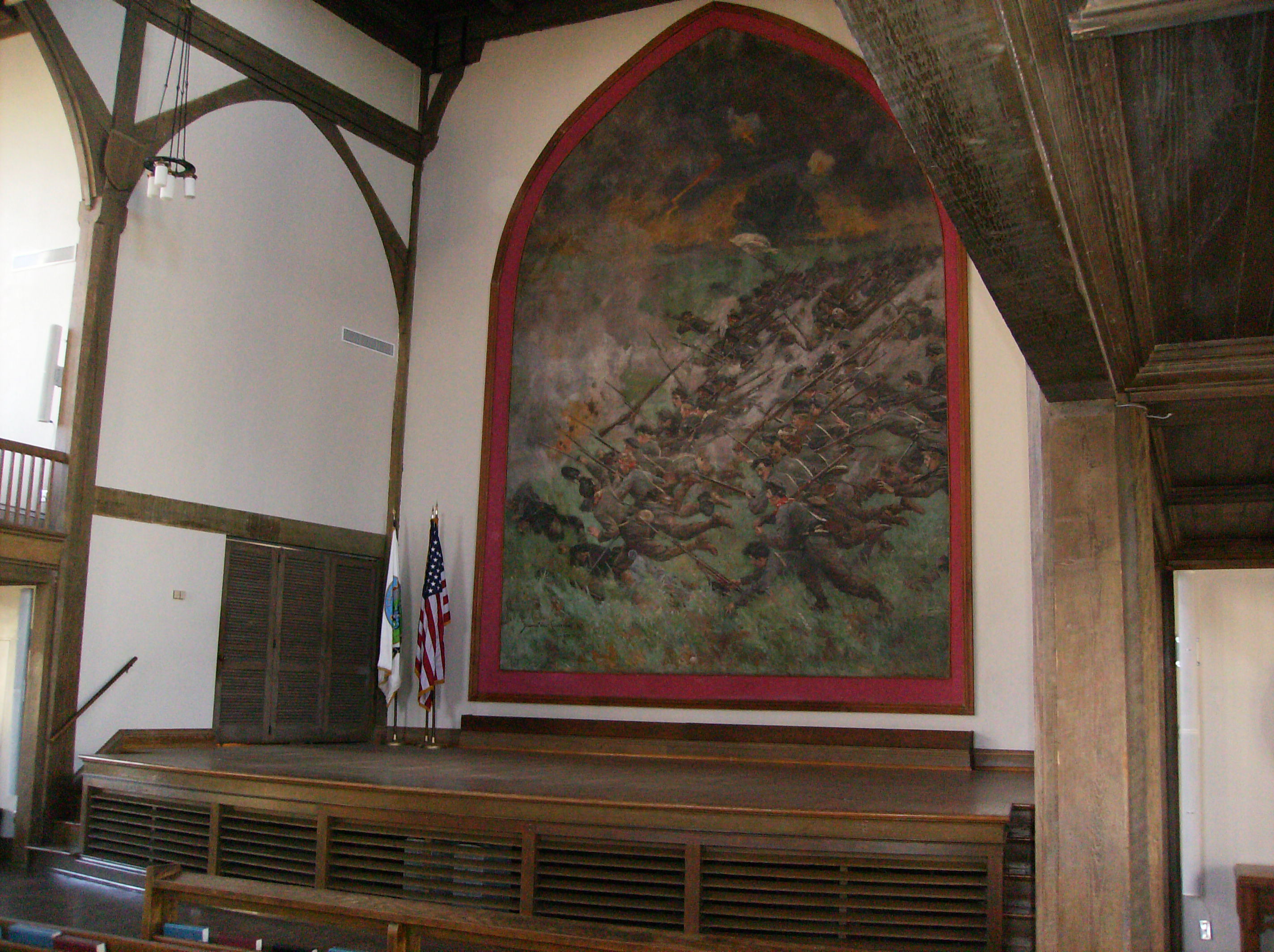
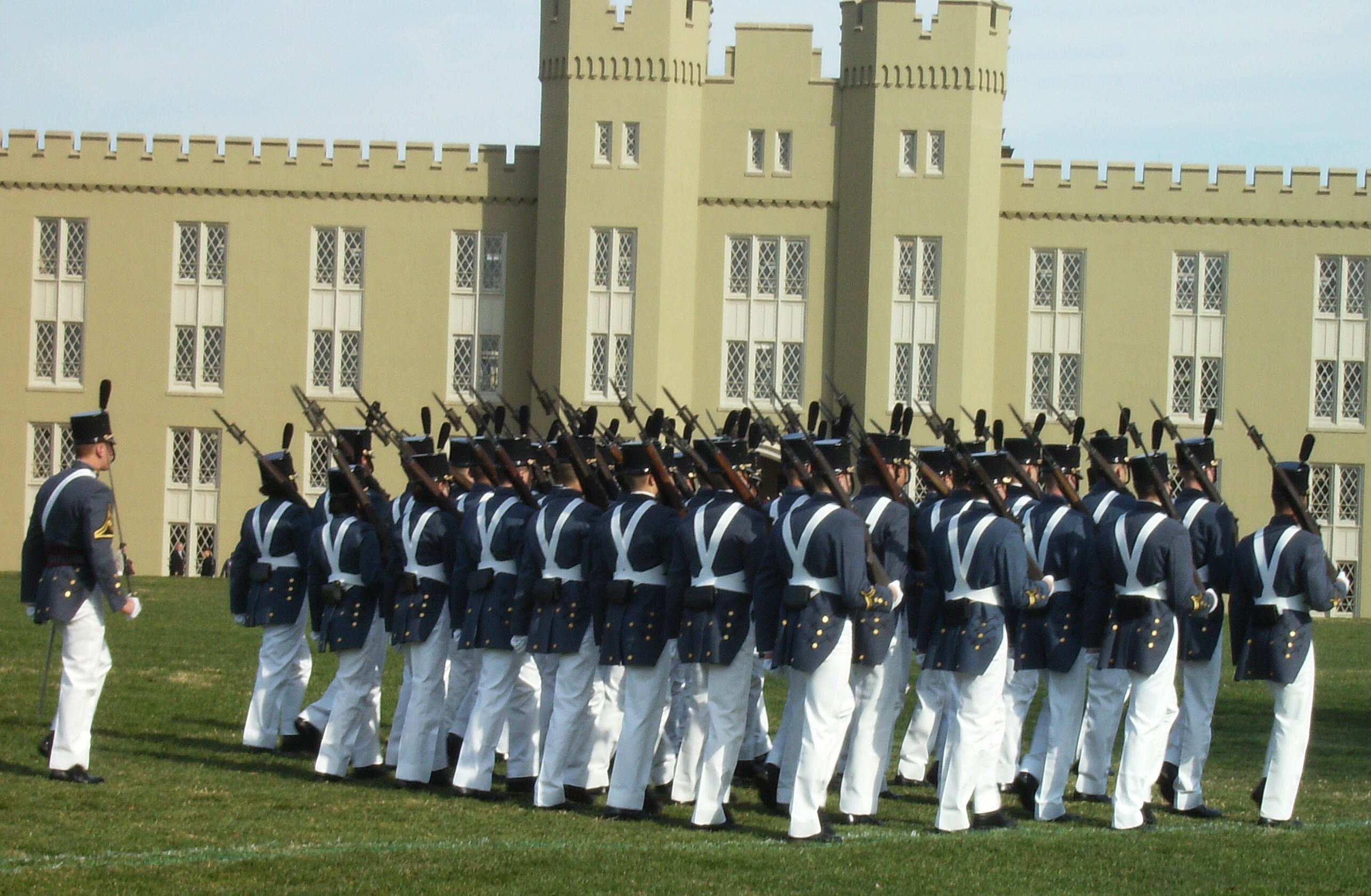
I took a lot of pictures of the campus and the Saturday parade. VMI is an interesting place. I firmly believe every graduate of The Citadel needs to visit VMI at least once, and vice versa.

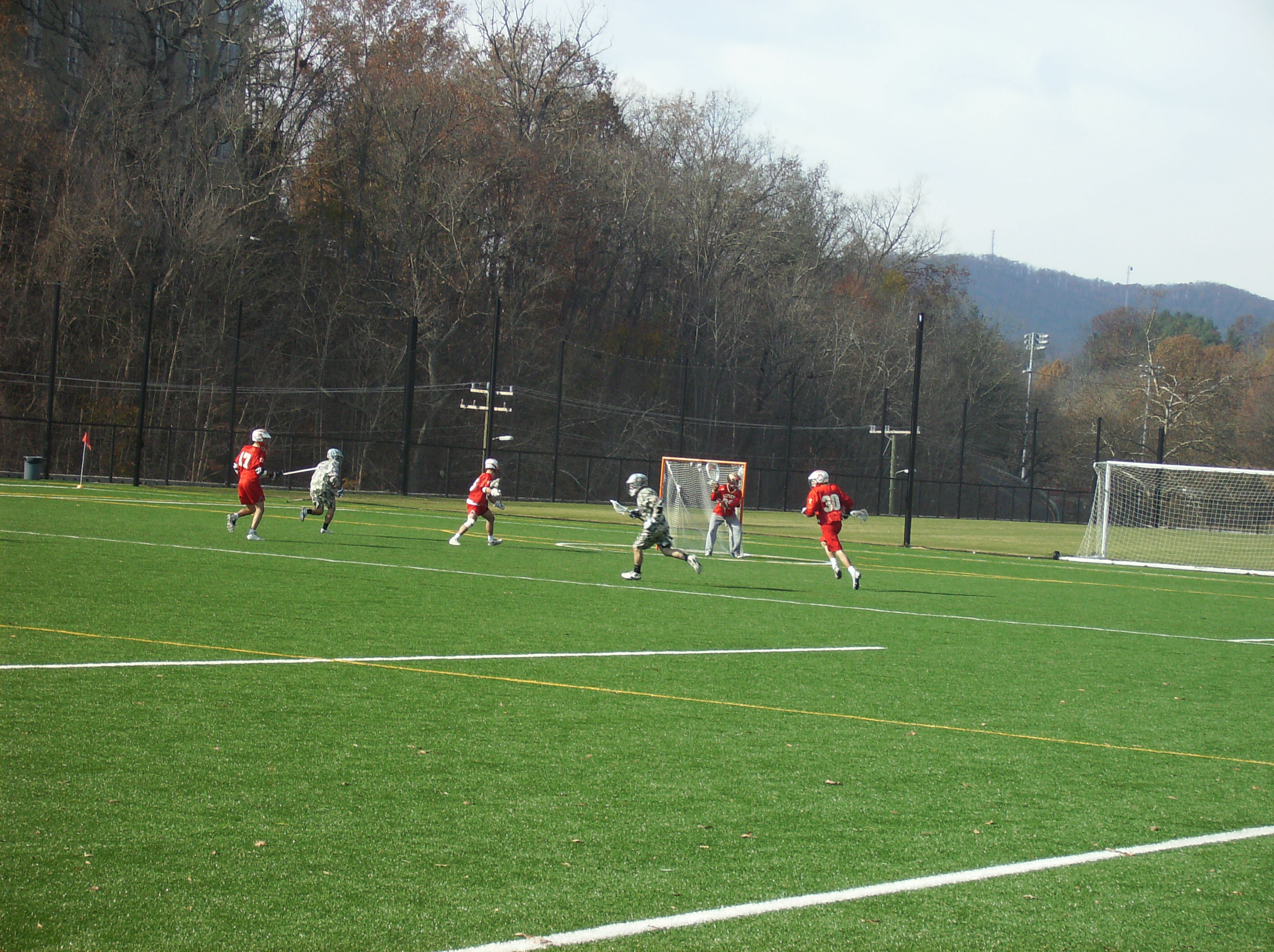
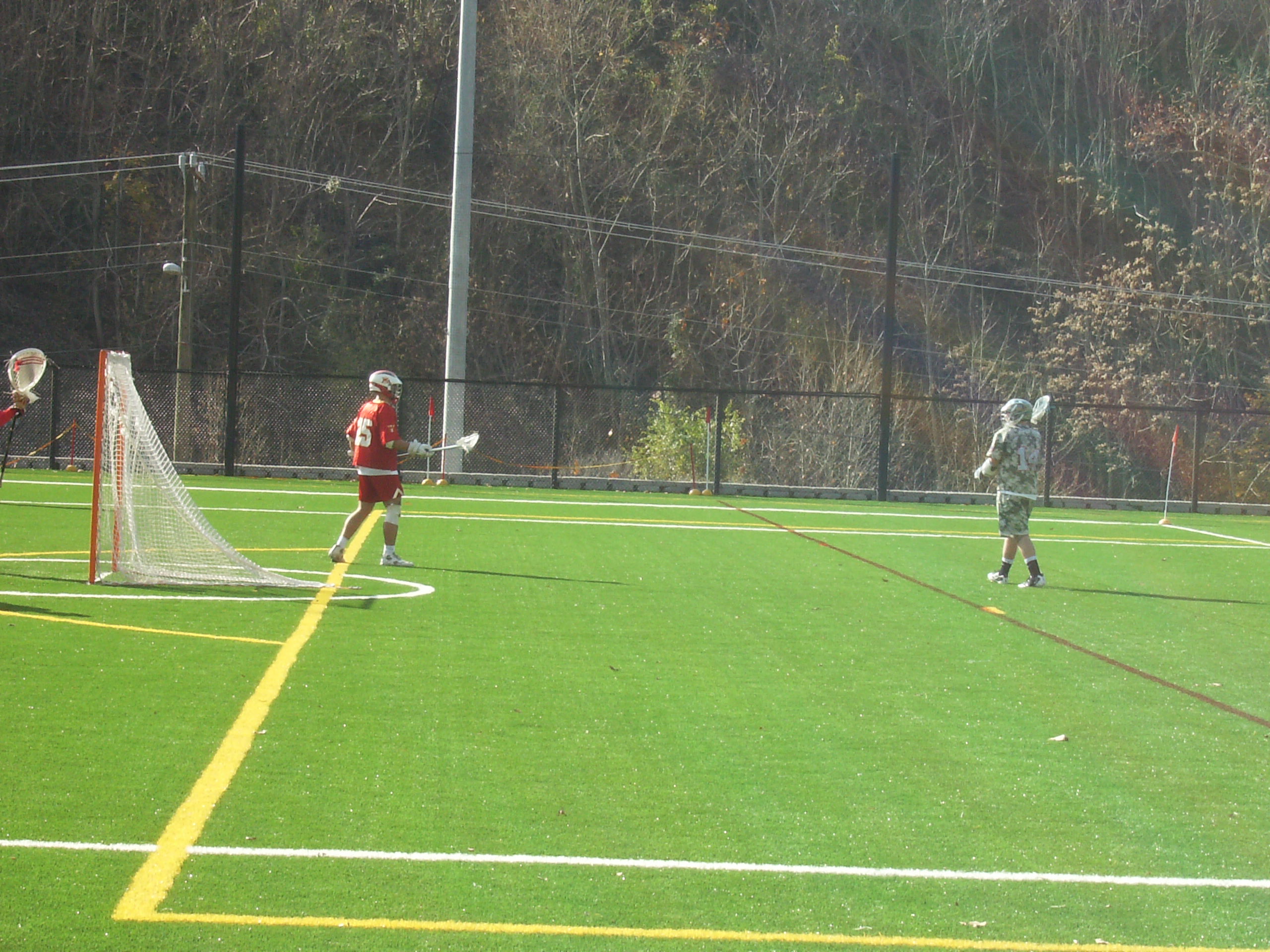
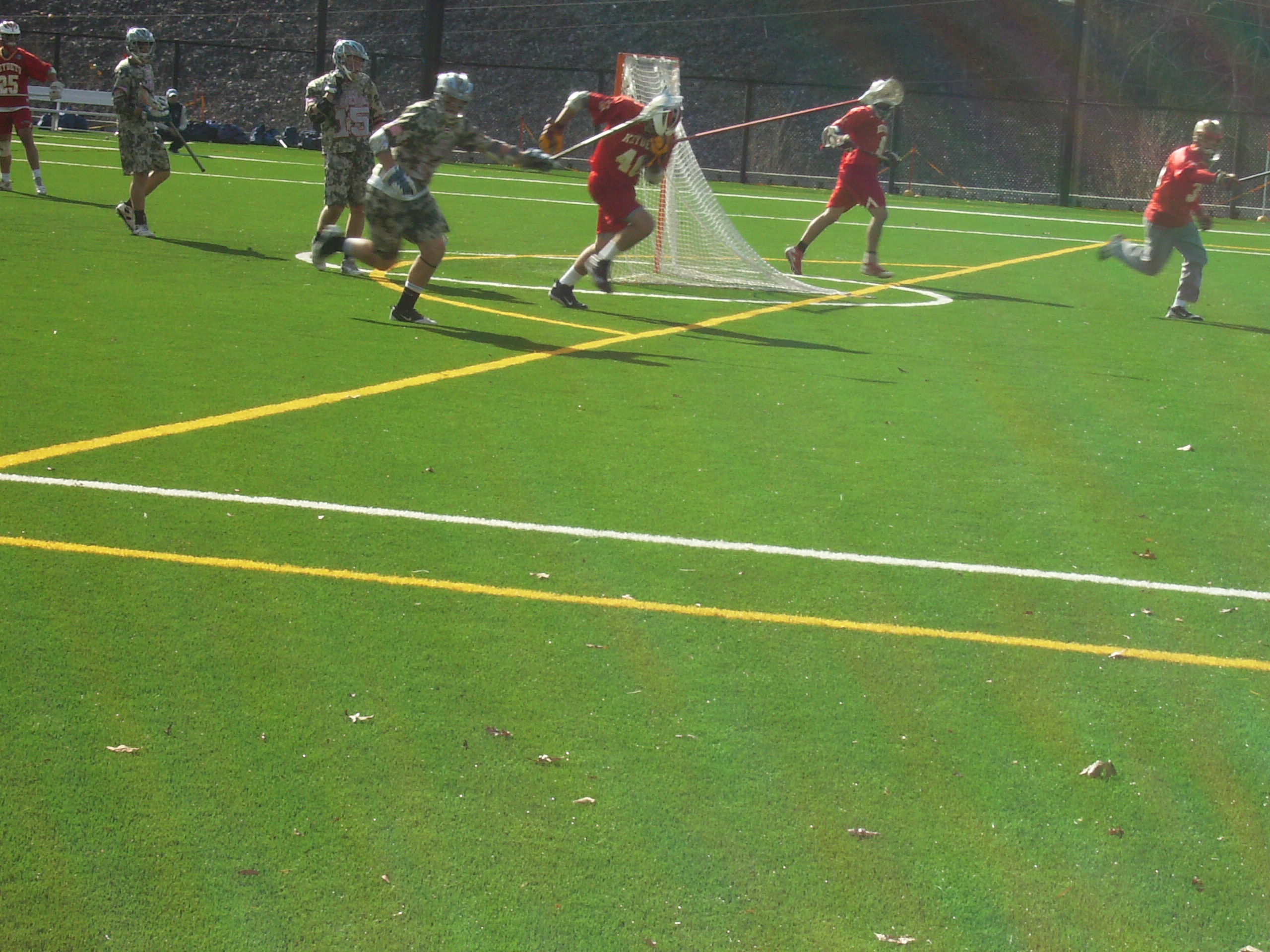
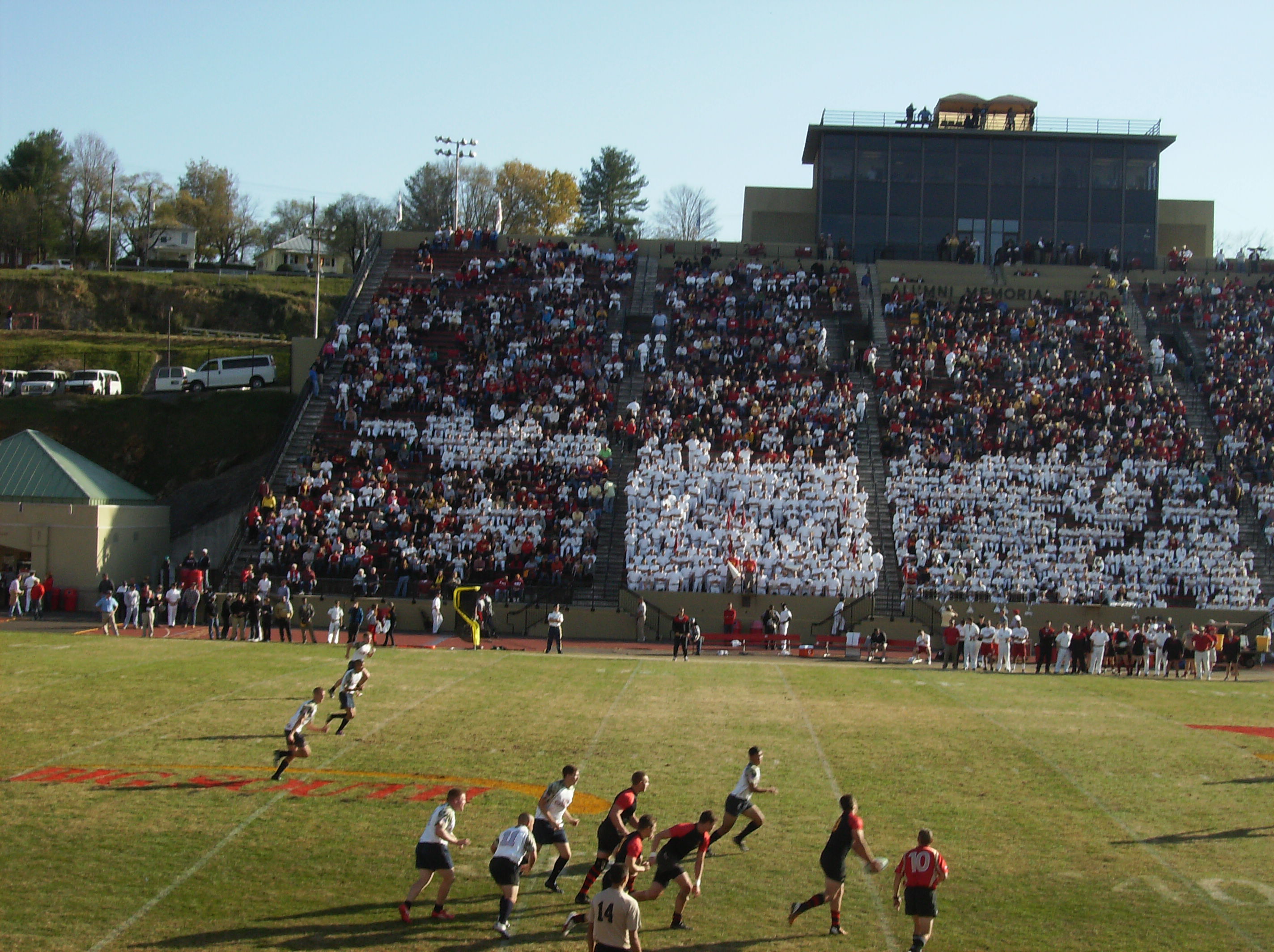
Included are a few pictures from the lacrosse match that took place on Saturday, which raised $3,000 for the Special Operations Warrior Foundation. Great job by those guys (not for the first time, either).

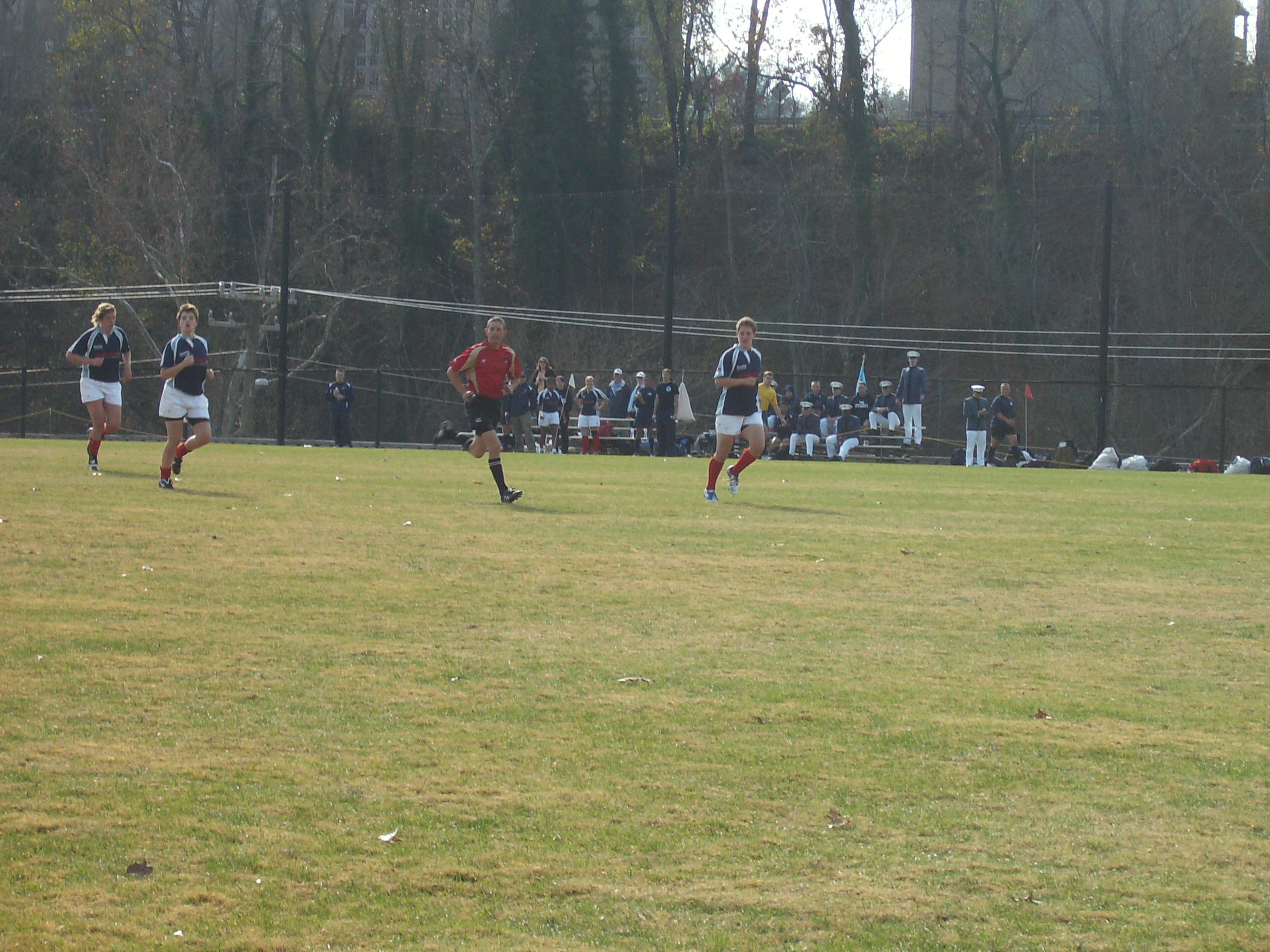
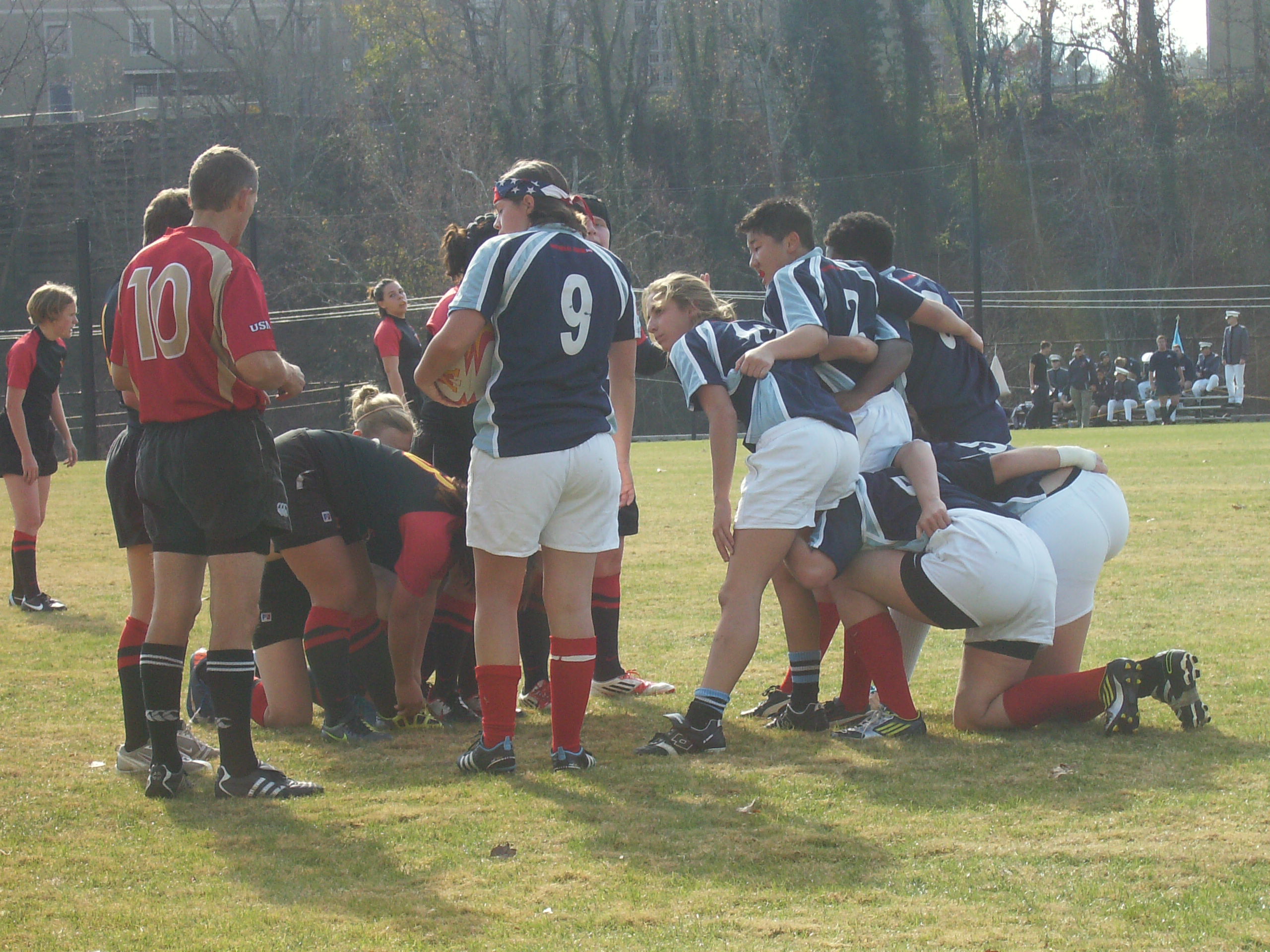
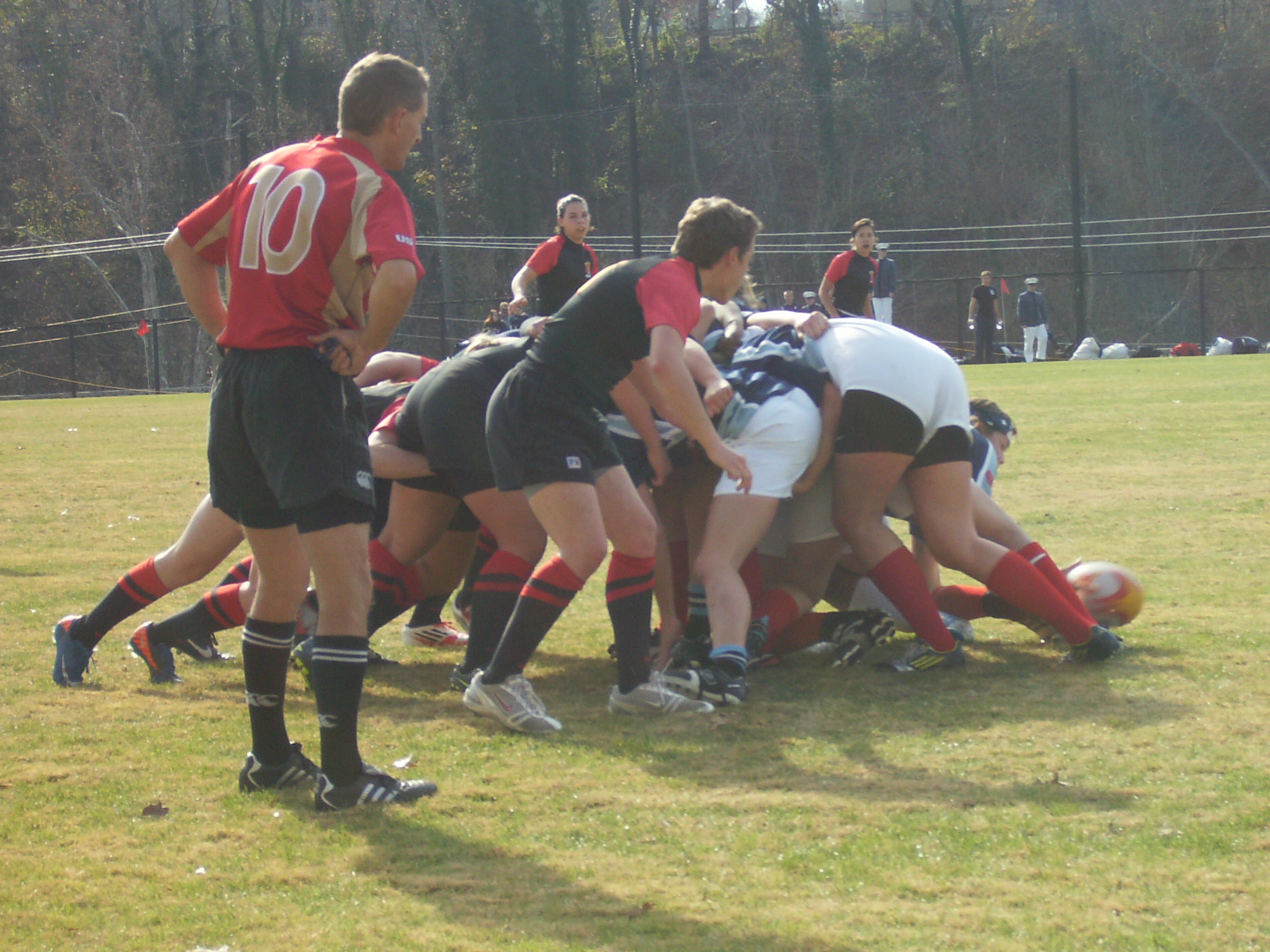
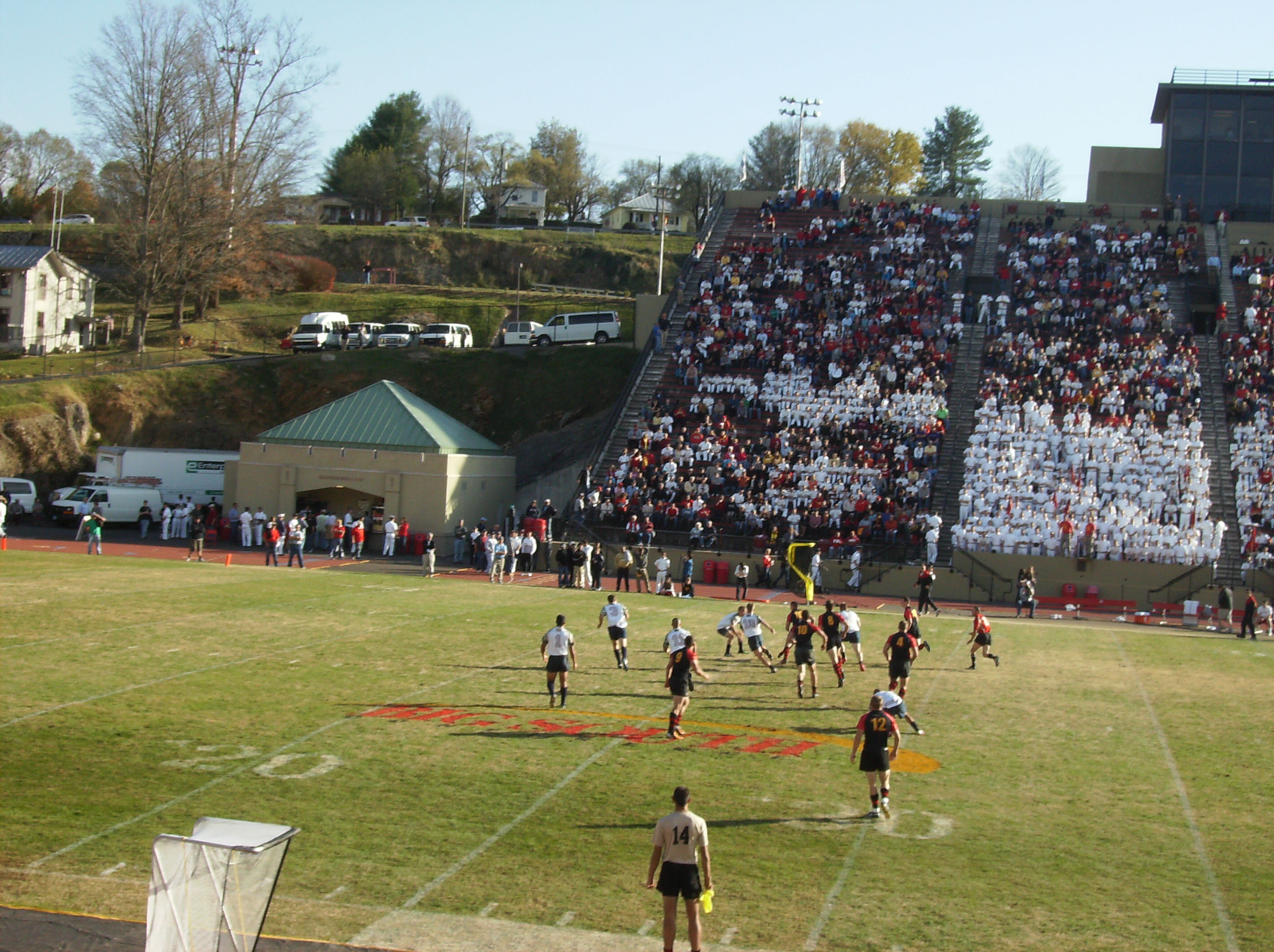
I also watched the women’s rugby game for a short time, which more than matched the football game for sheer brutality. There are a few pictures in the set from that contest, as well as the halftime Rugby 7s exhibition.

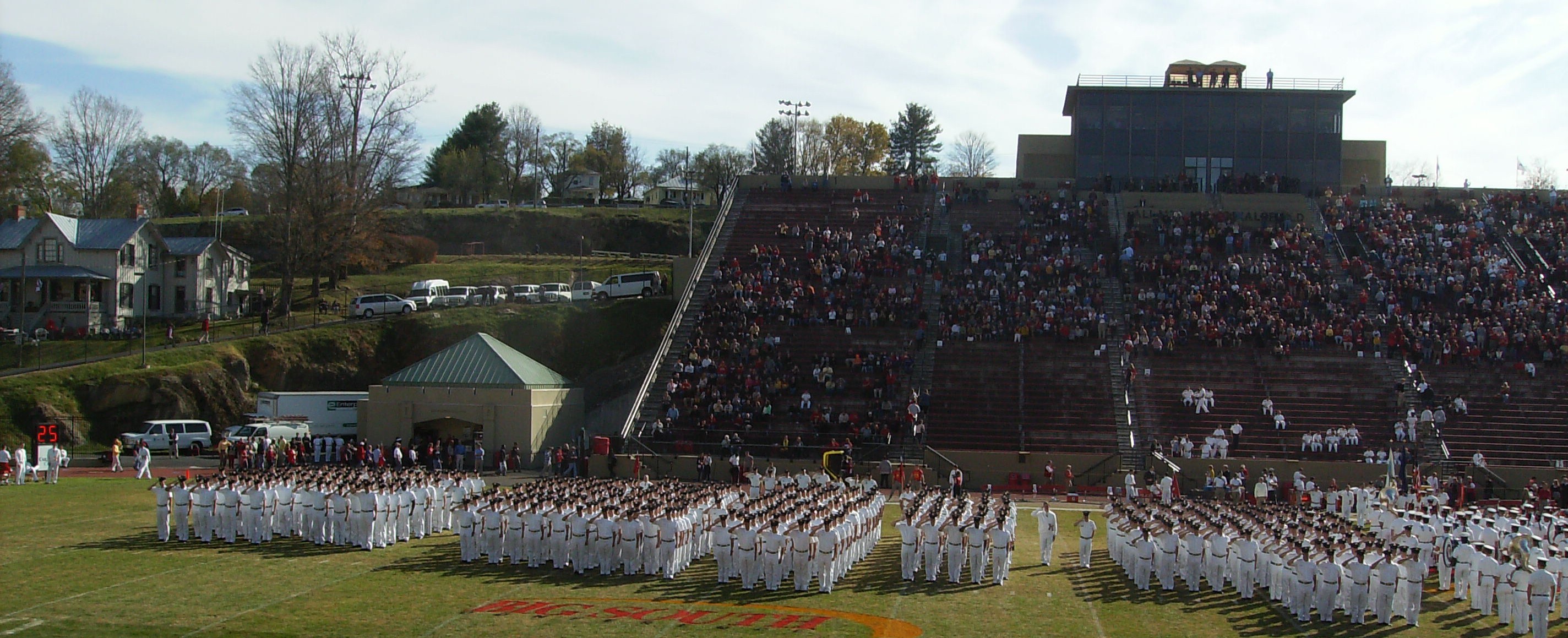
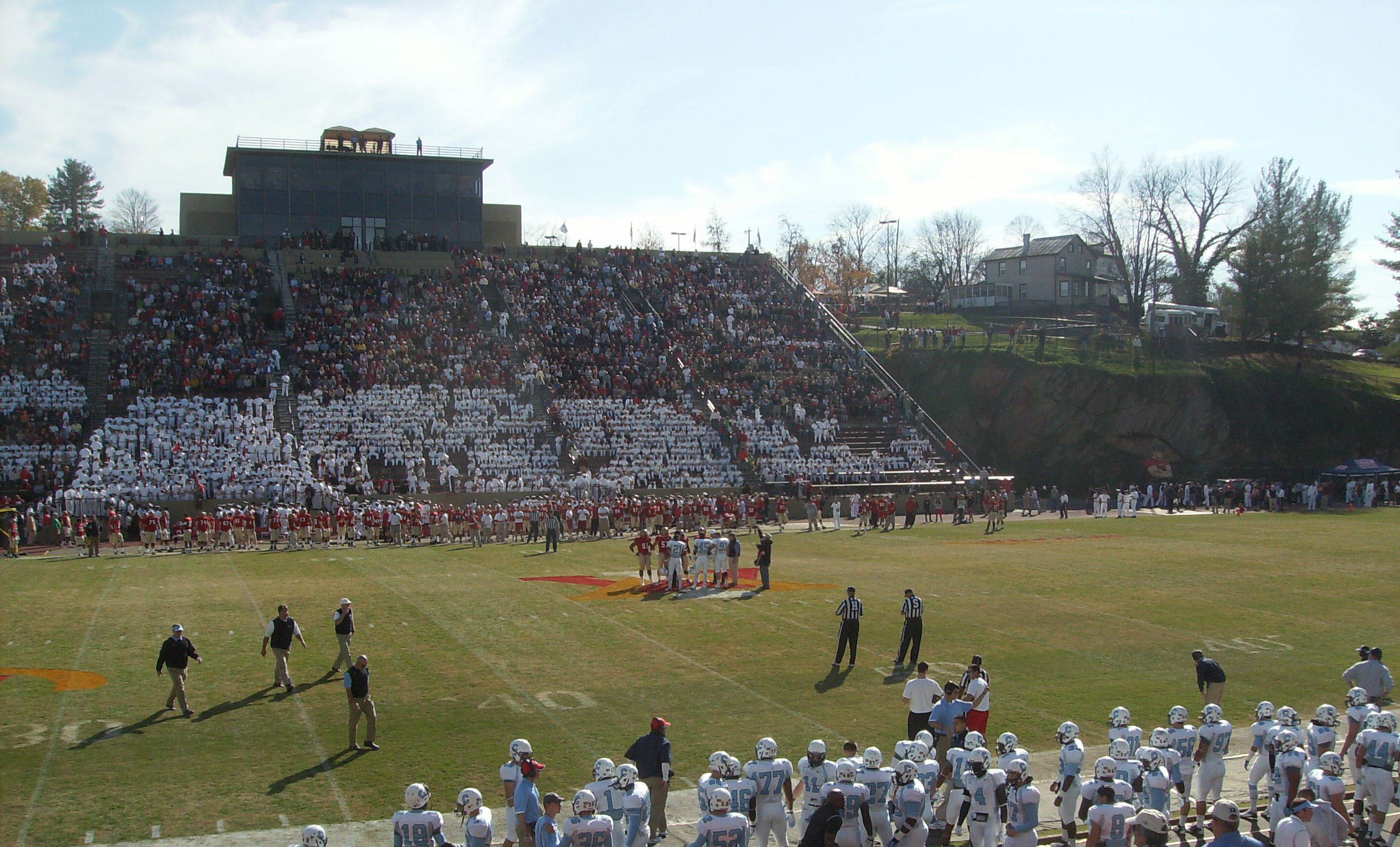
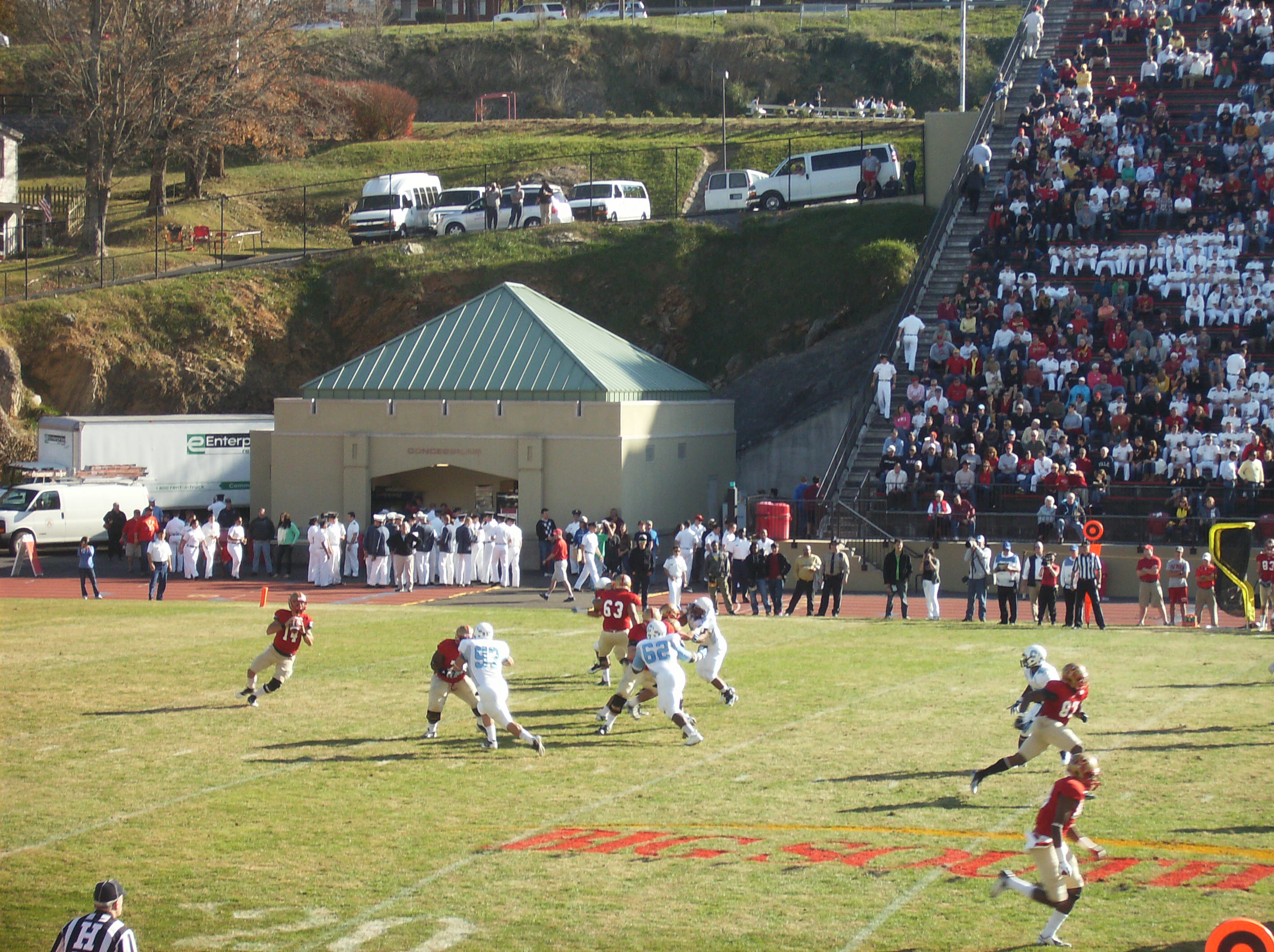
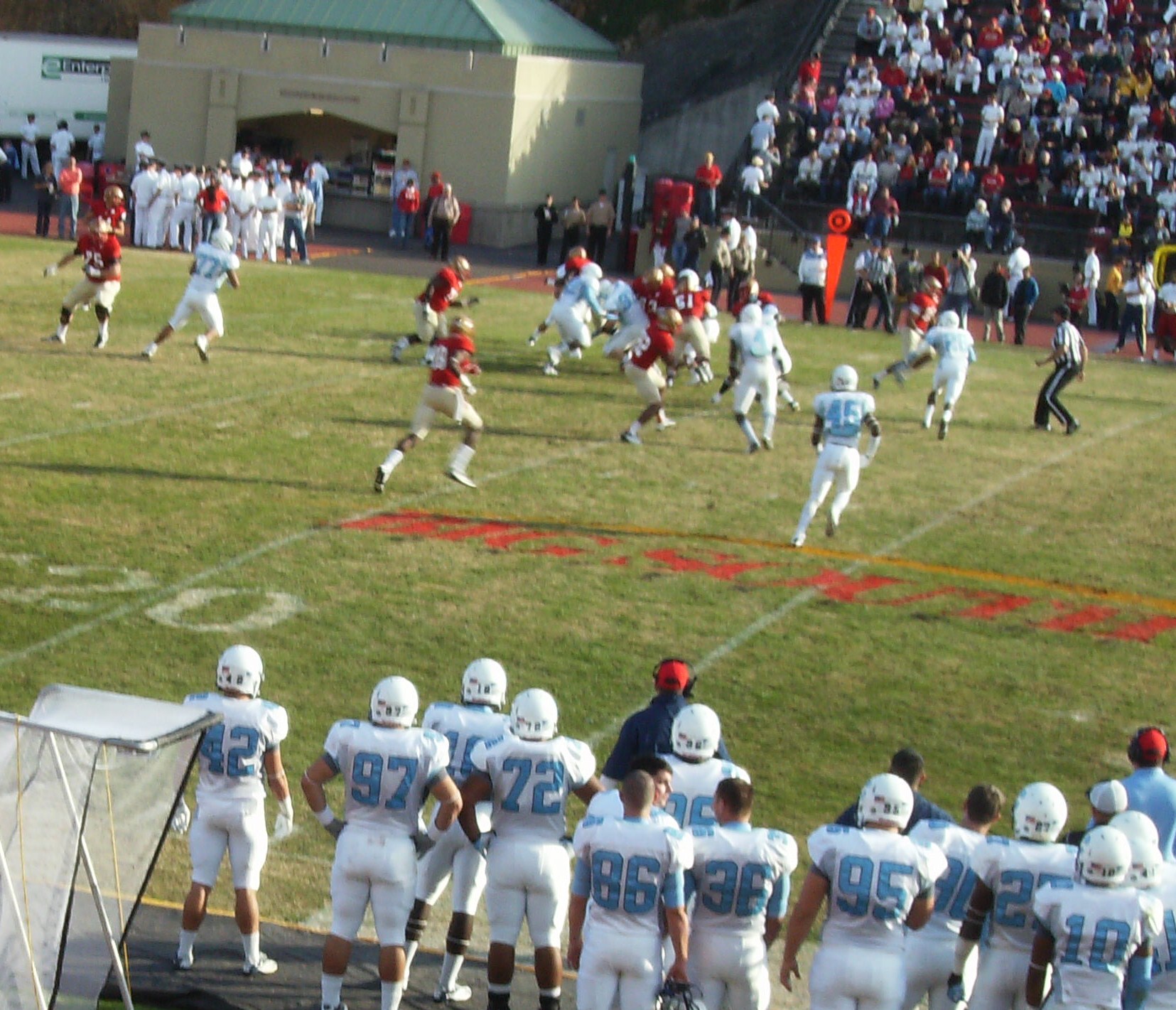
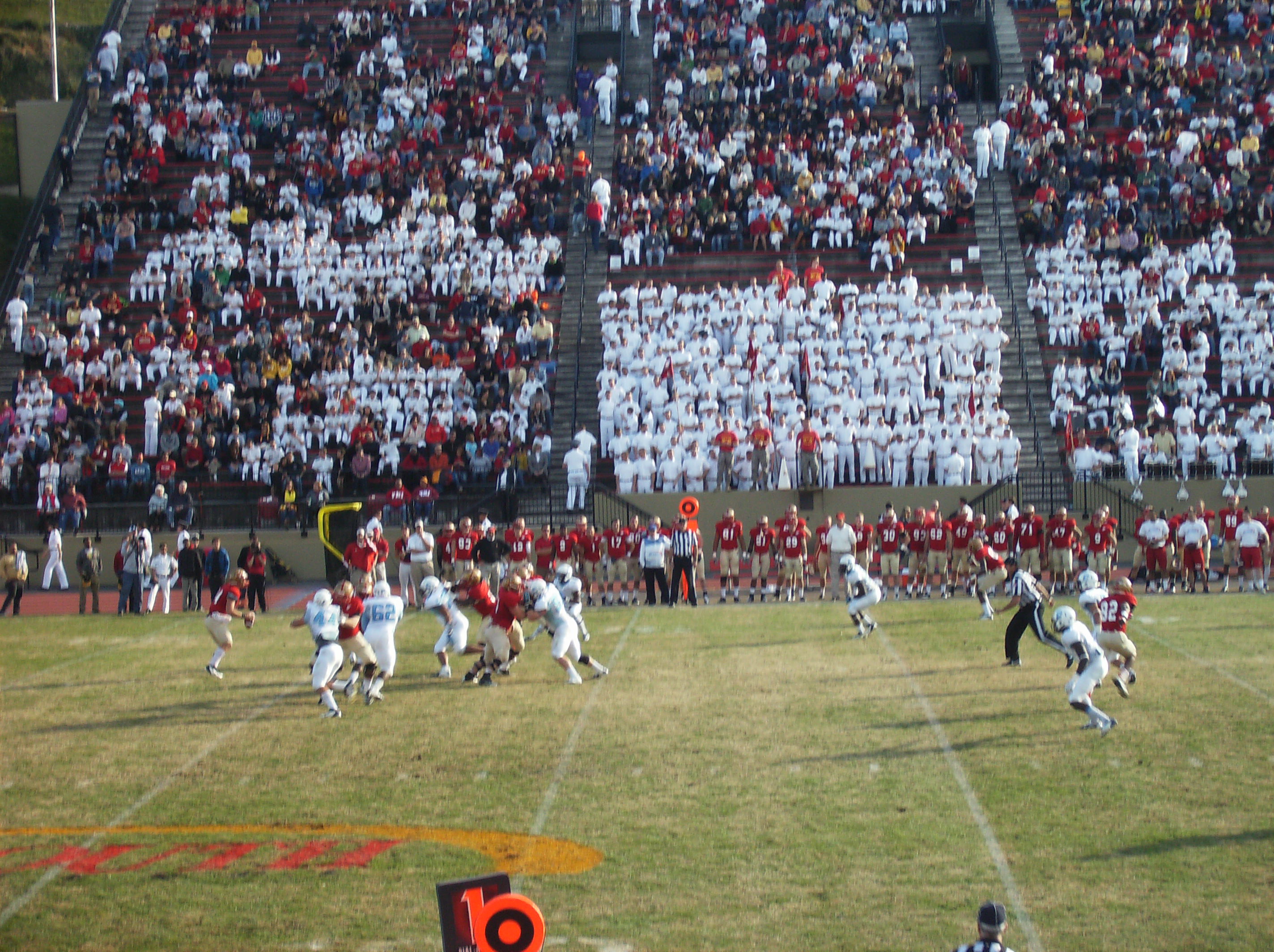
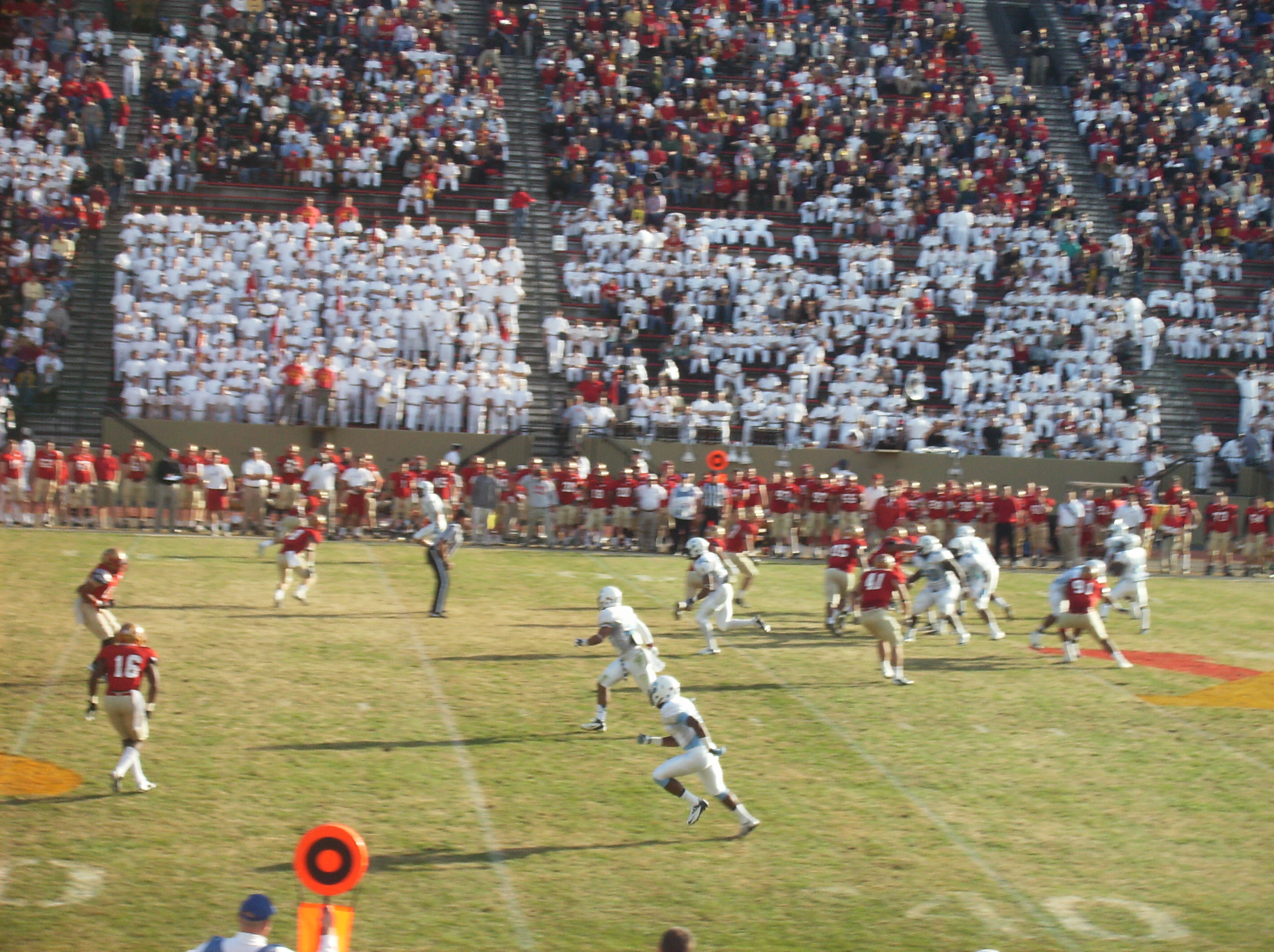
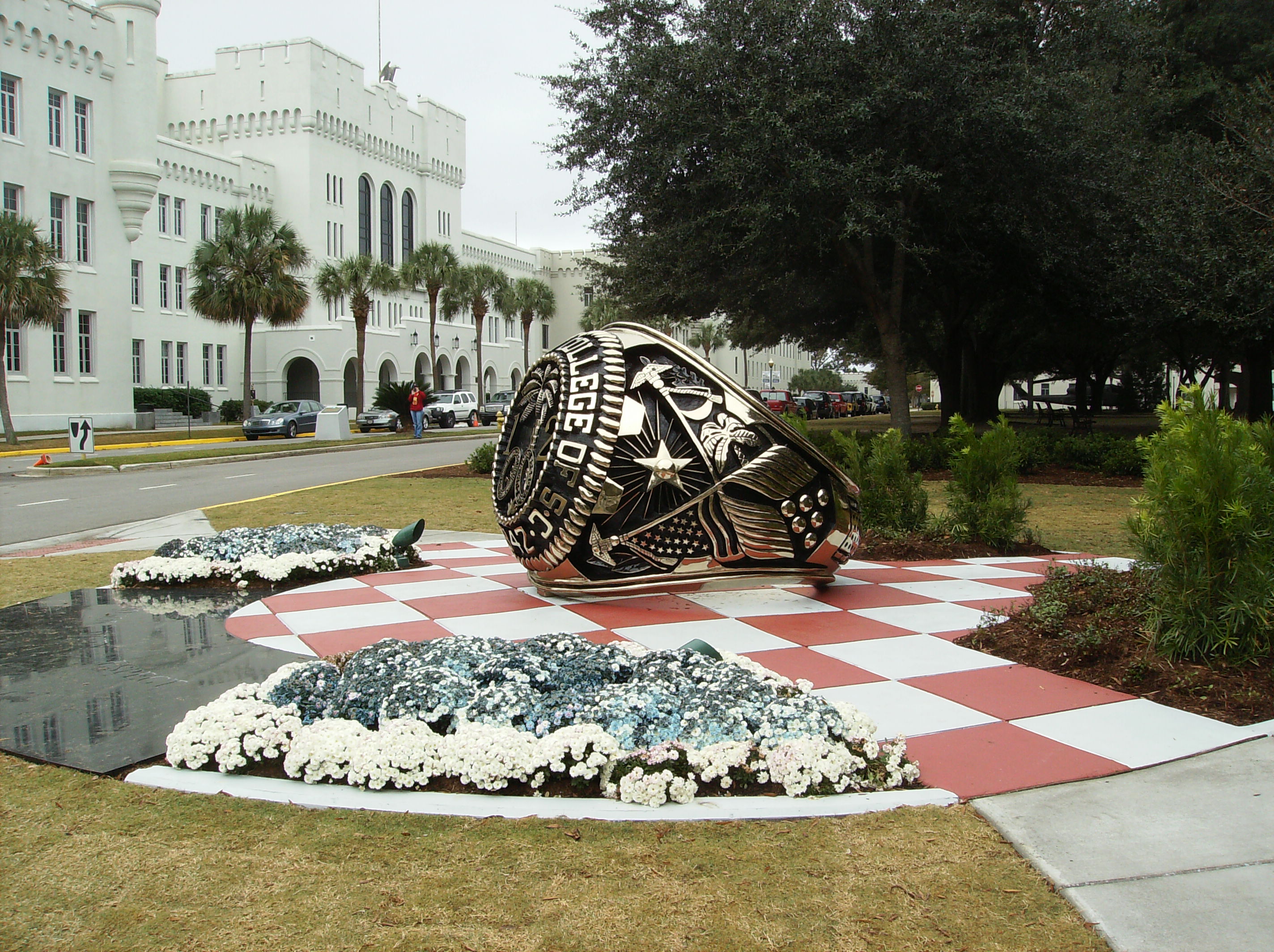
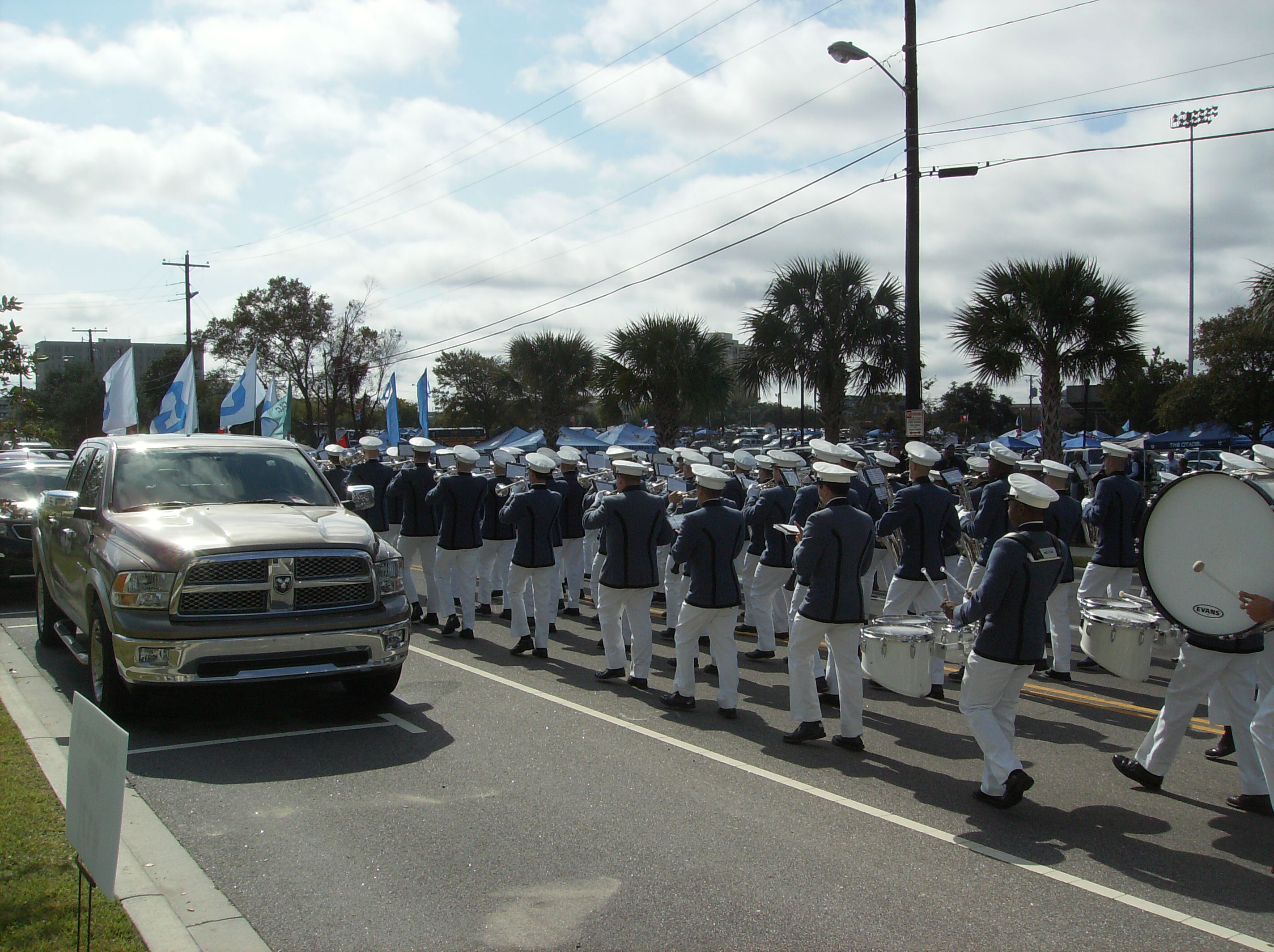
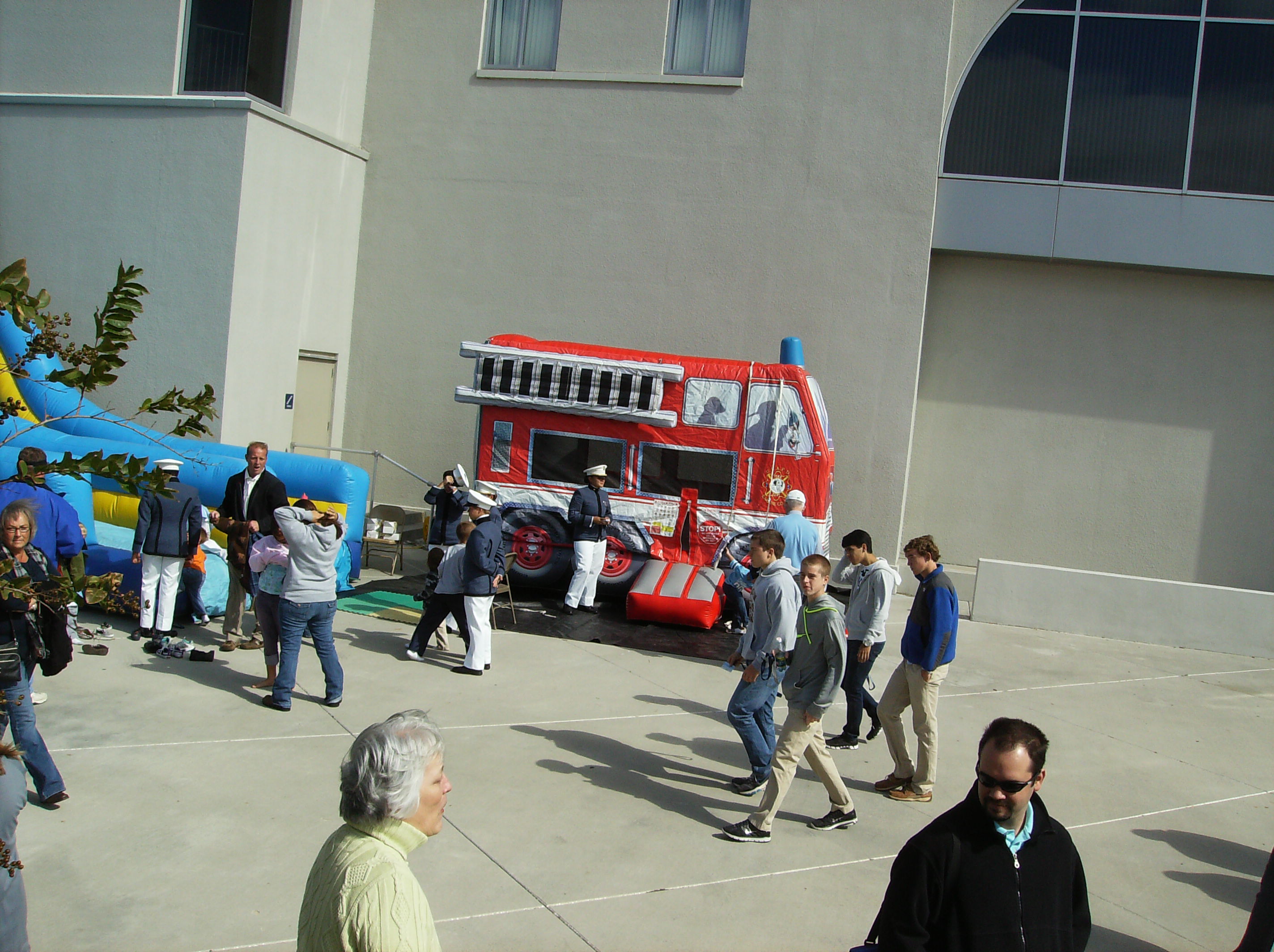
Besides the “action” shots at the football game, there are pictures of the marchover.

2012 Football, Week 10: The Citadel vs. VMI

The Citadel at VMI, to be played at Foster Stadium in Lexington, Virginia, with kickoff at 1:30 pm ET on Saturday, November 10.  The game can be heard on radio via the twelve affiliates of The Citadel Sports Network. Danny Reed (the “Voice of the Bulldogs”) will call the action alongside analyst Josh Baker, with Lee Glaze roaming the sidelines and Walt Nadzak providing pre-game, halftime, and post-game commentary. Live video of the game will be available for a fee from the Big South Network.

Links of interest:

The Citadel game notes

VMI game notes

SoCon weekly release

FCS Coaches Poll

The Kevin Higgins Show (following the game against Elon), Part 1 and Part 2

Kevin Higgins’ 11/5 press conference quotes

Catching up with…Sadath Jean-Pierre

Sparky Woods at VMI’s Quarterback Club luncheon (with a guest appearance by VMI hoops coach Duggar Baucom)

Map of VMI campus

Saturday is going to be a busy day when it comes to athletic contests between The Citadel and VMI. Most of this post will focus on the football game, of course, but around the time the fourth quarter begins in Virginia, the Bulldog hoopsters will take on the Keydet cagers in McAlister Field House as part of the All-Military Classic.

That’s not all, though. Actually, most of the Dog vs. Roo action will occur on VMI’s campus, much of it prior to the football game.

At 10 am, there will be simultaneous competitions, both at the recently renamed Saunders Fields, a/k/a the North Post complex. On one field, there will be a women’s rugby game. On another, a men’s lacrosse match. Later in the day, following the football game, there will be a men’s rugby game at the North Post.

Admission to those matches is free, with donations going to the Special Operations Warrior Foundation. Anyone who is heading to VMI for the football game ought to check out these contests as well, particularly the lacrosse match, which should be a spirited affair. An additional way to support the teams and the SOWF: buying t-shirts and hats.

Another benefit to watching the Bulldogs’ lacrosse team is getting to see their snazzy uniforms in person, as they know how to wear camo. This includes the helmets.

I wrote extensively about VMI’s gridiron struggles last year. This season for the Keydets has been more of the same, and I’m not inclined to repeat what I wrote before. Some quick observations:

– VMI is 2-7, 1-4 in the Big South. The two victories have come against Chowan and Presbyterian. Both of those wins came at Foster Stadium; on the road, the Keydets are 0-5. Average score of those five losses: 35-8. VMI will be more than happy to host The Citadel this Saturday.

– Through nine games this season, VMI has only had 20 offensive plays that resulted in a gain of 20+ yards. By way of comparison, The Citadel has had 38 such plays. The Keydets have only had one rushing play of more than 20 yards all year.

Of those 20 “big plays” for VMI, only six have gone for 30 or more yards, the same number of 30-yard+ plays The Citadel had in its victory over Appalachian State.

– VMI is 0-7 when trailing at halftime, despite the fact that the Keydets have only suffered two early blowouts (against Coastal Carolina and Stony Brook). VMI has hung around in most of its losses, generally trailing by about ten points at the break.

The reason the Keydets haven’t been able to mount a few successful comebacks is simple: VMI can’t score (10.6 ppg).

– Sparky Woods spoke at VMI’s Quarterback Club luncheon about the Keydets’ most recent game, the 45-7 loss at Stony Brook (you can see that at one of the above links). He also discussed the matchup during the Big South teleconference, but Woods was speaking to a different audience in Lexington and his comments reflected that.

He seemed to emphasize the transient nature of Stony Brook’s roster when talking to the QC, saying something to the effect that VMI did not face many players actually recruited out of high school by the Seawolves, but rather a squad made up largely of transfers, including a former Iowa running back and refugees from Hofstra’s now-disbanded program.

I don’t think Woods was being defensive; rather, he appeared to be matter-of-factly explaining the way of the world to his audience. Stony Brook’s football program is leaving the Big South after this season, and because of that it may have been easier for Woods to outline the differences between the two squads.

– Since Stony Brook is leaving the Big South, I have a suggestion for the VMI administration: go ahead and take advantage of the extra non-conference game created by the Seawolves’ departure by scheduling an easy win.

VMI desperately needs to get that “no winning seasons since 1981” monkey off its back. The simplest way to do that is to schedule as many sure-thing victories as possible.

If the Big South is going to be a six-member league in football for a while, that means the Keydets will play five conference games each season. I’m assuming VMI needs to schedule a “guarantee” game each year. The remaining five contests, though, ought to include The Citadel and four teams the Keydets should expect to beat.

I realize VMI has long-cherished rivalries with Richmond and William & Mary (although the Tribe is not on the schedule this season), but I think it is more important long-term for Keydet football to develop some momentum, and to do that VMI needs to win some games. Right now, VMI is not going to pick up victories against those two schools (the Spiders won this year’s meeting in Lexington 47-6, the tenth straight win for UR in the series since VMI joined the Big South).

I think VMI should try to get four out-of-conference “gimmes” on the slate. Win those, pick off a couple of Big South opponents (more than manageable), and suddenly the Keydets wind up with a winning season.

– VMI has a new defensive coordinator this year, Jeff Farrington. He is a 1982 graduate of The Citadel, and is thus part of a semi-tradition of sort: grads from one of the military colleges coaching at the other (like Bobby Ross and Cal McCombs).

– This will be the second time VMI has faced a triple option team this season. The Keydets played Navy earlier in the year, losing 41-3. VMI trailed by just ten points (13-3) at halftime of that game, partly because Navy shot itself in the foot on multiple occasions, but also because the Keydet D played fairly well in the first half.

Considering that fifteen of the twenty-two players on VMI’s defensive two-deep are freshmen, sophomores, or redshirt sophomores, that wasn’t a bad effort. Nosetackle Charlie Jones and left end Shawn Chapman are the only seniors on VMI’s depth chart for defense.

VMI lined up against Navy in a five-man front, just as it did against The Citadel last season. For an extensive and excellent explanation of how the Keydets defended the triple option, and what Navy did to combat what they were doing, I highly recommend The Birddog’s post about the game, complete with video analysis:

VMI spent the game in a 5-man front, which meant that we saw a lot of zone dives and zone options. The coaches like to run the zone dive against odd fronts– or any front where the defense has someone lined up directly across from the center– because it’s an easy read for the fullback. The fullback reads the DT and runs to the opposite side of the center that the DT plays.

Navy actually didn’t run a lot of “true” triple option plays in that game, because of how VMI was playing defense.

– VMI has had the same starting eleven on defense in all but one game this season. One of those starters, free safety Adam Morgan, saw action against The Citadel last season as a quarterback, backing up Eric Kordenbrock.

Morgan was the Big South defensive player of the week on October 8 after intercepting two passes against Presbyterian. He is the only Keydet to receive league player of the week honors this season.

– At Kevin Higgins’ weekly press conference, the two Bulldog football players who spoke to the media were defensive lineman Bay Amrhein and offensive guard Jim Knowles. I was reminded again that there is a significant element of educational/life experience in intercollegiate athletics when Knowles (a native of Florida) said the trip to VMI would be the first time he had ever been that far north.

– Higgins noted that the Keydets lead the Big South in pass attempts. What he was polite enough not to say was that while VMI does lead that league in pass attempts, it is only fourth in the Big South in completed passes.

VMI is last in the Big South in scoring offense, total offense, rushing offense, and red zone offense. It is next-to-last in offensive pass efficiency, first downs made, turnover margin, and penalties committed.

Kevin Higgins singled out Keydet wide receiver James Rogers as someone to watch. Rogers is actually listed as a backup on the two-deep, but leads the team with 32 receptions, including an 80-yard TD grab against Gardner-Webb.

– The Keydets are not strong in special teams play. VMI is last in the Big South in kickoff return average and net punting, and next-to-last in kickoff coverage. The Keydets have only converted four of nine field goal attempts. What VMI is fairly good at is returning punts.

Fans who attended last year’s game at Johnson Hagood Stadium between these two teams will remember that VMI’s punt unit was — well, it was terrible, to be honest. The Citadel blocked three punts in that game.

This year VMI has tightened things up, only allowing one blocked punt all season.

– Conference opponents have committed more penalties against VMI than any other Big South team, which suggests that sloppy play can be viral. The Bulldogs have to be careful on that front after committing a higher-than-normal number of penalties against Elon.

Should The Citadel win this game on Saturday? Yes. Is it a lock? Absolutely not.

I can recall a few VMI teams a lot worse than this year’s edition giving The Citadel a hard time. I remember 1986 and 1989 all too well (especially 1986, the game that sealed Tom Moore’s fate as head coach of the Bulldogs).

That’s the nature of a true rivalry. People remember plays that happened decades ago, like Brian Ruff’s stop to clinch the 1975 game, or the back-to-back TD runs by Gene Brown in 1988.

I won’t be surprised at all if Triple O’Higgins struggles in the first half against VMI’s defense, which is probably better than its statistics suggest. The Bulldogs need to remain patient on both sides of the ball. The Citadel also must take advantage of its solid edge in the kicking game.

This is a big game, not just because the coveted Silver Shako is on the line, but because a victory would clinch a winning season for The Citadel. If the Bulldogs finish with at least six wins, they will have accomplished their primary goal.

I think it’s going to be tougher than expected on Saturday for the Bulldogs. VMI will be ready to play. A win over The Citadel will make the Keydets’ season.

It will be a challenge. The Citadel must meet that challenge.

Conference realignment, SoCon style: the College of Charleston is (probably) heading to the CAA

Update: Conference realignment, SoCon style: Is it nitty-gritty time?

I wrote about potential changes in Southern Conference membership over the summer. Now, something has actually happened…

After a somewhat contentious meeting, the College of Charleston’s Board of Trustees voted 12-5 “to begin negotiations with the Colonial Athletic Association”:

The board met for 90 minutes before passing a resolution to open official talks with the CAA. The resolution, which passed by a 12-5 vote, does not guarantee the Cougars will join the nine-member league. The College of Charleston has been in the Southern Conference since 1998.

The final vote is expected to come at the board’s next scheduled meeting in January, although a vote on the school’s athletic conference affiliation could come before the start of the new year, according to board members.

While it’s not guaranteed that the CofC is moving to the CAA, it’s all but assured, barring some unexpected problems in the negotiations.

The biggest immediate issue for those negotiations, it appears, is travel expenses. While some observers thought the estimate put forward by the school was too high, others within the college weren’t sure it was high enough.

I think the CofC’s move was “sold” to some of the BOT members as part of a larger migration from the SoCon to the CAA, a shift that would have created a “CAA South” division with Davidson and one or more of Appalachian State, Elon, and Furman.

When Davidson decided to stay in the Southern Conference, that scenario essentially ceased to be a possibility. As a result, the CofC had to recalibrate its travel expenses.

The move by the CofC, assuming it comes to pass, is being made almost exclusively for the benefit of the men’s basketball program, platitudes by the school’s president notwithstanding. For the school’s other varsity sports programs, it is basically a wash, with the notable exception of baseball, which will suffer greatly from the transition.

However, while none of those other programs really mattered in the decision, they did provide good drama. At the occasionally confusing BOT meeting, board member and baseball supporter Jeff Schilz had this to say:

This move is made assuming there’s more money in the CAA. This is a men’s basketball decision and they would have to reach goals they haven’t reached in a while.

Schilz wasn’t finished. He also opined that “our athletic programs have been ignored by the [CofC] administration” and questioned the stability of the CAA, at least as compared to the SoCon.

All of the above quotes came in the BOT meeting. The proceedings were “live-tweeted” by several different media members, a very 21st-century (and cool) development. One of the more interesting tweets came from WCIV-TV sportscaster Scott Eisberg:

Schilz says he knows 1 sport that will lose 4 recruits if they go. Audible to me,Natasha Adair says,’what abt teams that will gain recruits’

Adair is the new women’s basketball coach at the College of Charleston. I wouldn’t advise inviting her and Schilz to the same party.

I don’t know if the move will be a good one for the CofC. I tend to doubt it, but I could be wrong. At any rate, the school has every right to make a mistake. It’s the American way.

When you shake out all the pluses and minuses (exposure, travel, recruiting, etc.), it comes down to this: is the CAA really a multi-bid league? Because if it isn’t, the CofC leaving for basketball reasons but staying in a one-bid league is very hard to justify. I suspect that Davidson passed on joining the CAA at least partly because it wasn’t sure the CAA would regularly put two and three teams into the NCAA tournament.

Since 1987, there have only been three years in which the CAA received at-large bids: 2006, 2007, and 2011 (when it got two at-large bids). While that recent run does suggest upward mobility for the conference, two of the three schools largely responsible for that success have left (Virginia Commonwealth) or are leaving (Old Dominion) the league.

The other school that has carried most of the league’s water in hoops, George Mason, could easily bolt for the Atlantic 10 if that conference made an offer. (There have also been football-fueled rumors about James Madison and/or Delaware eventually leaving the CAA.)

Last season Drexel won the CAA regular season title (with a 16-2 conference record) and advanced to the league tourney final, but did not get an at-large bid to the NCAA tournament, thanks in large part to an unbalanced league schedule and a poor non-conference slate. If a 16-2 CAA team can’t get an at-large berth in the NCAAs (and that was with VCU and ODU in the conference), then it seems unlikely the Colonial will be a multi-bid nirvana going forward.

 —

Okay, so the CofC is (probably) gone. It’s just as well, too, given Joe Hull’s comments about the Southern Conference earlier last month. As soon as the diplomacy-averse Hull made his remarks, I believe every fan and journalist affiliated in some way with the league pointed out that the school hasn’t won the “invisible” SoCon in hoops this century.

What does the College of Charleston leaving mean for the SoCon…and what does it mean for The Citadel?

The league has three options: A) do nothing, B) add one school to replace the CofC, or C) add three more schools to get to 14.

Moving to 14 schools would be a way to solidify the SoCon in the short-term while protecting the league from the eventual departures of Appalachian State and Georgia Southern, assuming those schools get an invite from an FBS league in the near future.

I want what is best for The Citadel. Is what is best for The Citadel also what is best for the league? Maybe.

At this time, I don’t see why the league has to expand to 14 schools, although there are indications that is a possibility. I also don’t think it’s absolutely vital to immediately find a twelfth member. The league can afford to wait.

Appalachian State and Georgia Southern don’t have their FBS tickets punched yet, and may still have to wait a while (particularly GSU). I think league decisions should be made based on the general idea that both schools will be around for at least another year, but will leave in the next five years or so.

The SoCon’s biggest membership issue is that it is made up of several different groups of schools which have competing interests — from the smaller schools, to the larger ones, to the universities west of the Carolinas, to the institutions that don’t have scholarship football programs.

The league has historically always been a mishmash of schools, of course. However, trying to get everyone to agree on potential “adds” for the conference could prove especially problematic right now.

It has been suggested in various places around the internet that a “compromise” could be in the works, one that would be agreeable to the smaller school bloc (most of the private schools, plus The Citadel) and the larger schools (App State, GSU, etc.). This would result in the league moving to 14 schools by adding one private and possibly two larger public schools, in an effort to appease the bigger schools and also the institutions west of the Carolinas (which want company on their side of the league).

I don’t think that would be in the best interests of The Citadel. Depending on the schools involved, it also would be close to anathema for Furman and Davidson. I find it hard to believe Davidson would have elected to remain in the SoCon knowing there was a good chance the conference would be adding multiple schools with significantly different institutional profiles.

As for the other schools in the league, I am less certain. For example, take the North Carolina universities. Elon is a bit of a wild card; I’m not going to even try to guess what its decision-makers may be thinking. UNCG is a non-football school with limited history in the league. Western Carolina is a smaller public school (as compared to Appalachian State and Georgia Southern) in a relatively remote location.

I’ve seen all kinds of schools mentioned as possible new SoCon members. Some of them may have little to no interest in joining the league; some of them would name all their incoming freshmen after John Iamarino in order to get in the club. Below are my comments, opinions, etc., about a few of these schools. Remember, I’m doing this with a bias. I want what is best for The Citadel.

Do I have insider knowledge on any of this? Nope. If you read something on the internet from someone who claims to have insider knowledge on any of this, should you believe that person? Nope.

Let’s start with the favorite to be the next school to join the SoCon.

– Mercer: mentioned by an actual media person, Adam Smith, who seems to have a decent handle on SoCon info. Would make sense on a lot of levels. Mercer is just starting its football program, which will begin as a non-scholarship entity. Still, a natural replacement for the football-free CofC.

Negatives: no scholarship football (yet). Could be blocked by larger schools that want the aforementioned compromise so as to jam two or three big public universities into the league.

After Mercer, there are no obvious picks.

– Virginia Military Institute: left the league a decade ago. Would probably like to come back. I could see all the privates plus The Citadel favoring VMI’s return.

Negatives: league currently has nine football schools, and a nine-game SoCon schedule could be tough to implement. The alternative is to not have a round-robin.

Another consideration is that VMI has been terrible in football for 30 years. That counts (and is why it left the league in the first place). I could see VMI making a return to the SoCon when App State and/or Georgia Southern depart. If the league went to 14, I am not sure VMI would be one of the three additions.

– Coastal Carolina: ah, here comes controversy…

This is the school many of the larger state schools want in the league (at least, their fans do). So which schools are not so crazy about CCU joining the SoCon? That would be Furman, The Citadel, and Davidson. I am not as sure about Wofford, although I would think it would be in the same group.

From the perspective of The Citadel and Furman, adding another, larger South Carolina school with a different mission and budget is a complete non-starter (and another Palmetto State school also may not sit well with Samford and Chattanooga). It doesn’t benefit either S.C. school. I also suspect longtime SoCon types look at Coastal Carolina and think “Marshall II”, and one Marshall was enough for a lot of people.  That may be unfair to CCU, but it’s reality.

Also, I don’t think Appalachian State’s and Georgia Southern’s wishes (in terms of new members) should even be considered by the other schools. App and GSU have stated they want to leave, and they eventually will, which is fine. However, why should the schools remaining in the conference make a decision on league membership for the benefit of schools that aren’t going to be in the SoCon much longer? That would be stupid.

– Kennesaw State: reportedly discussed in the league’s meeting in June. From an April article in the Marietta Daily Journal:

One of the big challenges for Kennesaw State’s athletic programs will be to find a conference before the football team kicks off its inaugural season since the Owls’ current conference, the Atlantic Sun, does not sponsor football. [New Kennesaw State AD Vaughn] Williams said he has had some preliminary conversations with representatives from the Southern Conference and the Ohio Valley Conference about joining their leagues in the future.

I could see Chattanooga and the other state schools in favor of Kennesaw State, which I suppose would be part of a three-school add-on, with Mercer and some other institution. KSU won’t start its football program until 2014. It would basically be like adding UNC Charlotte to the league.

Would adding such a school to the SoCon be in the best interests of The Citadel? Not really. Could it happen? Sure. Trying to get into the Atlanta market would be the major justification for inviting Kennesaw State.

– South Carolina State: allegedly was also discussed at the (surely infamous) June league meeting. It is hard to imagine the league seriously considering SCSU, which has a host of institutional problems, including serious financial issues. SC State has had more school presidents in the last five years than Western Carolina has had league victories in football.

I also have my doubts that it would be in South Carolina State’s best interests to leave the MEAC in the first place.

– Tennessee Tech: located in Cookeville, Tennessee. Public, but on the small side (around 10,000 undergraduate students). Would appeal to Western Carolina, Chattanooga, and probably Samford. Whether or not the conference wants to venture any further from its current geographic footprint is open to question.

As far as The Citadel is concerned, it is probably a more palatable option than any of the above-mentioned schools save Mercer and VMI. Tennessee Tech is in the OVC and I am not sure why it would want to leave that league.

– William & Mary: would be a great get, but is not happening unless the CAA implodes, and even then W&M’s first choice would likely be the Patriot League.

– Richmond: would only join the SoCon as a football-only member if the CAA dropped football sponsorship, as UR is happy to have its hoops program in the A-10.

I don’t see any school joining the SoCon as a football-only member. I saw a report suggesting Kennesaw State might be interested in this option. That should not happen, and I don’t think it will.

– Presbyterian: another Palmetto State school, which is PC’s biggest problem. Furman and Wofford aren’t interested in “elevating” the Blue Hose.

– Jacksonville: I wrote about JU in September of 2011, when I previewed The Citadel’s football season opener against the Dolphins that year. JU has potential (and a good market), but it’s another non-scholarship football program.

– Jacksonville State: wants to go FBS, like App and GSU. I don’t see the point of adding a member school like that. I doubt JSU does either.

– Liberty: see the entry for Jacksonville State.

– East Tennessee State: dropped football, dropped out of the SoCon. Now may want back in, though it still doesn’t have football. I’m not sure how serious a possibility ETSU is as things currently stand. Would not be the first choice for any of the current league members with the possible exception of Chattanooga.

A few other schools have been mentioned in passing, including Gardner-Webb, High Point, Murray State, Winthrop, Eastern Kentucky, North Alabama, and West Georgia. I don’t see any of them as realistic options for the SoCon (though I could be wrong).

A slightly different question: is the College of Charleston leaving the SoCon good or bad for The Citadel?

The real answer to that question is “to be determined”. Ultimately, though, it will depend on two things:

1) Which (if any) schools replace the CofC in the league

2) What (if anything) The Citadel does to take advantage of the CofC leaving

The Citadel has something to say about the first item, and everything to say about the second.

If the school(s) that replace the College of Charleston in the SoCon are from The Citadel’s perspective “like” institutions (smaller schools, good academics, etc.), then the CofC leaving will present the military college with an opportunity. That opportunity is greatly lessened if the new member schools do not fit that profile.

With the College of Charleston’s departure, The Citadel takes complete control of the Charleston market for the SoCon, and that’s a good thing. The Charleston area will, in my opinion, more easily identify with a football conference that has a long history, and that has “familiar” schools (like Furman and Wofford). The Palmetto State is, ultimately, a football state.

The Charleston market has also already proven over time to be supportive of SoCon baseball (with its long tenure as the league tourney host). That reminds me: it’s time for John Iamarino to step up and give the Low Country a long-term contract to host the tourney again.

Speaking of baseball, it’s possible that Monte Lee’s loss will be Fred Jordan’s gain in terms of recruiting for their respective programs.  I think Coastal Carolina may also benefit from the CofC joining a lower-tier baseball conference (and Charleston Southern will have something to say about it as well), but it won’t hurt The Citadel at all to pick up impact local recruits who want to play against quality opposition closer to home.

I also wouldn’t be surprised if a few other varsity sports at The Citadel benefit from the “only local school in the local league” phenomenon.

What The Citadel needs to do is get the message out to the local populace that the Bulldogs are the hometown team of choice, especially in a football-crazy state that also loves its baseball. It should be, to steal a term from college basketball officiating, a “point of emphasis”. I know that is already happening, but now more than ever it is a strategy that needs to be pushed.

I just named three sports in consecutive sentences. That means it is time to wrap this up…

The next few months are going to be very interesting for fans of the Southern Conference. Few other leagues have the potential for divisiveness quite like the SoCon, thanks to its disparate membership. For The Citadel, it is important that the school’s administration looks out for the school’s best interests, even if they are not in line with what league officials may propose.

This is not the time to “go along to get along”. Earlier, I mentioned three SoCon options. One of them was to do nothing and stay at eleven schools. There is nothing bad about that option right now. If the alternative is something that is not optimal for The Citadel, then the school should not be afraid to be intransigent.

We’re good at that.

Putting together The Citadel’s 2012-13 hoops schedule

It’s that time of year when I try to figure out The Citadel’s upcoming basketball schedule before it’s been released. Why do I do this? I have no idea. Marking time until football season begins, I suppose. Anyway, some quick thoughts:

Phil Kornblut interviewed Chuck Driesell recently; you can listen to that here. In the interview, Driesell stated that The Citadel will play fourteen home basketball games this season, and that the first six of those would come in a season-opening homestand at McAlister Field House.

The first two games at McAlister will come at the All-Military Classic against VMI and either Army or Air Force. It doesn’t appear at this time that those games will be played on the U.S.S. Yorktown, as had been rumored. It is possible that the game against VMI could still take place on the carrier, but I tend to doubt it.

Those games will take place on November 10 and November 11. Yes, The Citadel will play VMI in both basketball (at home) and football (on the road) on the same day. That doesn’t strike me as ideal.

After those two games, then, The Citadel will play four more home games before its first road game, which presumably will be the December 1 game against UNC-Greensboro (which has already released its schedule).

There are eighteen games in SoCon play. Nine at home, nine on the road. If The Citadel is opening with six straight home games, then one of them has to be a conference game. That’s because if all six were out of conference, the Bulldogs would be playing 15 home games (those six, plus the nine league matchups).

Since the number of home games is 14, one of the six has to be against a fellow SoCon squad. I’m guessing the date of that game is November 28, based on the recently released Furman schedule.

The other OOC home game that is “known” is Radford. The Citadel will host the Highlanders on November 24. That leaves two more non-conference games at McAlister to be determined.

If The Citadel is playing five OOC home games, then the Bulldogs will be playing six non-conference games on the road. Three of those have already been announced via the release of opponents’ schedules.

The Citadel will play at St. Bonaventure on December 19. Three days later, on December 22, the Bulldogs will travel to Atlanta to play Georgia Tech. Then on January 1, 2013, The Citadel will travel to Clemson.

Larry Leckonby is on record as stating that for budgetary purposes the basketball team was asked to schedule at least three “guarantee games” this season. I’m not positive that the three games mentioned above fit the bill, although they probably do. I am unsure about Clemson, as that game may be part of a previously arranged deal (since the Tigers played at McAlister last season). I am a little curious about the St. Bonaventure game, to be honest.

As for the remaining three road OOC contests, I am assuming (very dangerous, assumptions) that one of them will be against Charleston Southern, which played at MFH last year. As for the other two games, I don’t really have any idea, although I wouldn’t be all that surprised if one of them is another guarantee game.

That’s all I’ve got on the schedule front right now.

Waiting on college football season…hurry up already!

This is a post featuring meaningless gridiron musings, and it’s not even June yet.

I saw this chart on Phil Steele’s site a couple of days ago. It’s an interesting look at the percentage of lettermen returning for each FBS team, although perhaps not really indicative of how a team may do this season. For example, I suspect that Southern California, next-to-last in the category, is still going to be really good.

North Carolina State, which will play The Citadel in late September, is also near the bottom of the list, with a lettermen return rate of 59.6%. That got me thinking, what’s The Citadel’s return rate? It turns out to be not much higher (62.9%).

I compiled a similar list of The Citadel’s opponents this year in a chart. Well, not all the opponents, for the simple reason that I couldn’t find readily available numbers. I found practically no information about Charleston Southern’s returnees, to name just one school, although I would imagine that since the Buccaneers were 0-11 last season there are going to be some changes.

I have return/loss statistics for eight of the eleven schools playing the Bulldogs. As I get more information for the others, I’ll add those numbers to the chart.

Anyway, this is what I came up with for eight opponents, plus The Citadel (excuse the less-than-stellar presentation):

Team     2011 L’men     Lost         Returning   % Returning

Appy           55                22                 33       60.0%

GSU             80                24                 56       70.0%

NCSU          52                 21                 31       59.6%

Wofford      64                 17                 44       68.8%

WCU           63                 21                42       66.7%

UTC            65                 20                 45       69.2%

Furman        62                 17                 45       72.6%

VMI          54                   19                    35       64.8%

The Citadel  62                 23                 39       62.9%

Among returning offensive and defensive starters, Chattanooga returns 16 of 22 (8 offensive/8 defensive); Georgia Southern, 15 of 22 (8/7); Appalachian State, 14 of 22 (5/9); North Carolina State, 14 of 22 (7/7); Western Carolina, 14 of 22 (8/6); VMI, 11 of 22 (5/6); and Furman, 14 of 22 (6/8).

Some links, if you’re interested or bored or both:

Appalachian State 2012 Preseason Prospectus

Georgia Southern 2012 Quick Facts

A report from Charleston Southern’s spring game

Wofford 2012 Quick Facts

Chattanooga 2012 Spring Notes

Furman 2012 Quick Facts

VMI 2012 Quick FactsNewspaper report on VMI spring footballschool report on final spring scrimmage

Western Carolina 2012 Quick Facts and A report from Western Carolina’s spring game

Samford 2012 Prospectus

A report from Elon’s spring game

North Carolina State 2012 Spring Prospectus

Phil Steele’s team page for The Citadel

Jeff Hartsell’s writeup of The Citadel’s spring game (over two months ago, sure, but in case you missed it)

Less than 100 days to go…

Why The Citadel needs to sponsor more varsity sports (and a few other things)

The Citadel needs to sponsor more varsity sports. Yes, roll those eyes. I know the money isn’t there right now. It’s also true that some of our existing varsity sports could stand improvement, both on the field/court and in terms of resource allocation.

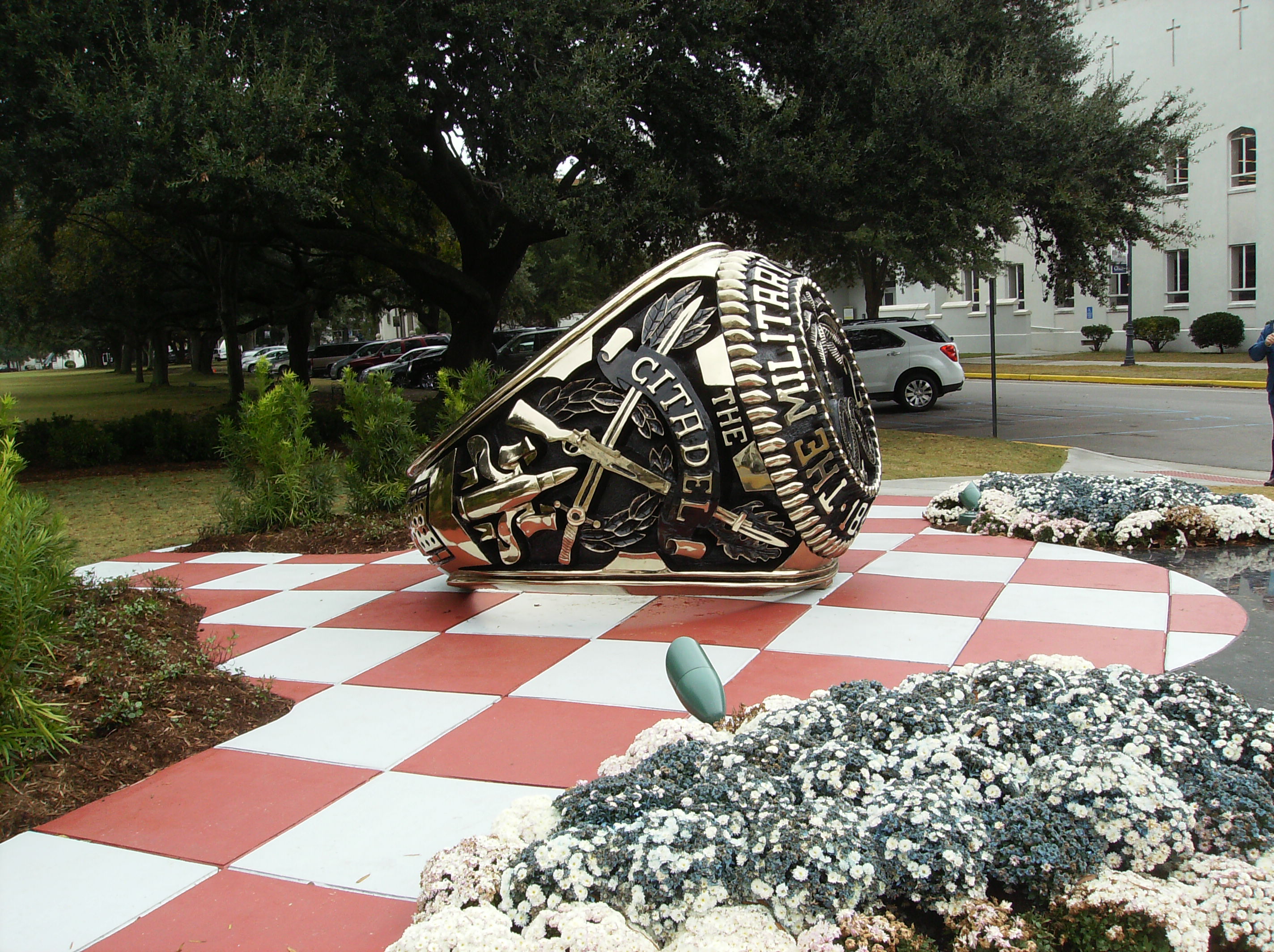
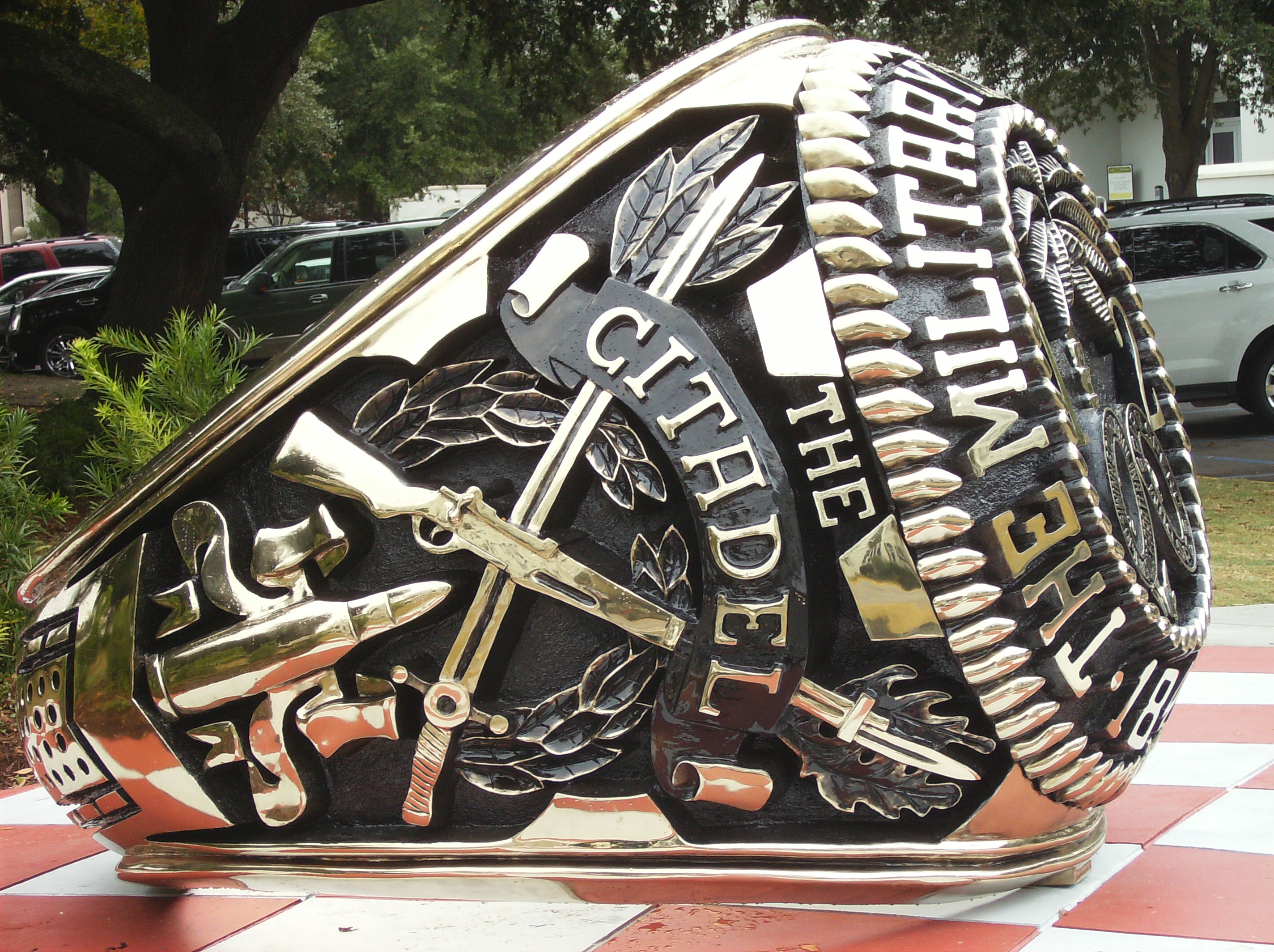
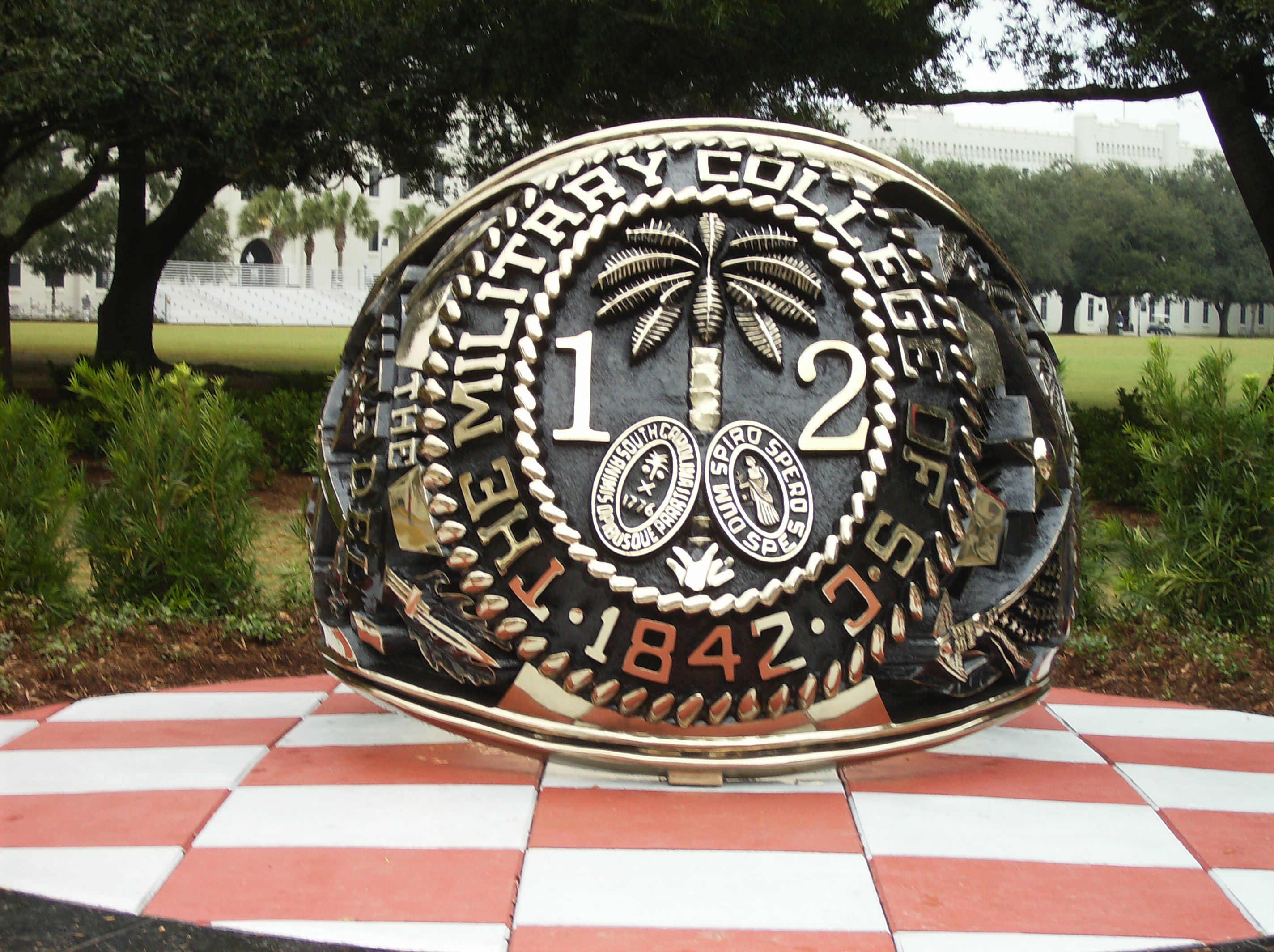
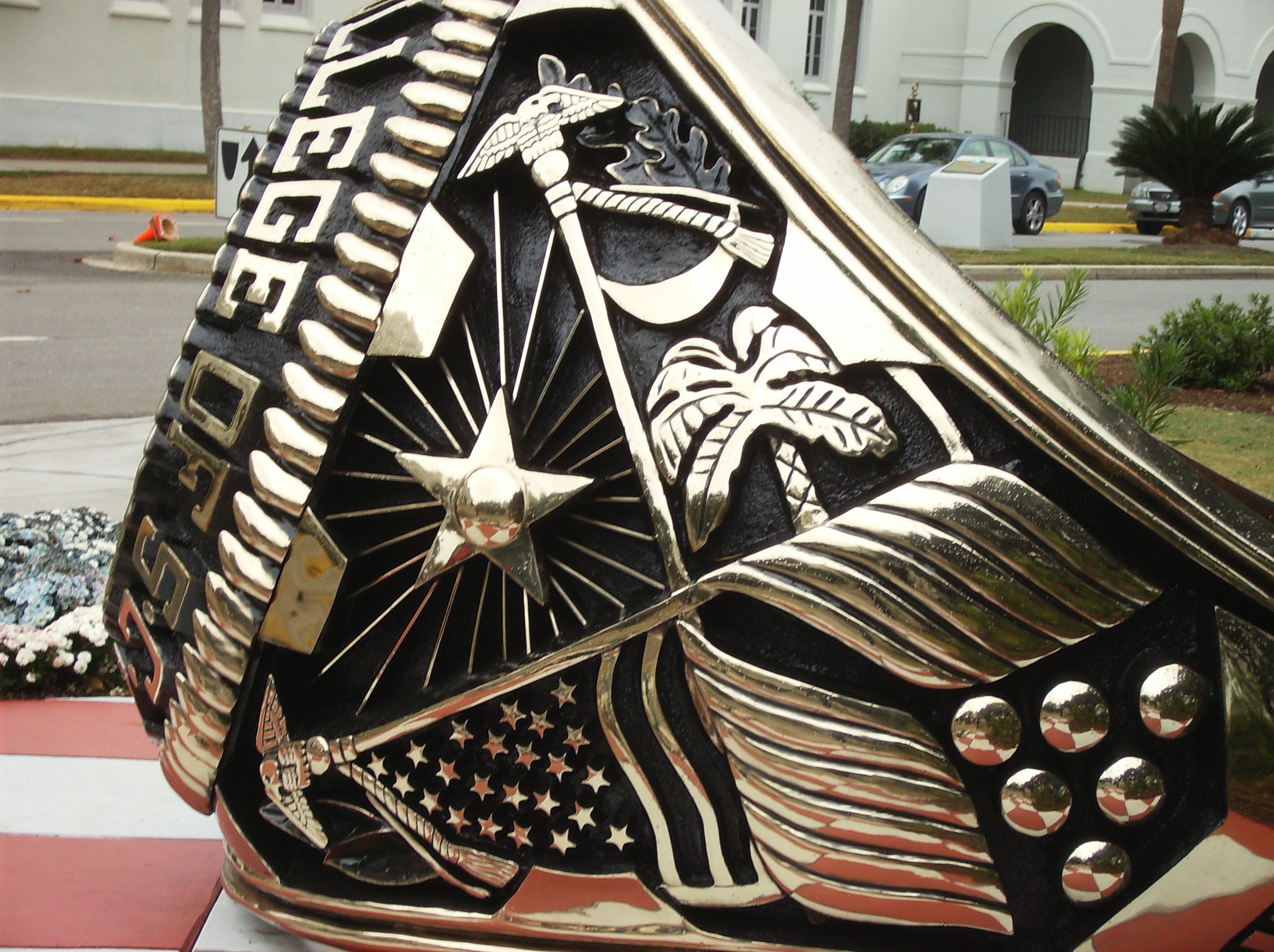
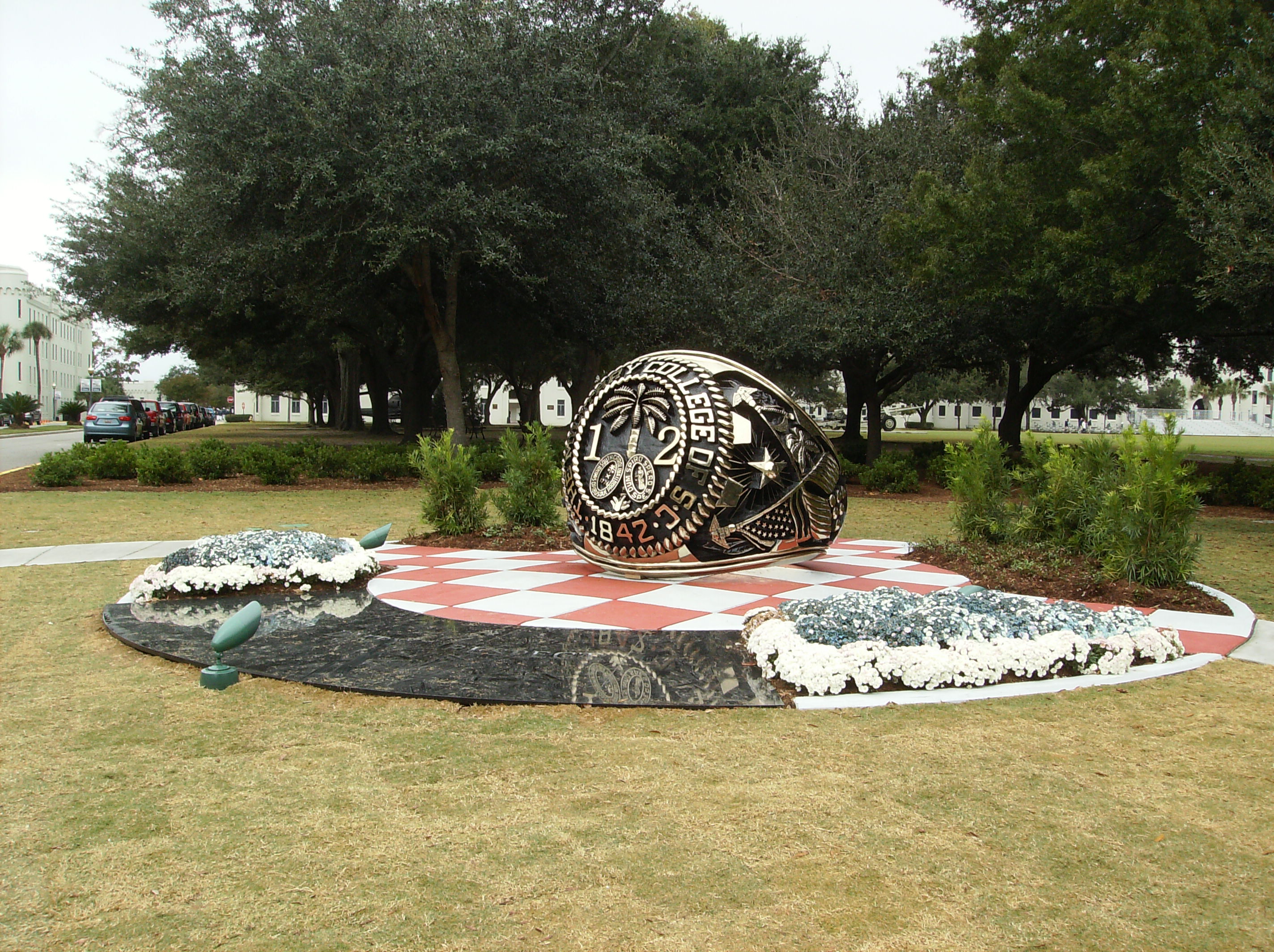
Before I get started on this ramble of a post, I want to issue a caveat bigger than the new Ring Statue, especially for people who might have accidentally wandered into the path of this little blog for the first time. There are things I know a little bit about, and can opine on with some confidence. I know that Chal Port was a great baseball coach. I can discuss how Rabbit Maranville, famous in his day, is now underappreciated. The Citadel defeated South Carolina in football in 1950; I have a fairly good grasp of the enormity of that upset. The “hold” statistic in baseball is flawed, and I can tell you why.

There are other things I don’t understand quite as well. Lots of things. It has become apparent to me in recent days that higher education is one of those things, particularly in regards to my alma mater. I remember when I was a cadet that there always seemed to be a lot going on around campus that I didn’t really understand, and never would. The same is true today.

That makes this post a bit different from my usual efforts, which I like to think are fairly precise in terms of information and analysis. Because the subject is important, though, I decided to press forward. I apologize in advance for anything outlandishly stupid. I don’t apologize for anything that is simply outlandish, though — this is something of a big-picture essay, more conceptual than specific.

Please keep that in mind. I’m not really crazy. At least, I don’t think I am…

Quick tangent before I go into blogging overdrive: speaking of resource allocation, The Citadel has the top college rifle range in the nation. This is a sport in which the school could conceivably win an NCAA title. However, The Citadel currently only offers 1.5 scholarships in rifle, while the NCAA maximum is 3.6 schollies.

I know I’m spending money that’s not mine (I’m going to be doing that throughout this post), but it seems to me that with such a great facility, and being a military school that might naturally attract people who like shooting things, it wouldn’t be a bad idea to maximize schollies — especially when that would only take a little over two more scholarships.

If The Citadel won an NCAA title, I would shortly thereafter go to the South Carolina Statehouse and take a picture of the top of the building. Since the state legislature has set a precedent with a Gamecocks flag flying atop the Statehouse following South Carolina’s CWS titles, I would very much enjoy seeing “Big Red” waving proudly above the dome.

The reasoning behind my suggestion that The Citadel needs more varsity sport options goes to the heart of where the military college is now as an institution, and where it will be in the future. I suspect some will disagree (perhaps strongly so) with my point of view, in terms of what the school is and could be. That’s okay. It’s the discussion that is most important. What follows may be a flight of fancy. Just humor me.

I have been thinking about this topic for a long time, but while a lot of this isn’t necessarily about college athletics, what actually inspired me to finally sit down and do some typing (and a fair amount of research) were two recent sports stories:

Furman received a $5 million contribution to establish men’s lacrosse and women’s lacrosse as varsity sports

VMI’s women’s water polo team played its first match ever, wearing swimsuits with supersized logos

With the addition of the two new lacrosse programs, Furman will have 20 varsity sports. VMI’s addition of women’s water polo brings its total to 17 varsity sports. The Citadel, despite having about six hundred more undergraduate students than VMI, has only 15 varsity sports.

Note: I am counting rifle as one sport, not two, as it is a co-ed sport in NCAA competition. Indoor and outdoor track are counted as separate sports, and that is the case for both the men’s and women’s teams.

Of course, you can’t directly compare the scope of a school’s varsity sports offerings simply by number of teams. Some of those sports may be fully funded, some may not. Still, it is apparent that The Citadel does not have nearly as diverse a collection of varsity sports as some of its peer institutions. A partial list:

The Citadel – 15
Elon – 17 (once women’s lacrosse is added, with possibly more to come)
VMI – 17
Samford – 17
Wofford – 18
Richmond – 19
Furman – 20 (when lacrosse programs are added)
Davidson – 21 (non-scholarship football)
Lafayette – 22 (non-scholarship football)
William & Mary – 23
Lehigh – 25 (non-scholarship football)
Colgate – 25 (non-scholarship football)
Bucknell – 27 (non-scholarship football)

While Lafayette, Lehigh, Colgate, and Bucknell currently field teams that play FCS football without offerering athletic scholarships, that will change beginning in 2013, as the Patriot League schools move to athletic financial aid awards in football. That decision has a number of ramifications, a couple of which may directly affect The Citadel.

As one of those links points out, northern schools will shortly have more options when scheduling FCS schools. A few years ago, The Citadel played Pittsburgh in a “money game”, but going forward Pittsburgh could schedule Bucknell or Lehigh instead and count the game toward its win total for bowl eligibility, something that couldn’t happen if those schools remained non-scholarship for football.

[Edit, 3/26/12: Actually, it was possible for a Patriot League school to be a “counter” in the past, depending on whether or not it averaged 56.7 or more football “equivalencies” (athletic need-based aid) over a rolling two-year period. Thanks to the first commenter for spotting that error.]

It is also true that the Patriot League schools will be able to offer athletic grants in a way they could not before, and as a result will be able to compete that much more with other colleges for recruits. Kevin Higgins is just one of many coaches who likes to recruit the Mid-Atlantic region (he is on record as preferring to bring in at least one Pennsylvania recruit in each class, for example). This will presumably be more difficult in the future.

While competing with those schools for football players is one thing, what I think is even more important to realize is that going forward, The Citadel might be competing with those institutions for other students as well. Therein lies the point of much of this post, and why I listed four private schools located north of the Mason-Dixon line as “peer institutions”.

From the November 1, 2011 minutes of a meeting of The Citadel Board of Visitors:

Chair Snyder called the meeting to order and updated the Board on The Citadel Foundation’s recent board meeting.  He reported that the Foundation anticipated falling short of its fundraising goal for the year. They expect to raise around $17 million against a “stretch” goal of $24 million.  The Foundation is finalizing its strategic plan and is working closely with the college administration to formalize plans for the next capital campaign…

…Chair Snyder expressed concern that many people external to the college are thinking that the college is looking at going private.  This is not the case, however, in light of reduced state funding we must move towards the private college fundraising model to ensure our financial sustainability.

Col. Snyder (assuming that he is the person who specifically made the comment in bold) is surely correct. Despite being a state school, this is the path the college is going to have to take in order to maintain excellence.

This is not recent news, but it is a fact that in 1994, the State of South Carolina funded 40% of The Citadel’s budget. As of FY12, state appropriations had dropped to 8.8% of the school’s $89 million budget.

Whatever your opinion is on how the Palmetto State funds higher education, the bottom line is that The Citadel cannot expect to go back to the days of 1994. It is not completely out of the question that the state will someday supply no funding at all to the military college. The school must plan with that possibility in mind.

I’m sure what I’m going to say now will have some people shaking their heads, but here goes…

If The Citadel is truly intent on moving to a “private college fundraising model”, then it has to act in ways that a private college or university might. It has to offer things that private schools offer, and provide other things that private schools don’t have. It has to compete directly with those private schools for students and for donors.

That means The Citadel will have to continue to grow as an institution. That growth won’t come cheaply. The school is operating right now on an annual budget of roughly $90 million. As a comparison, Furman’s budget in 2009 was $133 million. Furman has a slightly larger student body than The Citadel currently does, of course, but I think it’s a reasonable example — a benchmark, perhaps.

A fundraising model developed with the idea of supporting the college with a yearly budget (inflation-adjusted) of $90 million may work in the short term, but over the long run I’m not sure it’s a good idea. I think the school should prepare to raise funds as if its anticipated yearly budget going forward will be around $120 million, if not more.

You don’t have to tell me, “we don’t have the money.” I know we don’t have the money. I also know how impossibly difficult raising such an amount would be.

I just think that fresh investment in the college is likely to be achieved by expanding the scope of the college in a manner that would appeal to new donors. The school will be competing against private institutions for this type of support, and I suspect that what the military college needs to be marketing is something new and tangible — i.e. endowed faculty chairs, cutting-edge library technologies, a varsity sports program or two. On the other hand, I am not sure there is someone out there who wants a plaque in return for paying off The Citadel’s deferred maintenance costs.

(Though if there is someone out there who wants to do so, he or she could get a lot more than a plaque. In fact, I am sure a bronze bust inside Bond Hall could be arranged.)

Also, while a lot of what I’m suggesting may seem almost impossible, something not dissimilar is currently taking place at another school in the Southern Conference. I’ve written about Elon’s amazing transformation on a couple of occasions before (while previewing upcoming football games, of course; priorities and all that). Elon undoubtedly has some advantages over The Citadel when it comes to raising money, including being able to do exactly what it wants with its money, but it is still a good example of what can be done with foresight, hard work, and (probably) some luck.

That isn’t to say The Citadel can’t sell people on what it has now, of course. As an example of this, the list of marketing and community partnerships the school has with various corporate entities is impressive. It includes Under Armour, Google, and Boeing, among others.

The crux of the issue for The Citadel is that the college has to act and react in ways similar to private schools while remaining a public institution. It has needs similar to those of private schools, and standards similar to (and often greater than) private schools, but doesn’t have resources many of those schools have (such as large endowments). It also has obligations as a state institution, regardless of how much money the state actually provides the college. Chief among those is providing an education to qualified South Carolina high school graduates who want to attend The Citadel.

A further complication is that, thanks in part to the Ashley River, The Citadel can’t just raise some quick cash by dramatically expanding the size of the corps and raking in additional tuition dollars. That doesn’t mean undergraduate enrollment can’t increase, because it has in recent years, as the school administration has made strides in maximizing the physical capacity of the campus. Apparently that is continuing, with an additional new cadet company reportedly in the works for the 2012-13 school year.

I don’t know what the new “ideal” corps size is going to be. The upcoming Blueprint (the strategy planning focus for the college) will probably have more information on that front. The Office of External Affairs informed me that the Board of Visitors is scheduled to approve the next phase of the Blueprint in June. (That was one of several questions I recently asked OEA; I appreciate the staff’s patience with what must have seemed rather eccentric queries.)

I will say that I wouldn’t like the corps of cadets to get significantly larger than it is now; I think the small size of the school is part of its essence, and also helps alums continue to identify with their alma mater. I’m not sure what the tipping point for that is (maybe 2500 cadets?). Having said that, if The Citadel has to increase the size of the corps in order to remain viable in the future, then that’s what it should do.

As The Citadel moves into mega-fundraising mode (which it will regardless of its actual budgetary goals), I believe it is important for the college to expand its potential donor base. Fresh blood, if you will. Part of that expansion should be geographic in nature. I think the school should bring in as many out-of-state students as possible, much like many private institutions, such as Furman (69% of its student body being from out of state), Samford (61%), Elon (75%), Bucknell (76%), and Richmond (78%).

This is a subject not without some controversy, but before I address some specifics for the 21st century, I want to briefly note some of The Citadel’s past enrollment trends. History can be a guide.

Tough times around the nation. The Citadel in something of a financial crisis, with a state legislature more inclined to take money away from the school’s allocated budget than add to it.

I’m not talking about 2012, though. I’m talking about 1932…

By 1932 the country was in the throes of the Great Depression, and The Citadel was far from immune from its effects. In 1928, there were 722 cadets enrolled at the college, but by 1933 that number had dropped to 637 (these numbers and those in the next three paragraphs are from this book).

At that point in time, 71% of the corps hailed from South Carolina. However, the school began to attract more out-of-state students, and gradually the percentage of Palmetto State natives declined, although the raw numbers of South Carolinians were not reduced — rather, the corps increased in size primarily due to the influx of out-of-state cadets. By 1943, there were 1,980 cadets enrolled. From 1933-1943, the number of cadets at The Citadel more than tripled.

Students from outside South Carolina first outnumbered their Palmetto State counterparts in 1940, when 50.3% of the corps were out-of-state residents. It was a significant transformation in the student body’s geographic diversity that occurred over an eight-year period.

World War II had a deleterious effect on student enrollment, but once the size of the corps began to approach pre-war levels, the greater number of cadets continued to come from outside of South Carolina. Between 1955 and 1965, that majority hovered around 60%. After a while, a few politicians began to complain about this.

The bell cow for the issue in 1965 (and for much of the 1960s) was Dillon County state representative A.W. “Red” Bethea, who introduced an appropriations amendment that would have limited the number of out-of-staters at The Citadel to just 12% of the corps, which seems ludicrous today, and was probably considered ludicrous then. That said, the vote to kill his amendment was only 64-21, so 25% of his fellow House members were willing to go along with him.

Bethea was a self-styled populist (just one way to describe him). Among other things, he also campaigned against Clemson College changing its name to Clemson University. Bethea either did not understand or chose to ignore the fact that The Citadel was not exactly turning away large numbers of Palmetto State students. According to the linked article, 90% of South Carolina applicants were being accepted at the time.

Various members of the state legislature have over the years periodically echoed Bethea’s concerns over admissions policies as related to in-state vs. out-of-state students. That is understandable, as they are trying to represent their constituents. On this issue I tend to agree with the comments made by Kenneth Wingate (Chairman of the South Carolina Commission on Higher Education) and Charleston state representative Chip Limehouse in this article.

However, I am not impressed with threatening schools with enrollment caps, particularly after making large cuts in their annual appropriations. That strikes me as counter-productive, and not in the overall best interests of the state (to say nothing of the respective schools, as noted in some of the responses to this question-and-answer piece).

There is an occasionally overlooked part of The Citadel that should be considered when discussing the issue of opportunities for in-state students, namely The Citadel Graduate College. As Jeff Perez of the Office of External Affairs stated in the above-linked Q-and-A:

The CGC is deeply tied to the Lowcountry as it provides advanced education for those looking to advance their careers and contribute to the future of the region.

Another consideration is that admitting more out-of-state students may actually help in-state students in at least one respect:

[Coastal Carolina president David] DeCenzo and other college officials say there is another benefit to the influx of out-of-state students – students paying much higher out-of-state tuition rates help keep tuition from skyrocketing for in-state students.

I think that is a very good point. It used to be the case that with a little pluck and luck, a local could “shoestring” his way through The Citadel. That’s not really possible anymore, and the rise in tuition rates has made things even more difficult for South Carolina residents.  Ultimately, everyone wants qualified in-state residents from families of all income categories to have an opportunity to receive an education at The Citadel.

I believe it is important for the school to maintain its relationship with the citizens of the state. For the record, my point of view on that issue comes naturally. I was born and raised in South Carolina, graduated from The Military College of South Carolina, and have spent much of my adult life in South Carolina. The same was true for my father. I’m a Sandlapper through and through.

As far as The Citadel is concerned, every qualified South Carolina resident who applies is accepted to the military college. Some years, there are more in-state applicants than in others, leading to an occasional “yo-yo” effect in terms of in-state vs. out-of-state enrollment, as the “balance” is conditioned by the number of enrolling in-state students (again, thanks to OEA for explaining this to me). For example, in August 2010, 378 South Carolinians reported as part of the Class of 2014, the “largest S.C. population in 46 years”.

Tangent: I am wondering if that could have actually been 45 years between milestone classes, not 46. If it were 45 years, it would have been the summer after Red Bethea’s proposal was defeated and in line with the “substantial increase in Palmetto State freshmen” referenced in the 1965 newspaper article I linked earlier in the post. That would make it the entering class of 1969.

Other recent classes have had a larger percentage of out-of-state students, generally around 56% (the Class of 2011’s 60% out-of-state contingent being the highest over the past decade). However, early returns suggest the class of 2016 may be more evenly distributed. From the BOV minutes for 12/2/2011:

  • Projected enrollment is estimated to be higher than budgeted
  • In-state vs. out-of-state ratio will be approximately 50-50; we originally budgeted 46% in-state vs. 54% out-of-state.

One thing I haven’t mentioned yet is that The Citadel’s out-of-state student cohort is, by and large, southern. This is not an accident. The Citadel long had an acknowledged “five state recruiting area” of the Carolinas, Georgia, Florida, and Virginia, and that region continues to produce students for the military college. For the fall 2011 semester, 70.2% of the corps was made up of cadets from those five states. Taking out the South Carolinians, 24.3% of the corps is from either North Carolina, Georgia, Virginia, or Florida.

The numbers are similar throughout at least recent history (the link above states that 68% of incoming freshmen for the class of 1999 were from that five-state radius). When I looked at some recent enrollment figures, though, I was struck by something else — namely, a recent decline in cadets from the Mid-Atlantic and Northeast regions of the United States.

In 2006, there were 2037 cadets. Of that number, 286 (14% of the overall corps) were from the states of Maryland, Pennsylvania, Delaware, New Jersey, New York, Connecticut, Rhode Island, Massachusetts, Vermont, New Hampshire, and Maine.

In the fall of 2011, there were 2128 cadets. However, despite the increased size of the corps, only 229 students hailed from that same eleven-state grouping, which meant the percentage of cadets from that region fell to 10.8% of the overall corps.

States that dropped noticeably in enrollment totals included Maryland (from 59 cadets to 46), Massachusetts (28 to 17), and especially Pennsylvania (63 to 43). They weren’t the only states nationally to produce fewer cadets over that time span (Texas went from 73 cadets to 48), but to have an entire region decline in enrollment in a relatively short amount of time struck me as surprising. It’s not a large sample size (and it’s always possible 2006 was the high-water mark for those states), but something to think about nonetheless.

By now, if you’re still reading (and if you are, you are very patient), you know that I think The Citadel should be expanding its offerings. This should happen in a number of different areas, of course, but for the remainder of this post I’m going to focus on varsity sports. Why? Well, because this is a sports blog.

While I am postulating that The Citadel should be adding to its varsity sports portfolio, I think it’s only fair to take a quick look at some of the current issues affecting the department of athletics and The Citadel Brigadier Foundation.

In 2003 The Citadel cut two sports (men’s soccer and men’s golf) in an effort to save a little under $300,000 per year. At the time BOV member Glenn Addison (a former soccer player himself) observed:

Even though it makes sense from the standpoint of budget issues now, I think maybe stepping back is not the right thing to do.

Addison is still a BOV member (he is now the vice-chair). I would imagine that he may feel even more strongly that cutting those two sports was “not the right thing to do”. Even at the time, it struck some observers as penny-wise and pound-foolish. In my opinion, the move ultimately did little to relieve pressure on the athletics budget, even in the short term.

From the BOV minutes for 6/11/11:

Colonel Addison, Chair of the Athletics Committee, presented the following committee motions:

“That The Citadel Board of Visitors approves a 2012 Athletics operating budget of $10,201,702.”

Following discussion, the motion passed unanimously.

“That The Citadel Board of Visitors approves a budget of $350,000 from The Citadel Trust for the 2012 Athletics budget.”

Following discussion, the motion passed unanimously.

Some perspective: in 2007-08, The Citadel Trust provided almost $1.5 million to cover the remaining costs for the department. The FY2012 number reflects well on Larry Leckonby and his staff. Leckonby had a tough budget situation when he assumed the role of Director of Athletics. So far he seems to have done a good job getting costs under control. It should be noted, though, that the renovation of Johnson Hagood Stadium was still a factor in the budget boondoggle of 2007-08.

From the Blueprint, Strategic Initiative Three:

Athletic programs are an integral component of educating principled leaders, fostering institutional loyalty and spirit, and maintaining a vibrant campus community. The institution will institute the following actions designed to strengthen the athletics program specifically, and the College generally, during the next three years:

  • Create an Athletics Excellence Fund
  • Increase membership in The Citadel Brigadier Foundation (athletic foundation)

Key Performance Indicators:

  • Increase membership in The Citadel Brigadier Foundation 35% by 2012
  • Increase gifts to the Athletics Program to reach $250,000 by 2012

From the Blueprint annual report for 2011:

Goal: Increase membership in The Citadel Brigadier Foundation by 35% by 2012.

Result: 24% Progress (Behind Schedule)

When Jerry Baker was named Executive Director of The Citadel Brigadier Foundation in December of 2008, he stated that “our immediate goal is to get membership up.” Following his appointment, the TCBF had some initial success in doing just that. There were 1,599 members in 2009; that number increased to 1,729 in 2010. The meter barely moved in 2011, though (1,734 members). The TCBF appeared to hit a wall.

It may be an indication that a more expansive approach is needed. From the BOV minutes for 9/10/11:

…The Citadel Brigadier Foundation has raised $2.4 million over the past year; the memorial fund is at $9.1 million…

…Mr. Larry W. Leckonby, Athletics Director, commented that the Brigadier Foundation has changed its philosophy and is moving away from being a booster club and becoming a viable fundraising entity.

If The Citadel’s administration were to decide to add certain varsity sports, as part of an all-encompassing push to broaden the school’s profile and attract a new (or renewed) base of students/families, where would it start?

There is little doubt in my mind as to the answer. To its existing lineup, The Citadel should add men’s and women’s lacrosse.

I say that as someone who doesn’t even understand all the rules of lacrosse. I know it’s a fast-paced, exciting game in which players wield large sticks. Honestly, that sounds made-to-order for The Citadel, doesn’t it?

Actually, lacrosse is a sport the administration should take a hard look at adding very soon, even if the school’s immediate goals are more modest than what I’ve espoused here. The demographics of lacrosse are close to ideal for what The Citadel needs right now, and the timing could not be more perfect.

For the most part, the largest high school talent pools in lacrosse can be found in Maryland, New York, New Jersey, Pennsylvania, Connecticut, and Massachusetts. Many D-1 prospects play at outstanding parochial and preparatory schools; others play at quality public schools. The Citadel wants to attract students from these schools, along with drawing support from their families and associates. Combine this with the decline in cadets from that part of the country over the last few years, and you have a no-brainer in terms of recruitment strategy. Lacrosse fits the bill.

When competing for students from these schools, The Citadel actually has many advantages, from location (Charleston — it’s actually warm down here!), academics (including the well-regarded undergraduate engineering program), the cachet of the school itself and, yes, the military component. Sometimes I fall into the trap of viewing the military aspect of The Citadel as a detriment to recruiting future students, but in fact it is often viewed as a positive by recruits and their families.

The gradual increase in interest in the sport over the last two decades, particularly in the south, also means that two issues that would have come into play two decades ago are no longer problematic. First, there are enough high school lacrosse teams in South Carolina that a school like The Citadel doesn’t have to worry about total numbers within the program. The South Carolina High School League began holding championships in both boys’ and girls’ lacrosse in 2010 (in what may bode well for the sport’s future at that level in South Carolina, the first two years featured different champions for both the boys’ and girls’ divisions).

The other past issue would have been scheduling. Twenty years ago, it was rare to find a D-1 lacrosse program (like UNC) south of the state of Virginia. That is no longer the case.

Schools that have or will shortly have men’s and/or women’s lacrosse programs include Furman, Elon, Winthrop, High Point, Presbyterian, Mercer, and Jacksonville. There are also a number of Division II lacrosse programs in the Carolinas.

Jacksonville is a good example of why these schools are now offering lacrosse. JU is a relatively “young” school; I wrote about its history during my preview of The Citadel’s football game against the Dolphins last September. Jacksonville is clearly using lacrosse in an attempt to appeal to potential students outside its region. While the football program only had six players from outside the state of Florida, its lacrosse roster includes players from all across the eastern seaboard (including Canada), with just five Floridians.

The Citadel already has a vibrant men’s lacrosse club program, which would make a transition to NCAA Division I more manageable. The start-up costs would be alleviated to a degree by The Citadel already having an appropriate facility (Johnson Hagood Stadium).

I don’t believe the school needs $6 million, the total Michigan allocated toward its two new lacrosse programs. As a Big 10 school, Michigan’s department of athletics is presumably printing money; I wouldn’t be all that surprised if the Wolverines’ lacrosse sticks were gold-plated. The Citadel can have a much more modest approach and still get the job done.

What I would suggest, though, is that a decision is made fairly quickly. The Citadel has a chance to establish itself as a major player in this market, but time might be short to capitalize on that opportunity. The school probably needs to become D-1 by no later than 2015 in order to fully realize the potential of the two programs.

Oh, and make no mistake: The Citadel would in fact be starting two lacrosse programs, men’s and women’s teams.

The school doesn’t have an enrollment goal for female cadets (yet another question I had for OEA); rather, the Blueprint suggests a more general standard of “Expand[ing] student diversity by 4% each year, 12% by 2012”. Nevertheless, I am guessing that the administration would like to see a rise in qualified female applicants.

As of fall 2011 there were 141 female cadets in the corps, or 6.5% of the total. When I first looked at the numbers, I was struck by the lack of junior female cadets when compared to the other three classes (32 seniors, 22 juniors, 39 sophomores, and 48 freshmen).

Comparing The Citadel’s numbers to those of the service academies is not an apples-to-apples situation, not least because those schools have been admitting women for more than 35 years, but it is worth noting that 17% of the U.S.M.A.’s class of 2015 were women.

All of that is a long-winded way of saying that The Citadel is definitely interested in recruiting outstanding students of both genders from those generally excellent (and lacrosse-mad) high schools.

While lacrosse should be on the front burner when it comes to expanding the department of athletics, there are other sports that could prove beneficial in terms of providing more opportunities for potential recruits. In an ideal world, men’s soccer and men’s golf (the latter having been played at The Citadel for almost 70 years before it was eliminated) would return. Women’s tennis is another possibility.

Along with men’s and women’s lacrosse, though, the next varsity sport at The Citadel probably should be women’s sand volleyball, even if it is only to serve as a natural complement to the current volleyball program.  In early March the College of Charleston announced that it will be starting an NCAA sand volleyball team, and The Citadel might be well served to follow suit.

There are arguments to be made for other sports, of course. I read with interest an article about local college club teams, particularly The Citadel’s ice hockey team. The school may not be quite ready yet for a D-1 hockey program. Among other issues, scheduling could be a problem. You never know, though. There is a lot of passion for that program, and the uniforms can be distinctive.

As for why The Citadel doesn’t have a women’s basketball team, I’ll let Les Robinson speak to that:

What I’ve told the Southern Conference is that it would be an injustice for us to start basketball before we get all the other sports going. Until we get volleyball competitive and soccer. Right now, if we try to have women’s basketball it would be a disaster for the conference. It would pull down the conference RPI [Ratings Percentage Index]. It would hurt the conference in the long run as far as getting teams in the women’s NCAA Tournament and women’s NIT.

That was in 2008. Since then, the soccer program has made a remarkable turnaround and has been competitive for the past three seasons. The volleyball team continues to struggle for victories.

I suspect that given the landscape for Division I women’s basketball, which is arguably the most “mature” of D-1 women’s team sports, The Citadel needs to have a larger group of female cadets in the corps before it can seriously consider adding women’s hoops. I don’t know what that number is, but I know it isn’t less than 200. I think a more realistic “base” to draw from may be 500 cadets. It is debatable, to be sure.

One potential benefit to having an increased number of varsity athletes roaming the campus: just having more of them around might help the overall support of the school’s sports programs by the corps as a whole, an occasionally sore subject among alums (and some current cadets). Having a significant percentage of varsity athletes among the total student body would give off something of a Division III vibe, but at the Division I level, which could be rather cool.

Speaking of Division I, it is important for The Citadel to play its NCAA sports at the highest level possible, in order to attract top-quality cadets. The school wants those elite students, and many of them aspire to play at that level. That may seem obvious, but it’s a point that from time to time needs to be re-emphasized. It is the kind of issue that resonates with schools all over the country as they recruit prospective students; for example, it is one component of the U.S. Naval Academy’s decision to join the Big East for football.

Finally, I want to mention conference affiliation, which has been a regular feature of sports news for over a year now, and will continue to be as long as schools chase big money (which means it will be a regular feature of sports news for as long as college sports exist). The Citadel is a long-standing member of the Southern Conference, a league that has had schools come and go for nine decades.

With Appalachian State looking for (allegedly) greener pastures and Georgia Southern possibly not too far behind the Mountaineers in seeking FBS glory, the SoCon will be turning its membership over again, as will other FCS leagues such as the Colonial. It’s possible that The Citadel will be in a very different-looking conference in the not-too-distant future. Having a good variety of sports offerings will only help the military college become part of a league with like-minded schools that have numerous varsity teams. A potential “Cypress League” might look something like this:

The Citadel
Furman
Wofford
Davidson
Elon
VMI
William & Mary
Richmond

The odds are long that a conference will eventually form with that exact makeup of schools, but in my opinion a league with a similar grouping of schools is very possible.

I could go on, but I think this post is more than long enough. A quick wrap-up:

It takes a leap of faith to support what amounts to an institutional expansion during an era when contraction seems to be the trendy thing to do. My principal argument is based on two assumptions: that things will get better nationally over time, at least in terms of the economy, and that The Citadel is a great school that can become even greater. There may not be a lot of evidence right now in favor of that first assumption, but I have to believe that. Everyone has to believe that.

As for that second point: The Citadel has to move forward. That involves a certain element of risk. However, it’s 2012, and not trying to move forward doesn’t  have an end result of standing still. It has an end result of going in reverse.

The Citadel has never really been known for retreating…

Hoops update: The Citadel returns home to host Clemson

The Citadel vs. Clemson, 7:00 pm Wednesday, November 16, 2011, at McAlister Field House. The contest will be broadcast on the ESPN3.com platform, with Darren Goldwater calling the game alongside analyst Dean Keener. The game can also be heard on WQNT-AM 1450 in Charleston, with “voice of the Bulldogs” Danny Reed describing the action. That audio is also available online via Bulldog Insider.

The Citadel opened the 2011-12 campaign by splitting a pair of games at the All-Military Classic in Colorado Springs. The Bulldogs lost 103-100 to VMI in their opener before coming back from 20 points down in the first half to defeat Army, 83-72.

The two games were essentially played on the same day, at least if you were on Eastern Standard Time, which to me made the comeback against the Bulldogs of the Hudson that much more impressive. Army is not a good team (projected to finish last in the Patriot League), but any D-1 win at this point of the season with a squad as young as The Citadel’s has to qualify as a good win.

The Bulldogs had a chance to win both games, but could not overcome a bad start against VMI. The Keydets led by as many as 16 points in the first half before The Citadel made a run to cut the lead to two. VMI scored two late baskets to take a six-point lead into the break, and continued to increase its lead throughout the second half, actually leading 98-83 with less than four minutes to play. A furious rally by the Bulldogs fell just short.

Obviously, The Citadel needs to avoid falling behind by so many points early in the game. While the Bulldogs were able to rally past Army, that’s not something they will be able to do on a regular basis.

The game against VMI was televised by CBS Sports Network, with Roger Twibell calling the game alongside analyst Pete Gillen. In the first half, Lefty Driesell joined them via telephone for a five-minute interview segment.

Listening to Pete Gillen have a conversation with Lefty Driesell gave me a renewed appreciation of the versatility of the English language.

The star for the Bulldogs over the two games was, not surprisingly, Mike Groselle, who was named the Southern Conference Player of the Week for his efforts. His totals were great, and perhaps even more promising going forward, Groselle played 68 minutes over the two games. Considering that was at altitude, over a period of less than 24 hours, and that 37 of those minutes came against VMI and its racehorse style of play, any questions about his conditioning and general endurance have been answered.

Tangent: In its game release, The Citadel listed players who had three or more consecutive double-doubles (Groselle has now had three straight such games on two different occasions). I am surprised not to see Gary Daniels’ name on this list. I would have thought he had probably done that at least once during his career at The Citadel.

Groselle wasn’t the only player who excelled in Colorado. DeVontae Wright rebounded from a tough night against VMI (1-7 FG) and had an outstanding game against Army, scoring 26 points on just 12 shots from the field (he was 8-8 from the line).

Eleven Bulldogs played in each contest, and all of them scored against VMI. Ten of them got in the scoring column against Army (C.J. Bray was the exception, though he did have four rebounds in that game). Cosmo Morabbi attempted one three-pointer against Army, and made it, the first three he had made since the 2009-10 season (he had missed a number of games last year due to injury). I hope that is a sign of things to come for Morabbi. Bo Holston had 12 points and 7 rebounds in that game.

Lawrence Miller provided a spark against VMI, going 4-5 from three-land and scoring 14 points. Marshall Harris III had 11 points and 9 assists against the Keydets, and Ashton Moore added 10 points and 5 assists in the same game. The Bulldogs had four players come off the bench to score in double figures against VMI, as Barry Smith scored 12 points in 16 minutes of play.

Offensively, there wasn’t much to complain about in the first two games. The Citadel shot the ball well from the field and the line, made a decent percentage of threes (without taking too many), and did not commit an avalanche of turnovers. The assist-to-basket ratio was good, particularly against VMI. Groselle could use a little help on the offensive boards, though.

The defense needs to get better, however. The Bulldogs struggled defensively last season, and must improve on that side of the court to compete in the Southern Conference. The Citadel gave up 103 points to VMI on an estimated 85 possessions.

Thanks to a strong second-half effort, the numbers were better against Army, but the Bulldogs needed as many stops as they could get in the second half after giving up 49 first-half points. The Citadel did a much better job defending the three in that second frame; Army was 6-8 beyond the arc in the first half, but only 1-13 thereafter.

It has been a while since The Citadel defeated a “BCS team” in basketball. Indeed, the Bulldogs have lost 55 consecutive games to schools currently in a BCS conference, and 81 of their last 82. The lone victory in that run came near the end of the 1988-89 season, when The Citadel memorably defeated South Carolina in Columbia, 88-87. The Gamecocks actually made the NCAA tournament that year, so it’s not like the Bulldogs took advantage of a bad team.

The last time The Citadel beat Clemson? 1979, at McAlister Field House. The Bulldogs won 58-56, one of twenty victories for The Citadel in that particular campaign, the first time the school had ever won that many games in a season (and only matched once since then, three years ago).

Interesting note: the Bulldogs’ last two victories over BCS schools came against South Carolina and Clemson. Randy Nesbit was the head coach when The Citadel beat the Gamecocks, and a player when the Bulldogs defeated the Tigers. In fact, Nesbit hit the game-winning shot against Clemson in 1979.

Last year at Littlejohn Coliseum, Clemson defeated The Citadel 69-54. Mike Groselle had 14 points and 10 rebounds (five of them offensive boards) in that game.

Milton Jennings of Clemson, who went to Pinewood Prep in Summerville, also had a double-double in that game despite playing only 18 minutes; he’s an expected starter for Wednesday’s game. Jennings also had a double-double at Duke, on the Blue Devils’ Senior Night. The junior was a McDonald’s All-American, and he may be just starting to realize his potential.

Other Tigers who will start or see major action include sharpshooter Andre Young, who can fill it up despite being only 5’9″, freshman guard T.J. Sapp, and 6’5″ swingman Tanner Smith. Jennings will be joined in the frontcourt by Devin Booker, a decent jump shooter with nice touch around the rim. He’s a good rebounder as well. Jennings and Booker will be a formidable challenge for the Bulldogs’ big men.

The Tigers were a solid defensive club last year under first-year coach Brad Brownell. They held their opponents to an eFG% of 45.6, 25th-best nationally, and also forced turnovers at an impressive clip. Clemson occasionally struggled keeping opponents off the offensive boards.

Notable stat: the Tigers led the ACC in free throw shooting, which for many observers was disorienting.

Clemson played another group of Bulldogs, Gardner-Webb, in its opener. That game was tied at the half, 29-29, after G-W overcame a 13-point deficit. The Tigers broke out early in the second half, though, and reasserted control of the game, cruising to a 65-44 victory. Young was 7-9 from the field (3-4 3FG). Clemson also got 11 points from Sapp and a career-high 14 rebounds from Smith.

This will be the Tigers’ first visit to McAlister Field House since November 28, 1989. That was a big night for McAlister, as it was the first game played in the venerable arena since it had closed for remodeling two years earlier.

I was at that game, won by the Tigers 71-54 (the game was more competitive than the final score suggests). Clemson’s team featured both Elden Campbell and Dale Davis. On that particular evening, Campbell was average, but Davis was tremendous, impressing everyone in the building with his athleticism and skill.

It should be a fun night at McAlister Field House. I enjoyed the commercial The Citadel produced to promote the game. I hope a big crowd is there to “Pack the Mac”, as Chuck Driesell so eloquently put it.

2011 Football Game 9: The Citadel vs. Georgia Southern

The Citadel at Georgia Southern, to be played at Paulson Stadium, with kickoff at 2:00 pm ET on Saturday, November 5.  The game will not be televised. The game can be heard on radio via The Citadel Sports Network, with “Voice of the Bulldogs” Danny Reed calling the action alongside analyst Walt Nadzak.   Bulldog Insider will also provide free audio; the only video available for this game is being provided by Georgia Southern as part of a subscription service.

I’ve already written about The Citadel’s victory over VMI. There isn’t much to add to that, except I did want to briefly mention VMI’s fans.  The Keydets brought more supporters to Johnson Hagood Stadium than Wofford did, and weren’t too far behind Furman in the “travel” category. That’s very impressive, given that A) it’s a long trip, and B) VMI hasn’t had a winning season in 30 years.  Full credit to VMI’s fans, a group that surely deserves better results on the gridiron.

Now the Bulldogs face what could be their biggest challenge of the season to date, a road game against Georgia Southern, which until last week was unbeaten and ranked #1 in the country in both FCS polls. The Eagles saw their perfect season go by the boards in a 24-17 loss in Boone to Appalachian State, and are likely to be a rather surly bunch right now, just in time for Homecoming in Statesboro. Beautiful Eagle Creek may seem a little less beautiful right now.

One thing Georgia Southern can’t really afford to do at this point in the season is lose to The Citadel, because it would put the Eagles in a rather difficult position. Right now GSU is 7-1 with three games remaining. After hosting the Bulldogs, Georgia Southern finishes the regular season with two road games. One of those is in Spartanburg against fellow SoCon title contender Wofford, while the finale is a matchup with BCS title contender Alabama.

If Georgia Southern were to lose all three games, it would finish at 7-4, and would have a borderline case for a postseason bid. The record wouldn’t be great, and GSU would have finished the campaign with four straight defeats. Even more problematic would be the fact that the Eagles would have only six victories against Division I teams, as one of GSU’s wins came against Division II Tusculum.

Technically, an FCS playoff at-large team doesn’t need seven D-1 wins, but historically it has been a de facto rule that at-large candidates should have at least seven such victories. (That may change if there is more postseason expansion.)

GSU definitely needs to win one of its next two games to ensure a playoff bid, and probably needs to win both to garner a national seed.

Although the odds of Georgia Southern getting left out of the FCS postseason are low, it’s important not to overlook the problem of scheduling both a “money” game and a matchup against a non-D1 squad. While a team that closes a season with four straight losses isn’t likely to get an at-large berth anyway, what if Georgia Southern had lost earlier in the season (say, to Chattanooga, a one-point victory for the Eagles), and then finished the year with a win over The Citadel but a tough loss at Wofford, and then the expected defeat to the Crimson Tide?

A SoCon team with 7 wins and a loss to Alabama would normally be at worst a marginal at-large contender, but GSU would only have six D-1 victories and would presumably be out of the running.

That’s why it is better, when looking for a no-return home game, that ADs at schools with playoff aspirations try to schedule D-1 schools rather than D-2 or NAIA teams. It’s not that easy to find FCS schools willing to make a one-way trip, at least not cheaply, but it’s something that needs to be done. Of course, there is the additional risk that the school in question may be good enough to actually win the game.

For The Citadel, Jacksonville was an excellent season-opening opponent in this respect. Presbyterian would also be a good candidate, and of course there is a long tradition of games between the Bulldogs and the Blue Hose. Newberry, on the other hand, is probably not an option, since it is still D-2.

For some fans of the Eagles, the playoffs aren’t enough. There is still a significant group of Georgia Southern supporters who believe that it is time for GSU to make the move to the land of FBS. The school published a study on the issue two years ago. At the time I wrote about whether GSU should make the leap, the latest round of conference-jumping wasn’t even on the horizon, much less a staple of hourly news reports.

I think it is even more of a risk to move to FBS now than it was two years ago, because there is major uncertainty about what that division will become in the next few years. Georgia Southern (and Appalachian State) supporters hoping to become part of the FBS club are dreaming of a chance to join a league like the Sun Belt or, in a best-case scenario, Conference USA.

Even if that were to happen, though, in the current climate there is a possibility it would amount to jumping on a treadmill. If the much-theorized breakaway by the major programs to form super-conferences comes to pass, Sun Belt and C-USA schools are not likely to be part of the chosen few. They are more likely to wind up in a larger FCS.

The Citadel has won two straight games, reason for optimism in the continuing story that is Triple O’Higgins. However, I think there is still reason to be cautious. While I’m not one to complain about any victory, Western Carolina and VMI are not exactly the Pittsburgh Steelers and Green Bay Packers when it comes to football prowess. While the Bulldog D has generally been excellent this season, The Citadel’s triple option attack is still very much a work in progress.

That isn’t to say that strides haven’t been made, because they have. It’s just that the Bulldogs haven’t really had that “eureka” moment, or game, at least not yet. It may be that it won’t happen this season.

Was there such a defining game in 1988, the second year of Charlie Taaffe’s wishbone attack? Was there a specific game when everyone realized that the Bulldogs were no longer learning how to run the offense, but were instead refining it?

Well, I’m not sure. Looking back at the seven-game winning streak in 1988, there wasn’t a true breakout game in terms of rushing yardage. It was more of a gradual increase, from 290 yards rushing (Navy) to 322 (Western Carolina), then a blip downwards (187 vs. Chattanooga), then the two games started by Tommy Burriss (278 yards rushing against Boston University and 301 vs. East Tennessee State).

Tangent: as it happens, the two games Burriss started in 1988 both came against schools that in the next few years would drop their respective football programs. I don’t think this can be blamed on Burriss, however.

The contest against ETSU could qualify as the game that truly established the offense as a force, as in addition to the rushing yardage the Bulldogs threw for 199 yards, with the 500 yards of total offense being the most in a game for the cadets since 1980. The Citadel scored 48 points against ETSU (31 in the second quarter).

The game against the Buccaneers was the eighth of the 1988 campaign. In the ninth game, Gene Brown would return from injury and lead the Bulldogs to one of their more celebrated victories, a 20-3 Homecoming triumph over #1 Marshall.

It would be nice to have a similar result in the ninth game of this season…

It won’t be easy, though, as the Eagles rank first in the SoCon in scoring defense and rush defense. One big reason why is Georgia Southern nosetackle Brent Russell, who Kevin Higgins called “the best defensive lineman in the country at our level.” It’s hard to argue the point. In last week’s loss to Appalachian State, the redshirt junior registered a career-high ten tackles.

One of the more notable performances in Russell’s career came last season against Navy, when he completely dominated the line of scrimmage, a major reason why Navy was held to 193 total yards (109 rushing). The Midshipmen managed to win the game despite Russell’s efforts, 13-7.

I found it interesting that in his weekly SoCon teleconference, GSU coach Jeff Monken was quick to praise Mike Sellers, the Bulldogs’ sophomore center. When The Citadel’s offense faces Georgia Southern’s defense, the critical matchup could be between the two players who line up closest to the ball.

Incidentally (or maybe not so incidentally), Georgia Southern’s defense has forced a punt on their opponents’ opening possession six times. Presbyterian’s opening drive against the Eagles resulted in a field goal attempt that was blocked. The only time the opposition scored on its initial possession against Georgia Southern was last week, when Appalachian State’s first drive resulted in a touchdown. Obviously, that’s also the only game GSU has lost.

Jaybo Shaw, GSU’s quarterback, was injured early in the contest last season at Johnson Hagood Stadium, so (presuming he stays healthy) this will be the first time The Citadel has seen him in extended game action. The Bulldogs will get their fill of quarterbacks named Shaw, however, as they will face Jaybo’s brother Connor in the game at South Carolina. Two Shaws in three weeks is probably a record.

Shaw’s passing numbers are reasonably solid, if modest by comparison to “normal” offenses. He has completed 54% of his throws for five touchdowns, against two interceptions. More importantly, he is averaging 11.2 yards per attempt, as the Eagles are third nationally (second in the SoCon) in pass efficiency. Shaw has rushed for 261 yards and seven touchdowns.

He has distributed the ball well in GSU’s triple option attack, with a bevy of running backs featuring for the Eagles. Robert Brown, the starting B-back, is the leading ground-gainer on the season for GSU. Included in his totals are 178 yards versus Chattanooga, 140 yards against Samford, and 116 yards versus Elon. He is averaging nearly seven yards per carry.

Georgia Southern’s offensive line has included the same five starters in every game except for last week’s contest, with the two-deep released by the school indicating the standard five-man group will return for the game against The Citadel. Three of the five are seniors.

GSU leads the nation in scoring offense (41.1 points per game) and is second in rushing offense.

The Eagles are also dangerous on special teams. Laron Scott averages 35. 5 yards per kick return, tops in FCS. As for punt returner Darreion Robinson, statistics don’t tell the whole story. This effort against Appalachian State does: Link

Saturday’s game against Georgia Southern will be a challenge, but that’s all right. The players won’t be dreading the trip to Statesboro; rather, they will be relishing it. It’s an opportunity to see how far the Bulldogs have come, and how far they still need to go.

Game Review, 2011: VMI

The Citadel 41, VMI 14. The coveted Silver Shako remains in Charleston.

Links of interest:

Game story from The Post and Courier

Jeff Hartsell’s postgame notes column

Photo gallery of VMI-The Citadel from The Post and Courier

Game writeup from VMI’s sports website

Game writeup from The Citadel’s sports website

I got to the stadium early on Saturday, and decided to walk around campus. That gave me the opportunity to see the new Ring Statue (I guess that’s what it is going to be called). The statue is a great addition to the parade ground, and I like where it is stationed. It is also a magnet for photographers of all types (including me).

The campus as a whole looked good, even on a gloomy, overcast morning. Conditions improved considerably as gametime approached, and by kickoff it was nice and sunny, classic fall “jacket weather”. The only negative was a rather insistent breeze, but it wasn’t too bad.

The Hall of Fame inductions resulted in some familiar faces showing up for the game, including former hoopsters like Gus Olalere and James Stevens, just to name two. Nate Ross, Renaissance Man, was also on hand. It wasn’t surprising to see a strong basketball contingent, what with Randy Nesbit being one of the HoF inductees.

Dallas McPherson and Tony Skole were also honored, so more than a few ex-baseball players (like Anthony Jenkins and Mike Montei) were at Johnson Hagood Stadium. Phil Florence was enshrined as well. I had forgotten just how good a career he had in track, to say nothing of his abilities as a wide receiver; I was reminded of that fact during his introduction to the crowd at the half.

Charlie Taaffe wasn’t there, as Central Florida had a game on Saturday. I’m not sure the Knights really needed their offensive coordinator, as UCF shut out hapless Memphis 41-0, but Taaffe was represented at halftime by his son Brian. Tom McQueeney, one of about 300 McQueeneys to attend The Citadel, was also inducted into the Hall.

Just before I entered the stadium, I saw an older gentleman come out of the front of JHS, slip past the turnstiles, and walk over to a small group of people. They appeared to be family members. He pointed them in the direction where they were apparently supposed to go, and off they went.

After a moment, he strolled through the side gate (mysteriously open) next to the Altman Center. He then stopped briefly to take out a visitors’ pass and put it around his neck, a needless gesture if there ever was one.

If I had been a little closer when I first saw him, I probably would have greeted him. After all, Bobby Ross was the head coach for the first football game I ever attended. It was a win, too. I watched him amiably talking to one of the security workers for a minute or so, on the edge of the field. Then memories came flooding into my brain, and I turned away.

I was disappointed in the attendance. It was a good day for football (eventually), Clemson and South Carolina were both playing road night games, and there weren’t any truly interesting football games on TV in the afternoon. Just 11,184 people decided to go to the game, though.

Bobby Ross, who had the honors at the coin toss, might have been able to relate to the attendance woes. In his first two years as head coach at The Citadel the average attendance for a game at Johnson Hagood Stadium was just 11,692, not much more than the crowd on Saturday. However, in his last three seasons with the Bulldogs, the average attendance jumped to 16,718.

As for the game itself, some random thoughts:

— At halftime, The Citadel led 21-7. That was the good news, and the best kind of good news, since it was the bottom line. However, I found it worrisome that the difference in the half boiled down to two blocked punts.

After the first couple of drives the Bulldogs did not accomplish much on offense, and the defense allowed a touchdown drive by VMI that consisted of two penalties and six consecutive runs by Keydet running back Chaz Jones, most of them right up the middle. Jones finished the day with 112 yards rushing on 16 carries.

— Sparky Woods is a good coach, but if he had to do it over again, I suspect he might have done a couple of things differently on Saturday. I think Woods tried too hard to keep his offense “balanced”, as VMI finished the day with 33 rush attempts and 26 pass plays. Those numbers don’t account for sacks, so it was really more like 30 designed rushing plays and 29 throws or would-be throws.

The problem was that VMI was reasonably effective on the ground but putrid in the air. Only 9 of those 26 pass attempts were completed, for a total of just 68 yards. From my vantage point, it seemed the primary problem with VMI’s passing game was that its receivers could not get open. Meanwhile, the Keydets were averaging a respectable 4.7 yards per rush, led by Jones, who I thought probably should have received more opportunities to carry the ball.

— The decision by Woods that I found most perplexing, though, came in the third quarter. With The Citadel leading 24-7, VMI faced a fourth-and-seven on its own 29. The Keydets prepared to punt, which for their fans was a cover-your-eyes situation, as two VMI punts had already been blocked in the game, and another possible block just missed.

VMI survived yet another close call on this particular punt. The net was only 23 yards, but considering the troubles with the VMI punting game, and the fact the Keydets were going against the wind, it wasn’t the most terrible of outcomes. However, there was a penalty on the play.

It wasn’t roughing the kicker, but running into the kicker. If the penalty were accepted, it would be fourth and two on the VMI 34. VMI could go for it (after all, the Keydets had nothing to lose, down 17, and Jones was picking up good yardage on running plays). The Keydets could also decline the penalty, with The Citadel taking over at its own 48.

Woods elected to take the penalty, and punt again. I have no idea why. The result was rather predictable, as John Synovec came through the line untouched and blocked the punt.

Tangent: after Synovec blocked the punt, I noticed a Bulldog player (probably Chris Billingslea, always in the middle of The Citadel’s punt-blocking exploits) grab a Keydet in an effort to prevent the VMI player from covering the football. It didn’t matter in the end, as the ball was not advanced, but I think The Citadel could have been called for a post-possession holding penalty in that situation. Then again, I might be wrong about that.

— VMI did a good job adjusting on defense after The Citadel’s first two offensive drives. To this non-expert, it seemed the Keydets D was doing a fair bit of stunting and blitzing, blowing up plays before The Citadel could get to the perimeter.

The Bulldogs finally started to get back on track midway through the third quarter, with the offensive adjustments including the toss sweep (a play Georgia Tech would run repeatedly later that night against Clemson) and some misdirection plays. The Citadel’s wide receivers also did a better job of blocking in the second half.

— It’s not every game in which a team has eleven different players with a rushing attempt, but that was the number of Bulldogs who carried the ball on Saturday. One of those eleven was punter Cass Couey, who picked up twelve yards and a first down on a fake punt, the second time in his career he has made such a play.

I’m honestly not sure whether or not that was planned, or if he felt the pressure on his right and decided to take off on his own. It was a heady play either way by Couey, who is making a strong case to be the all-SoCon punter.

— The Citadel wore what is arguably the most aesthetically displeasing of all its uniform sets, the light blue jersey/navy pants combo. The Bulldogs had lost six consecutive games in which they wore navy pants prior to the victory over VMI.

I’ll close out this post with some photos I took on Saturday. They include several shots of the new Ring Statue, some pictures of the Bulldogs warming up pregame (I saw no Schembechler-inspired activity on that front), static game shots, an actually semi-decent “action” photo of the first blocked punt, a few other “at the game” pictures, plus a photo of that which is most coveted. As always, please understand that the photographer isn’t very good and his camera isn’t much better.

On to Statesboro..

2011 Football Game 8: The Citadel vs. VMI

The Citadel vs. VMI, also known as “The Military Classic of the South”, to be played at historic Johnson Hagood Stadium, with kickoff at 1:00 pm ET on Saturday, October 29.  The game will not be televised. There will be a webcast on Bulldog Insider (subscription service), and the game can be heard on radio via The Citadel Sports Network, with “Voice of the Bulldogs” Danny Reed calling the action alongside analyst Walt Nadzak.  The two teams will battle for the coveted Silver Shako, universally regarded as the greatest trophy in all of sports.

I’ve actually written multiple posts on The Citadel’s football team this week. It’s the first time in a while I’ve done that. I reviewed the Western Carolina game, and also threw in my two cents on where the corps of cadets should be placed at Johnson Hagood Stadium.

Now it’s time for the long-awaited resumption of the Cadets vs. Keydets clash. I’m looking forward to this matchup, in part because the Bulldogs have a good chance of winning, but perhaps more so because I think it’s a shame the rivalry had to take a break in the first place. Be forewarned; I’m going to spend most of this post writing about VMI.

The fact the matchup has not taken place since 2007 is a direct result of VMI leaving the Southern Conference following the 2002 football season, which affected the ability of both schools to schedule the game. VMI had been a member of the league since 1924, so we’re not talking about a TCU situation here. Why did the school move to the Big South?

From a Jeff Hartsell article in The Post and Courier:

When VMI left the SoCon after the 2002 season, school officials claimed scheduling flexibility as one reason for the move. The Keydets were locked into eight league games in the SoCon; at the time, the Big South played only four conference games (it’s up to six games and seven teams now, including Stony Brook, which is in New York).

But there’s no doubt football futility played a role in the decision. In the six seasons before their departure, the Keydets were 4-43 in the SoCon, including three 0-8 records and two 1-7 marks, for a winning percentage of .085.

Let’s dig into this a little deeper. First, an aside: you know VMI fans (not to mention the school administration) wince when they see a headline like that one (“Nine years after VMI retreated from SoCon, Bulldogs hold fast”). Ouch.

The Keydets had occasionally slogged through tough stretches in their history on the gridiron prior to their modern-day struggles. For example, from 1968-1971 VMI compiled a cumulative record of 3-39 (in the 1969 season, the average score of a VMI game was Opposition 41, Keydets 8). The first three of those seasons came under the tutelage of Vito Ragazzo. He was replaced in 1971 by Bob Thalman, who gradually rebuilt the program after first enduring a 1-10 campaign in 1971.

Thalman was still the coach in 1981, when the Keydets went 6-3-1. For those of you reading this who don’t know, that is the last time VMI had a winning season in football. That’s right. This year the Keydets (currently 1-6) will suffer their 30th consecutive non-winning campaign. VMI has had two .500 seasons in that span, going 6-6 in 2002 and 2003 under Cal McCombs, a graduate of The Citadel.

McCombs followed up those two years (the last season in the SoCon and the first in the Big South, respectively) by going 0-11 in 2004. After a 3-8 season in 2005, he was done as the VMI coach.

That 0-11 season in 2004 is one of two winless campaigns at the Institute since 1981. Ted Cain’s 1997 squad also went 0-11. Cain was the coach at VMI for two seasons, winning one solitary game (against Lenoir-Rhyne).

With the exception of current coach Sparky Woods, every coach at VMI since 1981 has suffered through at least one winless or one-win season. Thalman was 1-9 in his final season in charge (1984). Eddie Williamson had a 1-10 ledger in 1987. Jim Schuck (a former Army assistant who was hoped to be VMI’s version of his contemporary Charlie Taaffe) went 1-10 in his final season, 1993. His replacement, Bill Stewart (later to win a BCS bowl game at West Virginia) would field a 1-10 squad the following year.

After Cain’s two seasons (the final game of the 1998 campaign was coached by AD Donny White), McCombs would coach VMI for six years, with two 1-10 seasons to go along with that 0-11 finish in 2004. Jim Reid, who had previously been the head coach at Massachusetts and Richmond,  followed McCombs, posting records of 1-10 and 2-9 before leaving to go to the Miami Dolphins (shades of John Zernhelt). He is now the defensive coordinator at Virginia.

Speaking of Donny White, who coached that one game in 1998, he is still the director of athletics at VMI. In the Hartsell article, he had this to say about scheduling:

Fewer league games have helped VMI rekindle rivalries with teams in Virginia like Richmond and William & Mary, but it hasn’t done much for the bottom line. Overall, VMI has a 21-69 record since leaving the SoCon, the highwater mark a 6-6 record in 2003.

“To be fair, I haven’t done a good job of taking advantage of that flexibility,” White said. “With more flexibility, you try to schedule more appropriately for your team, so our non-conference record should have improved. But I haven’t done a good job with that.”

Well, he probably hasn’t. On the other hand, there is a reason he is still the AD at VMI despite the football team’s struggles. It seems clear that White, despite his comments, has been hamstrung a bit in his efforts to make the schedule easier.

The Big South, as mentioned in the article, now has seven teams, so that is six league games for VMI per season. In non-league play, VMI has played William & Mary every season since World War II save one (2009). The Keydets have not beaten the Tribe since 1985, and few of the contests in recent years have been close. Richmond has been an almost yearly opponent as well, but since joining the Big South VMI is 0-9 against the Spiders, allowing on average almost 40 points per contest.

Richmond and William & Mary are traditional rivals for the Keydets (they in fact are the two schools VMI has played most often in its history), but the fact is that right now both of them are on a tier well above VMI in terms of on-field competitiveness. Between playing both of them almost every year, along with a “money” game or two (VMI played both Virginia and Army last season), it makes it hard to schedule “gimme” victories for the squad.

This year VMI’s only game against an FBS team is Akron. I can’t imagine the Keydets got a large check for that one (though I have read that check may have been at least as big, if not bigger, than one for playing Army would have been).

In a way, it is easy to see what VMI’s administration was thinking when it elected to leave the SoCon. Richmond and William & Mary had already left the league. There were some schools still in the conference with which VMI could identify (like The Citadel and Furman), but there were other institutions with which VMI had no shared history, larger state schools that the Keydets seemingly were never going to be able to successfully compete against on the field. Georgia Southern entered the SoCon in 1993. The Eagles and Keydets met ten times. GSU won all ten games by an average score of 47-6.

By the late 1990s it seemed to be getting worse for VMI, which was losing badly every year to the likes of GSU, Appalachian State, and Chattanooga. I wouldn’t be surprised if a particular stretch in 1999 may have cast the die when it came to leaving the league. VMI was 1-10 that season, winless in the league. Starting in late September, this is how things went for the Institute: Furman leveled the Keydets 58-0. The following week, Georgia Southern traveled to Lexington and blasted VMI 62-0. The week after that, Wofford crushed the Keydets 55-10. Then Chattanooga shut out VMI 27-0.

After a non-league game against William & Mary, VMI would lose 40-2 to Western Carolina and 34-7 to App State. Even the near-miss that was the season finale (a 7-6 loss to The Citadel) wouldn’t have come close to easing the pain of that season, or perhaps the sense that VMI could no longer compete in the Southern Conference.

The problem, of course, is that recruiting to play in the Big South is not the same as recruiting for the SoCon, something the administration at VMI may not have fully realized. It may be that the VMI brass thought the school would continue recruiting the same type of athlete regardless of what league VMI called home, but that’s not the way it works.

In addition, several teams in the Big South have started to show major aspirations when it comes to football, and VMI is again faced with the problem of competing against schools with different standards (because they have different missions) and more resources. VMI is 2-7 against Coastal Carolina since joining the Big South, and 1-8 versus Liberty since joining the conference. It’s likely that competing against those schools will continue to be an uphill climb for the Keydets.

VMI is also winless against Stony Brook since the Seawolves joined the league for football. I’m guessing that most VMI alums don’t know anything about Stony Brook except that it beat their alma mater 42-14 last week.

I think the long losing streak has surely cost VMI victories in individual seasons, as there is no reservoir of winning built up in the program. What the folks in Lexington need to do, more than anything, is come up with a winning season to get the proverbial monkey off their back. As such, VMI should schedule accordingly. At least three “gimme” or “near gimme” games should be scheduled, preferably early in the season in order to build confidence.

Then, with hard work and a little luck, three victories in league play would give VMI that 6-5 record and end the skid. In other words, play Lock Haven and Chowan and schools like that on a regular basis in non-conference games.

The Citadel has suffered because of a long losing run of its own, only broken by the 7-4 season in 2007. When it comes to breaking a run of losing that has lasted for a generation and a half, VMI’s difficulties are exponentially greater.

I was at the 2002 contest referenced in Jeff Hartsell’s story. It was easily the most miserable I have been at a football game, and that had nothing to do with the outcome. That game was the first of two matchups between VMI and The Citadel played in Charlotte at ancient Memorial Stadium, an interesting idea for promoting the series that definitely did not work out.

The problem was that the weather was beyond awful that day, and the field at the stadium was simply not up to par, to put it mildly. The end result was that the two teams played in a sea of mud while the supporters who actually made it to the stadium were being absolutely pelted by near-freezing rain. It was just a mess.

I’ve still got my program from that game. It is, shall we say, weatherbeaten. For the record, the 2002 game was technically a VMI home game, so the program is actually “Keydet Gameday” with VMI defensive back DeAngello Plather on the cover. It’s probably not a collector’s item.

The weather was much better for the 1980 contest at Johnson Hagood Stadium, a tour de force by Stump Mitchell. I still remember a long touchdown run in which several different VMI players were left with pieces of his jersey (they wore tearaways back then) while Mitchell galloped down the sideline, shoulder pads rhythmically bouncing as he ran.

VMI and The Citadel will be meeting later in the season over the next few years. Next year’s game in Lexington is tentatively scheduled for November 10. The game in 2013 is slated to be played November 16.

VMI will also play Navy in 2012.

Sparky Woods is the coach at VMI. It’s his fourth season in Lexington. When he was hired I thought it was a quality move for VMI, and I still do. He’s a good coach. People sometimes forget that he did a nice job at Appalachian State, which is what led to him getting the South Carolina job.

He got the gig with the Gamecocks after Joe Morrison died. I remember when Woods was first formally introduced to a South Carolina crowd; it was at the 1989 basketball game between The Citadel and South Carolina, at Frank McGuire Arena. Gamecock officials literally rolled a red carpet (it may have been garnet) to center court and led him out for a quick wave-and-leave moment. The crowd stood and gave him a standing ovation.

Of course, that night the Bulldogs beat the Gamecocks on the hardwood for the first time since 1943. Perhaps it was an omen for his worst moment as the football coach at South Carolina, the 38-35 loss to The Citadel in 1990…

This is going to be yet another game in which neither The Citadel nor its opponent is known for committing penalties. The Bulldogs have the fewest penalties (and penalty yardage) in FCS football. VMI is tied for seventh in fewest penalty yards. Amazingly, the Keydets have played four teams in the top six in this category — The Citadel, Richmond, William & Mary, and Charleston Southern (CSU being the lone victory on VMI’s schedule to date).

VMI has struggled on offense all season. It ranks very low in the FCS in several offensive categories, including total offense (112th), pass efficiency (113th), and scoring offense (115th).

Starting quarterback Eric Kordenbreck has thrown four touchdown passes while being intercepted seven times. He has only completed 48% of his passes. His backup, Adam Morgan, has posted good numbers in limited duty. I wouldn’t be surprised if he played against The Citadel.

VMI is only averaging 3.4 yards per rushing attempt. Chaz Jones is a redshirt senior who has received the bulk of the carries for the Keydets. He has seven rushing touchdowns. Jones also has thirteen pass receptions.

Another redshirt senior, Tracy Hairston, is VMI’s primary receiving threat, leading the team in receptions. He is also the Keydets’ regular kick returner.

Defensively, the Keydets are allowing slightly over 30 points per game, although that is partly a result of the problems on offense (including a time of possession differential of over five minutes versus its opponents). The one area VMI is weakest on defense, pass efficiency, is not exactly a strength for The Citadel. VMI has only intercepted one pass all season, which doesn’t help its turnover margin (-8).

Opponents are averaging a shade over 175 yards per game on the ground against the Keydets. The goal of Triple O’Higgins for the game on Saturday should be to try to double that total, at the very least.

VMI’s two top defensive players are linebacker A.J. Gross and strong safety Byron Allen, both of whom were pre-season all-league picks in the Big South. Unfortunately for the Keydets, promising defensive back Demetrius Phillips left school earlier this week.

VMI’s numbers in the punt game are not good, a major issue for a team as offensively challenged as the Keydets. VMI is not winning the battle of field position in most of its games. The Keydets have had three punts blocked this season. I bet Domonic Jones is interested in that statistic.

Last week, I called the Western Carolina game a “must-win” game for the Bulldogs, and they won it. This Saturday’s game against VMI is also a “must-win”, and not just because it’s a rivalry game.

It’s a game The Citadel is expected to win. There really aren’t a whole lot of games like that on the Bulldogs’ schedule in any given year, and when there are, the team must take full advantage.

Having said that, I don’t think it’s going to be easy. VMI is not a good team, but it’s a team that is going to play hard throughout. It will match The Citadel in that respect in a way that few other squads do.

Also, a win over The Citadel would make VMI’s season. The Bulldogs in the past have struggled with some very poor VMI teams; it’s important that The Citadel does exactly what it did last week in Cullowhee, namely start strong and not let up. The longer VMI stays in the game, the more the Keydets will start to believe they can win it.

Bobby Ross will be at Johnson Hagood on Saturday, having the honors at the pregame coin toss. I think that’s really cool.

I’ll be in the stadium too. I want to see the coveted Silver Shako in person again, and I want to see The Citadel retain the precious trophy for another year. It’s important.